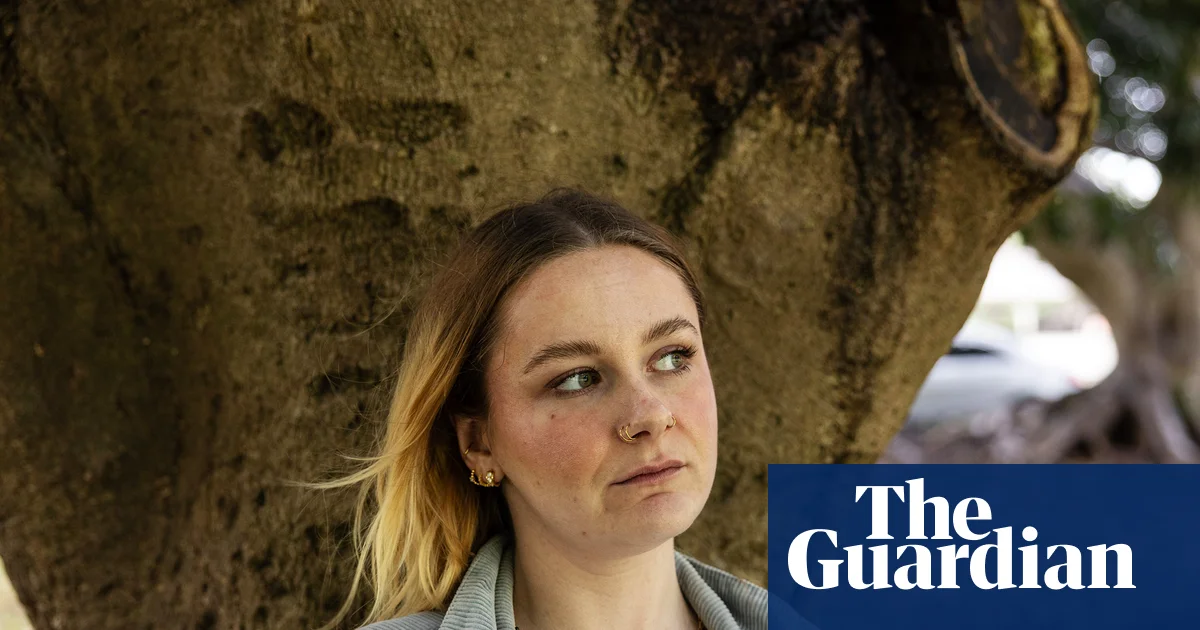
It took Shannon Stokes two years and 11 days to successfully prosecute her former boyfriend for sexual assault and domestic violence offences. The lengthy trial left her feeling as though "there wasn't going to be an end in sight". This was reported by Qazaqyia.kz citing The Guardian.
Prosecutors secured convictions on nine of the 11 charges, and he was later sentenced to five years in prison.
Stokes, 28, from New South Wales, said a "sense of doom" throughout the trial was compounded by a lack of appropriate legal assistance as she navigated the justice system, a world she said felt "so alien" to her.
She recalled receiving pamphlets in the lead-up to the trial that she said were "more or less about how to look presentable" in court.
"I also had a few pieces of paper handed to me on the day going into that courtroom, and that was what I had to kind of go off... it just makes you feel so isolated and like a number in the system rather than a person who has actually been victimised by violence."
Experts say Stokes' experience is common among sexual assault victim-survivors pursuing justice. Sarah Rosenberg, the executive director of the victim-led network With You We Can and an advocate for justice reform, has long called for greater support for victim-survivors navigating the legal system.
"They're expected to navigate a very isolating, very complex system entirely alone," she said. "They'd essentially have to become legal experts overnight just to figure out what is going on in a case that supposedly revolves around them."
Rosenberg said an adversarial justice system often further traumatises victim-survivors.
"That process of having the victim-survivor be a witness opens them up to a lot of re-traumatising during the process... There is nothing that mimics the dynamics of abuse more than being relegated to just a witness in the accountability process."
This week, the NSW government announced it would establish the Sexual Assault Survivors' Legal Service, operating through Legal Aid NSW.
The $1.74m expansion will provide free legal support for a range of sexual assault matters, including advice about the criminal process, survivors' rights during police investigations and prosecutions, and assistance with access to victims' compensation.
The pilot program is part of the state government's $6.2m strengthening sexual violence justice responses package announced last month, which is backed by federal funding.
Robyn Gilbert, a senior solicitor at Legal Aid NSW who will lead the service, said: "The point of the service is to bring some autonomy and choice back to survivors, to be better informed and have a clearer idea of their own rights and their role in the system." She said the service would be "open to all callers" across the state.
"Really, the only eligibility criteria is to have experienced a sexual assault," Gilbert said.
The NSW minister for the prevention of domestic violence and sexual assault, Jodie Harrison, said navigating the legal system could be overwhelming for many victim-survivors.
"Accessing the right support at the right time is an important part of ensuring they are treated with dignity and respect throughout the justice process," she said.
Ged Kearney, the federal assistant minister for the prevention of family violence, said: "I have heard from many victim-survivors of sexual violence that their experience seeking legal advice after an assault can be traumatic during what's already a very traumatic period."
Stokes said she experienced those challenges during her own trial, when questions were dismissed or repeated, and she was required to submit evidence for victims' compensation more than once.
The pilot program was a step towards addressing the trauma of navigating "a really hard legal system", she said.
"Having such a big time pass between my assault and going to court definitely affected me more mentally... I say it light-heartedly, but I think it actually traumatised me more than my actual assault did."