Japan has reduced the speed limit on residential roads from 60km/h to 30km/h. This was reported by Qazaqyia.kz citing The Guardian.
The new limit, which went into effect on Tuesday, applies to residential roads with no centre line or maximum speed signs, according to media reports.
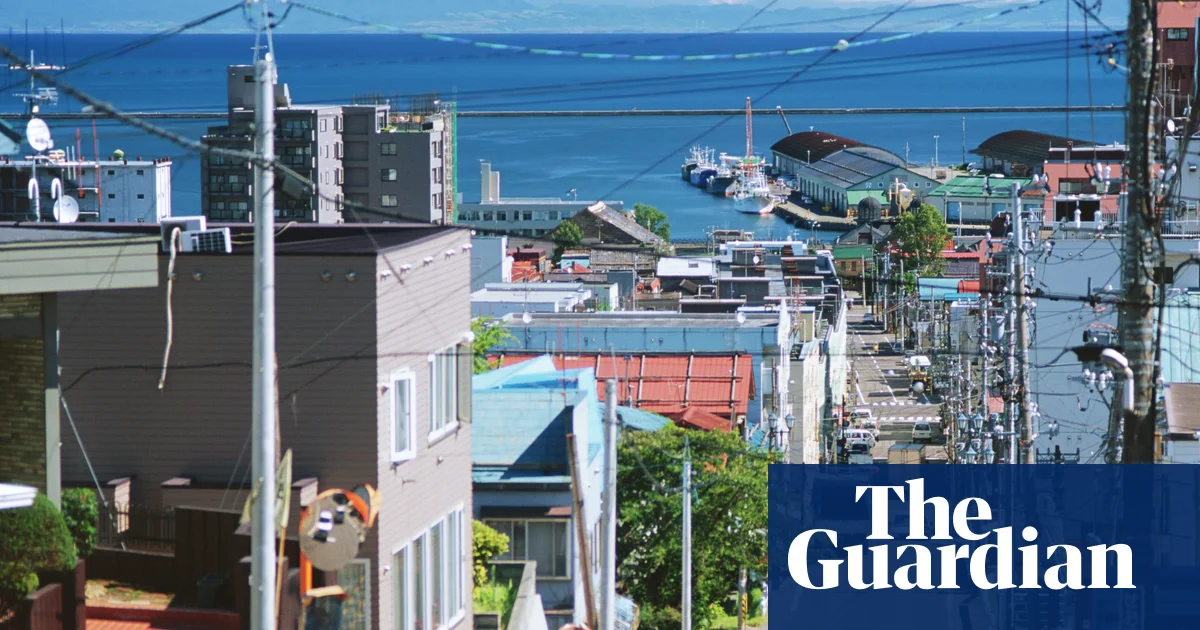
Narrow roads with no centre lines or pavements are a common sight in crowded Japanese cities, with data indicating that children and older people are at particular risk of being involved in a fatal or serious accident.
Scope of the measure
The measures apply to about 870,000km of roads that are less than 5.5 metres wide and do not have centre lines or median strips, according to the Mainichi Shimbun. They account for about 70% of the country’s general roads, the newspaper said.
Authorities hope the restrictions will address concerns that residential areas are not experiencing the same improvements in safety seen on larger roads.
Statistics and safety
While the overall number of deaths in traffic accidents is in decline – falling to a record low of 2,457 last year – those involving children and older people on residential roads has remained steady at about 300 a year since 2021, and rose for the first time in three years in 2025, according to the national police agency.
The introduction in 2011 of “zone 30” areas on a limited number of residential streets and along school routes resulted in a 30% reduction in fatalities and serious injuries, the Mainichi said.
Police agency data show that the mortality rate among pedestrians is less than 1% in accidents involving vehicles traveling at or below 30km/h, with the rate rising to 2.7% at speeds of 30-40km/h, and to 17.4% at 50-60km/h.
Police statement
“We ask drivers to recognise that they need to take particular care on roads shared by vehicles, pedestrians and cyclists,” the police agency’s commissioner general, Yoshinobu Kusunoki, told reporters this week.
The new rules are a significant step aimed at making narrow streets in crowded Japanese cities safer. These measures are expected to help protect pedestrians, especially children and the elderly.