India's commerce minister Piyush Goyal led the country's largest-ever business delegation to Japan last week to expand trade and investment ties. This was reported by Qazaqyia.kz citing BBC News.
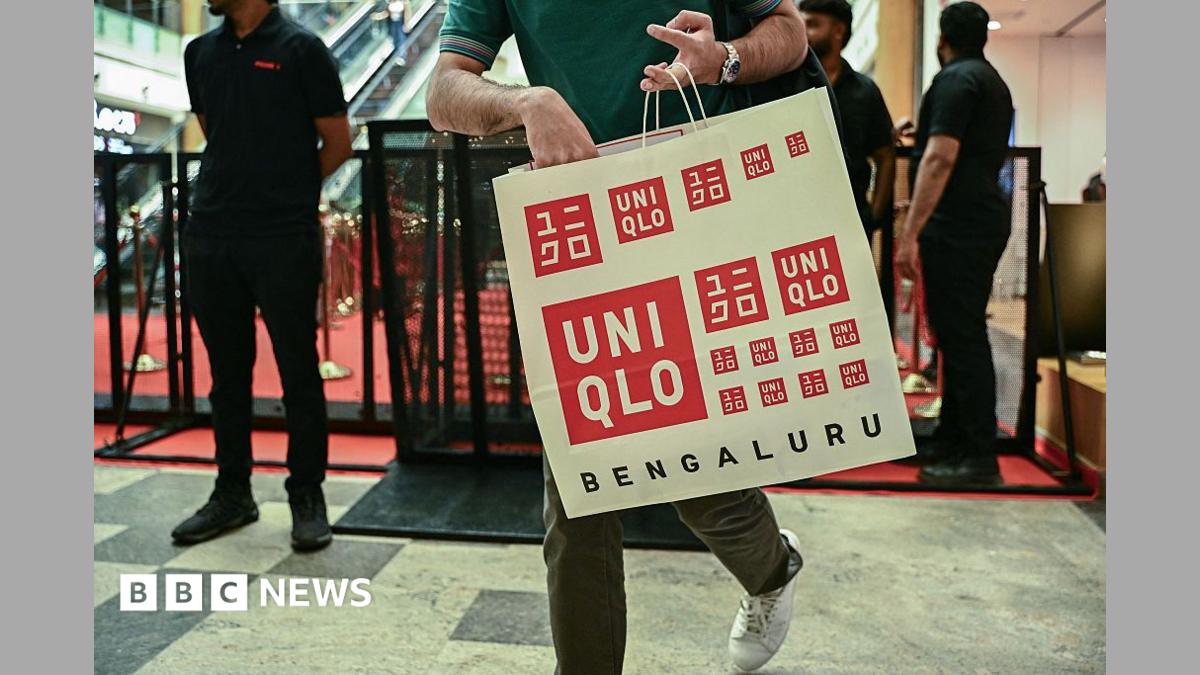
Japanese consumer brands are expanding rapidly in Mumbai, Delhi, and Bengaluru. Uniqlo, Muji, and Onitsuka Tiger are growing. Nitori, a Japanese furniture maker, recently entered the market, while Lawson plans to open 10,000 stores in India by 2050, starting with Mumbai.
Japanese banks are aggressively investing in Indian financial assets. MUFG Bank bought a 20% stake in Shriram Finance for $4.4 billion last year, the largest foreign investment in India's financial sector. Sumitomo Mitsui Banking Corporation (SMBC) became the largest shareholder in Yes Bank with a 24.22% stake.
According to a Deloitte report, over 100 Japanese firms operate global capability centres (GCCs) in India, performing functions like R&D, corporate strategy, and AI development.
Vipul Nath Jindal, founder of Next Bharat Ventures, told the BBC: "Japanese companies are having to look to India for growth. With the local population declining for the past 16-17 years there isn't just a slowdown in domestic demand, but a permanent shrinking of the market." Suzuki Motor Corporation recently announced a $200 million fund in India.
Japan's traditional markets are becoming less attractive. Investment in China has fallen sharply amid geopolitical tensions, the US market is challenging due to tariffs and competition, and Southeast Asian markets are limited.
Government-level economic ties strengthened after a trade liberalisation agreement about 15 years ago. Prime Minister Narendra Modi elevated the relationship to a "special strategic and global partnership" in 2014. The first bullet train between Mumbai and Ahmedabad uses Japanese Shinkansen technology.
In July, during Japanese PM Sanae Takaichi's first official visit to Delhi, Japanese companies announced $12.5 billion in investments through about 120 agreements in sectors from semiconductors to green energy. Goyal said Japan could prematurely meet its target of investing 10 trillion yen.
Hamamatsu City, where Suzuki, Honda, and Yamaha were founded, set up the Hamamatsu India Committee to explore expansion into India. Toshiro Nishizaewa of the University of Tokyo noted that rising interest in India reflects Japanese firms' autonomous market diversification strategies.
Shruti Pandalai, India Chair at the Lowy Institute, said: "Japanese firms aren't abandoning China en masse. What they are doing is reducing concentration risk after several years of supply chain disruptions and geopolitical tensions." India acts as a hedge against China-related risks, and the overlap between Tokyo's economic security priorities and Delhi's manufacturing ambitions strengthens the relationship.
For Delhi, which is starved of foreign investment, Japanese money comes at a crucial time. India's trade deficit with China is a concern, and closer Japan-India cooperation could reduce China's leverage in critical minerals and advanced manufacturing over the longer term.