It's a Friday night. A young woman trudges back to her apartment after a day of work. She enters a spotless kitchen, unloads a bag of groceries, and unwraps a frozen pizza before sliding it in the oven. What follows is a nightly routine that is almost meditative in its mundanity: she lights a candle and gazes briefly at the snow-covered landscape outside her window, piles a premade salad onto a plate with the pizza, and settles on her sofa to eat in front of the TV. The tagline that accompanies the scene reads: "POV you're a childfree and single girl that has no friends and lives alone so this is how you spend your Friday night." This was reported by Qazaqyia.kz citing BBC News.
This was reported by Qazaqyia.kz citing BBC News.
The video has amassed seven million views on TikTok. At the centre of the video is Lana Isa, a software sales manager in her 20s based in Toronto. She takes her almost 400,000 followers across TikTok and Instagram on late-night fast food drives, reading sessions perched on a rock by the lake, even a saga of getting locked out of her apartment in the middle of the night.
Isa is part of a growing, albeit niche corner of the internet where content creators, many of them women, share their daily rituals of living alone, choosing to spotlight a lifestyle that prioritises peace and solitude - the antithesis of social media excess.
For Isa, unveiling the "no friends" aspect of her life was less of a tagline, but the "reality" she had been living for several years. After switching several high schools, enduring Covid isolation during her college years and moving across the country following her first heartbreak, Isa found herself forced to adjust to living alone with no close friends.
"People don't talk about having no friends a lot... I think it's still what people would consider embarrassing or a little taboo," she says. When she started sharing the friendlessness of her circumstances on social media, an audience began to connect. Her initial following of around 2,000 followers on TikTok swelled to more than 175,000 in the span of eight months.
"It was eye-opening to see other people who are living the same situation that I've been… and to feel like I could kind of relate to people for the first time in a while." Isa's comments section filled with people bonding over similar experiences of living alone or having no friends, and finding comfort in "feeling seen".
As with most trends online, curiosity quickly turned to backlash. Isa and similar creators were dubbed "loneliness influencers", with some framing them as part of a new demographic of sad, lonely, childless women in crisis. Others accused them of romanticising self isolation and encouraging an "air of cosy defeatism" by shunning social connections.
But their reels paint a lifestyle that may be more relatable than many would care to admit. These women take themselves on solo dates, embark on spontaneous road trips, and even push through the awkwardness of attending parties alone.
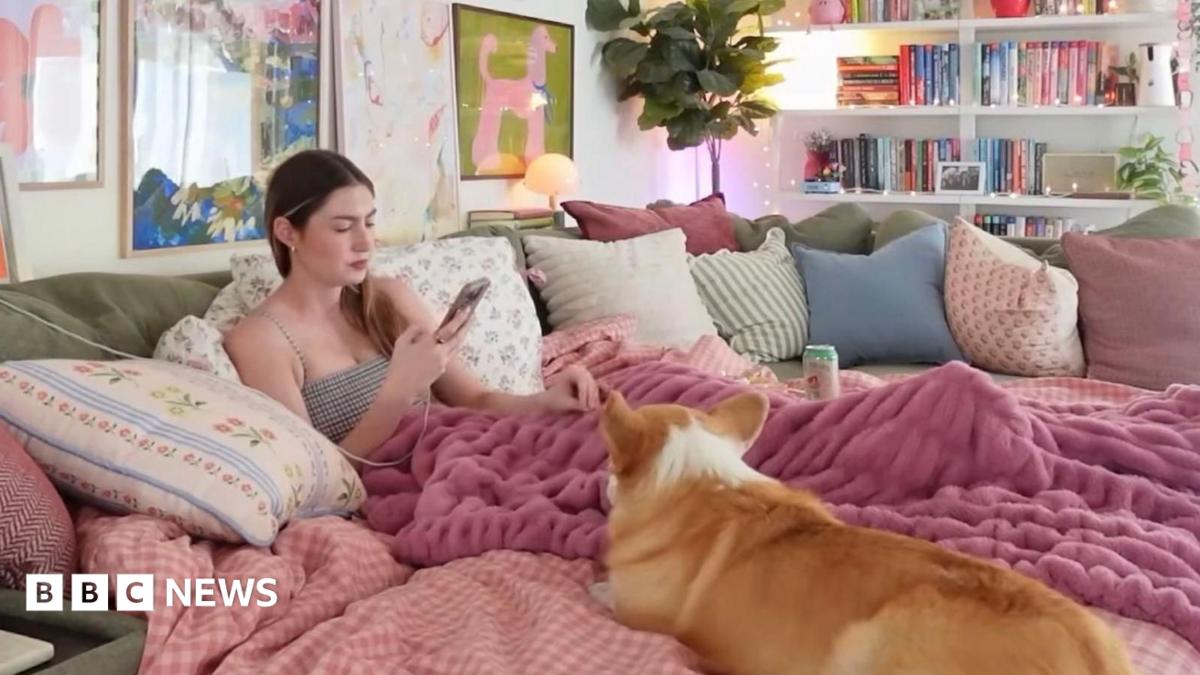
For Devon Noehring, a full-time content creator and self-proclaimed introvert based in Phoenix, Arizona, it's been "frustrating" to see her solo weekends cooking and lounging at home with her dog reduced to a symptom of female loneliness. "It's the exact opposite intention of our videos," she says. "I just hate the stigma of alone equalling lonely."
While Noehring does have a close group of friends, growing up she always felt "ashamed" of being the quiet girl with social anxiety. It wasn't until she confessed her insecurities online that she discovered a following of fellow introverts who identified with her struggles.
"Being alone is where I feel my most free and most like myself," she says. "That's how I recharge, and I feel very proud of myself for being independent and doing things alone… I think it's something that should be celebrated."
Some health researchers have been working to "destigmatise loneliness" by differentiating between chronic loneliness forced by circumstance and those who have agency to choose to live and spend time alone.
"Everybody's lonely at some point, but some people are not OK admitting that," says Professor Melody Ding, an epidemiologist researching social connection and loneliness at the University of Sydney. "That can create this false expectation that you have to be socially happy and connected all the time."
But she cautions that while influencers can make being alone look "really appealing", humans still need social connection and it can be detrimental to one's mental and physical wellbeing to be stuck in a cycle of intense isolation.
"We're a social species," says Ding. "We survive better with companionship, with people around us." She acknowledges that people's social needs vary at different stages of life, but Ding's hope for those who have lost relationships is that they can eventually "de-emphasise" the friendless aspect of their lives and forge new social bonds.
"It's important we have people in our life and it's important these relationships are positive and nourish our lives," Ding adds.