Extreme heat may be far more dangerous for global rice production than previously thought. This conclusion was reached by German scientists who analyzed hundreds of field observations. This was reported by Qazaqyia.kz citing Kursiv Media.
The study showed that existing models underestimate the impact of high temperatures on rice yields. The work was conducted by specialists from the Helmholtz Centre for Environmental Research together with the Potsdam Institute for Climate Impact Research.
The researchers analyzed 214 field experiments with artificial temperature increases and compared the results with forecasts from seven agricultural models. It turned out that when the average temperature rises by just 1 °C, actual crop losses reach 8.1%, while most models predicted only 3.8%.
Rice becomes especially vulnerable during the period of panicle and grain formation. According to the study, in more than 70% of the studied plots, extreme heat was the cause of more than half of all crop losses. The most dangerous temperatures were above 30°C.
The authors believe that modern models do not sufficiently account for plant damage during severe heat. This means that the consequences of climate change for one of the most important food products could be much more serious than previously assumed.
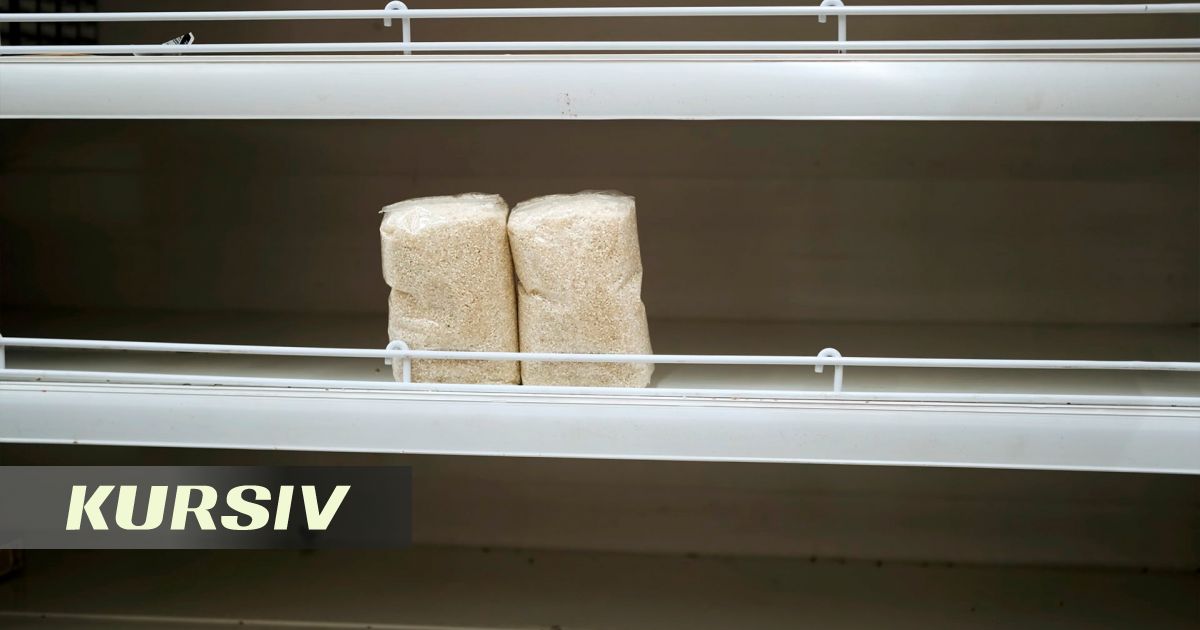
Rice remains a staple food for more than half of the world's population, so a decline in yields could affect not only prices but also the food security of many countries.
This topic is also relevant for Kazakhstan. Recently, journalist and blogger Lukpan Akhmedyarov visited rice farms in the south of the country and talked with local farmers. They also spoke about how heat and water shortages affect the harvest and explained why growing rice is becoming increasingly difficult.
Earlier, Kursiv reported that in the first quarter of 2026, Kazakhstani people began to eat more meat, milk and eggs, but reduced consumption of fruits, nuts and sugar.