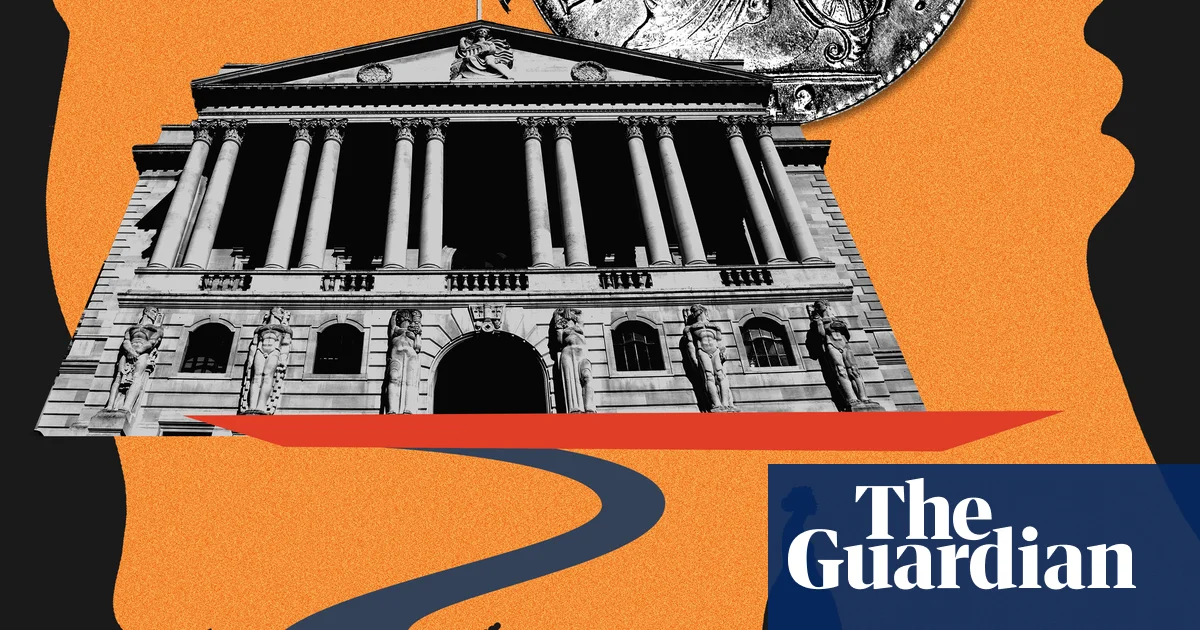
The scale of the financial system's involvement in enslavement is greater than previously known or acknowledged. This was reported by Qazaqyia.kz citing The Guardian.
Research findings
According to new research, dozens of Bank of England directors and founding subscribers invested in the trafficking of enslaved Africans. These findings significantly expand previous understanding of the financial system's involvement in slavery.
According to the authors of the research, the scale of the financial system's involvement in enslavement is greater than previously known or acknowledged. This situation raises important questions about the historical foundations of Britain's financial system.
Historical context
The Bank of England is one of the oldest central banks in the world. It was founded in 1694. The research findings show that among the bank's first directors and subscribers were people involved in the trafficking of enslaved Africans.
These data allow for a new perspective on the history of British financial institutions. The research shows how wealth derived from the slave trade was embedded in Britain's financial system.
Significance
The research findings may revive discussions about historical justice and the past of financial institutions. The issue of the influence of slave-trade wealth on the financial system is widely debated in British society.
The authors of the research emphasize the need for full acknowledgment of the financial system's involvement in enslavement. The disclosure of these historical facts may change how modern financial institutions view their own history.