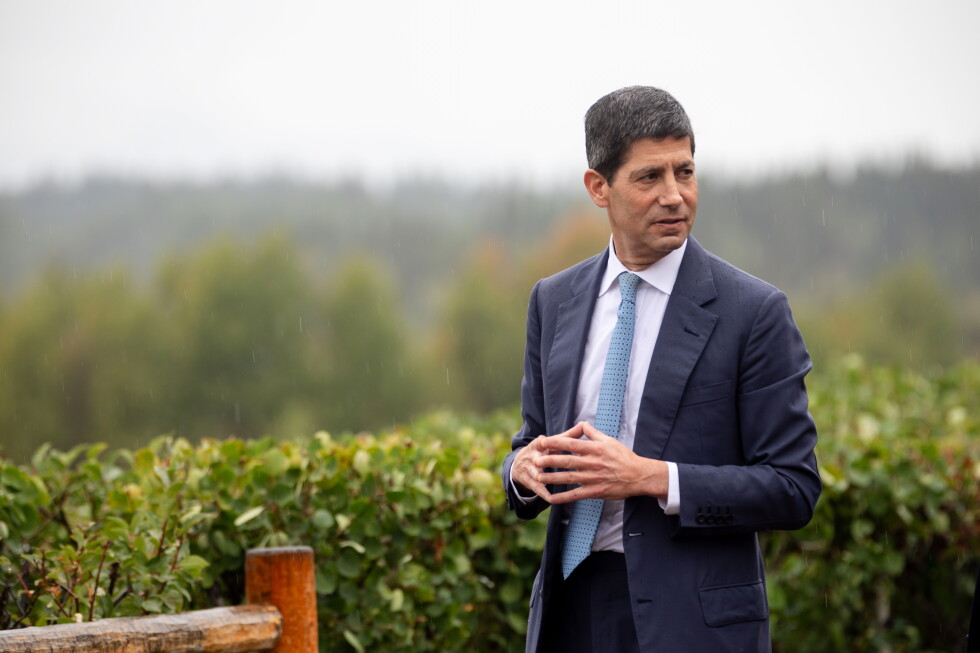
Federal Reserve Chair Kevin Warsh renewed his inflation-fighting credentials in a speech Friday that opened the door to potential rate hikes in the coming months. This was reported by Qazaqyia.kz citing Associated Press.
In doing so, Warsh has put more pressure on the central bank to increase interest rates when it next meets in mid-September if inflation doesn't improve. The government's next price report, to be released just days before the meeting, could play an outsize role in determining whether the central bank acts.
Warsh's high-profile speech at the Fed's annual Jackson Hole economic conference was mostly praised afterward by economists and other Fed policymakers in attendance. Still, there was also some pushback and criticism during the first day of the conference. It ends Saturday.
Here are five takeaways from the conference so far:
While Warsh opened the door to raising borrowing costs, he did not commit to any particular timing. It's not surprising given his aversion to the signals his predecessors sent about their next moves, which Warsh felt boxed the Fed in to a preset path.
Some analysts, however, saw strong hints that a rate increase in September is a real possibility. Warsh noted that he and other Fed officials who supported keeping rates unchanged at their July 28-29 meeting "thought the wiser course was to await new information in the intermeeting period ... before deciding whether a change in interest rate policy was advisable."
That suggests that Warsh wanted to see clear evidence of cooling inflation after the July meeting to remain on hold. Yet elsewhere in his remarks he said that such evidence hasn't emerged — even as gas prices have come down somewhat, underlying inflation hasn't "meaningfully improved."
By sending such signals, Warsh has raised expectations for a hike next month, which could erode his credibility if inflation stays high and he doesn't follow through.
"You are basically setting yourself up so that if you don't hike in September, people may ask what's going on," said Adam Posen, president of the Peterson Institute for International Economics.
When the Fed raises its benchmark interest rate, it often over time can also boost interest rates for mortgages, credit cards and other consumer and business loans.