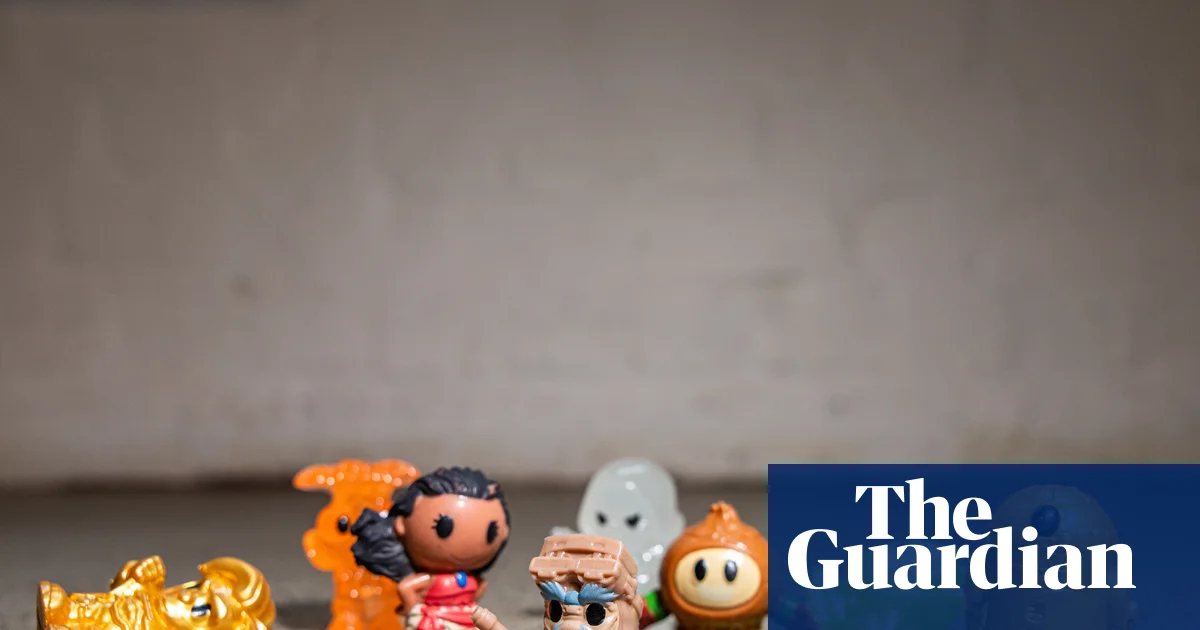
Woolworths' latest Disney "Ooshie" collectibles have not only captivated Australian children, they have led to a short-term slump in competitor Coles' sales. This was reported by Qazaqyia.kz citing The Guardian.
The latest rubber figurine promotion was scheduled to end on Tuesday, but strong customer interest meant Woolworths prematurely ran out of Ooshies a week ago.
Coles on Tuesday released its full-year results, showing it had grown supermarket sales and gained market share against Woolworths in the 12 months to June. Growth continued into July but then slumped amid a "competitor's collectables campaign", Coles announced.
That was a reference to Woolworths' recent Ooshies promotion of Disney, Marvel and Star Wars characters that could be collected after a customer spent $30.
The Coles chief executive, Leah Weckert, said the moderation in sales was a "temporary impact" lasting nearly four weeks. It mostly affected bricks-and-mortar shops rather than online shopping.
RBC Capital Markets analyst Michael Toner said the impact of the Woolworths campaign could scare Coles investors.
Ooshies, designed to fit on to the top of pens or pencils, come in generic packaging. It's not clear what figure you've received until the pack is ripped open, mostly by keen children who then trade the Ooshies at home or school in an attempt to collect all 40 characters.
Schoolchildren also stage Ooshie battles where they flick the characters to try to knock down competitors' figures.
Woolworths has hosted dedicated swap meets across the country in recent weeks to help customers complete their collections.
Adult customers have turned to online marketplaces to trade Ooshies. A dedicated Facebook Ooshie swap group added almost 2,500 members in the past week and now has more than 45,000 members.
The 2019 Ooshies craze culminated in two farmers destroying a rare lion Ooshie live on TV in a protest against online bullying.
Prof Gary Mortimer, a consumer behaviour expert at the Queensland University of Technology, said Ooshies could help children build social skills – similar to when youngsters traded marbles last century.
"Those games taught us the art of competing, fair-play, learning to deal with disappointment and celebrating wins," Mortimer wrote on LinkedIn. "Swaps taught us 'friendly' negotiation skills, compromise and the principles of value exchanges."
But some schools have moved to shut down trading. A Queensland independent school, Bellevue Park state school, posted on Facebook that it had banned Ooshies due to "distractions, conflict and unfair trading".
"We need your support to make sure these items remain safe at home and are not brought to school where they can become lost, damaged or stolen," it wrote in a Facebook post.
One Sydney after-school care centre said it was no longer allowing the toys because there had been "disputes around trading and ownership, and situations where children have become upset or distressed".
The bans are a badge of honour for Alan Ngov, the chief commercial officer at Headstart International, the company that developed Ooshies.
"You know it was a good one when you get banned from the school yard! What an amazing campaign from the Woolworths, Disney and Headstart teams!" he wrote on LinkedIn.
Nearly two-thirds of parents surveyed by polling company YouGov said they changed their shopping behaviour due to the Ooshies promotion, including shopping at Woolworths more often.
One in five adult Ooshies collectors planned to sell the products online, YouGov's survey released this week found. Millennials were most keen on collecting them, while baby boomers were interested in passing them on to loved ones.
Fumin Rianto, a research director at YouGov Australia, said the products had struck a chord and developed a genuine online resale economy. But "there's a real conversation to be had about where all these tiny plastic collectibles end up once the craze fades," Rianto said.
Environmental groups are concerned about the volume of plastic that will eventually end up in landfill. Kirsten Junor, the chief executive of not-for-profit Reverse Garbage, said the carbon emissions used to make and transport Ooshies outweighed any benefit.
"It's just future landfill," she said in a video posted on social media earlier this month.