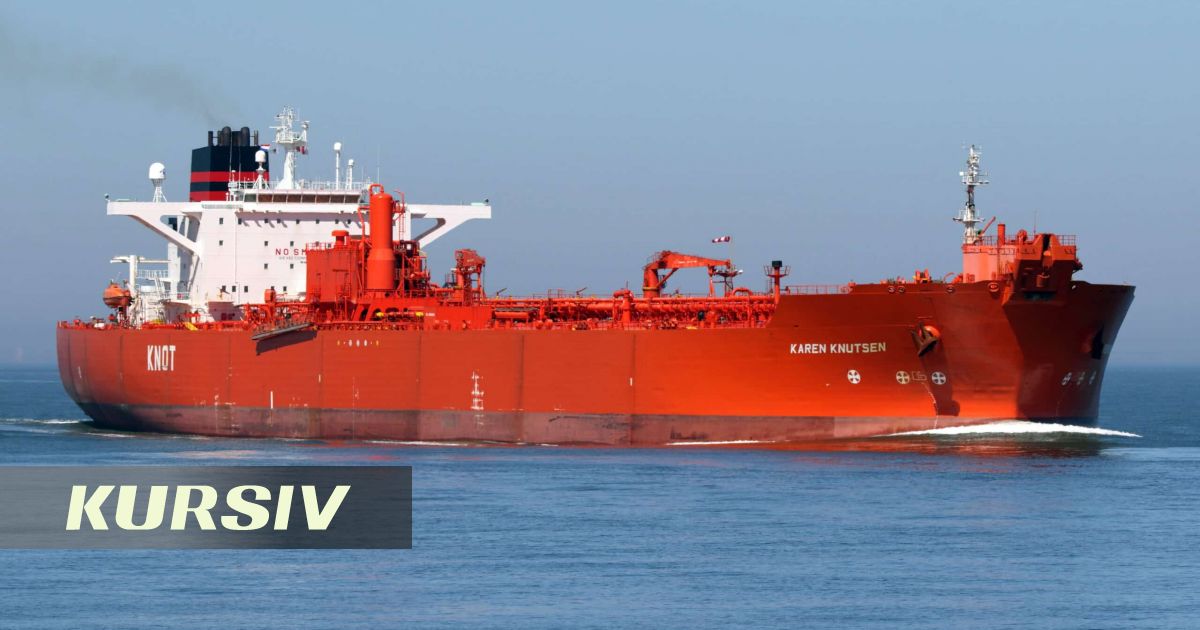
Ukraine has committed not to strike the infrastructure of the Caspian Pipeline Consortium (CPC) and tankers heading to its terminal in the Black Sea, if they are not linked to Russia, are not under Ukrainian sanctions, and do not carry Russian oil. This was reported by Qazaqyia.kz citing Kursiv Media.
According to Bloomberg, Kyiv made these commitments after talks with US officials. The agency cites an American official.
Meanwhile, The Wall Street Journal also reported that the administration of US President Donald Trump warned Ukraine against strikes on vessels and oil infrastructure of third countries in the Black Sea.
The issue of potential damage from such attacks was raised by representatives of the American company Chevron at the White House. The company owns 15% in CPC and is interested in protecting the consortium's infrastructure.
History of attacks on CPC
CPC has repeatedly been the target of attacks recently. In February 2025, seven drones struck the largest oil pumping station "Kropotkinskaya". After that, oil pumping through the system decreased by 30–40%.
In autumn, one of the mooring devices of the marine terminal was damaged. A new wave of attacks occurred in July 2026: tankers Nordic Zenith, ASIA, NISSOS IOS, and NELSA, carrying Kazakh oil, were damaged. As a result, CPC had to temporarily stop receiving and shipping oil.
Kazakhstan's response
Earlier, the Ministry of Energy of Kazakhstan reported that CPC had resumed receiving oil after a temporary halt of the pipeline.
The day before, the head of the National Bank, Timur Suleimenov, stated that the regulator does not expect sharp fluctuations in the tenge exchange rate due to the temporary halt of oil exports via CPC. At the same time, the National Bank is ready to take measures if non-market fluctuations are observed.
Meanwhile, energy and investment expert Olzhas Baidildinov calculated that due to attacks on CPC, Kazakhstan could have lost more than $700 million in July.