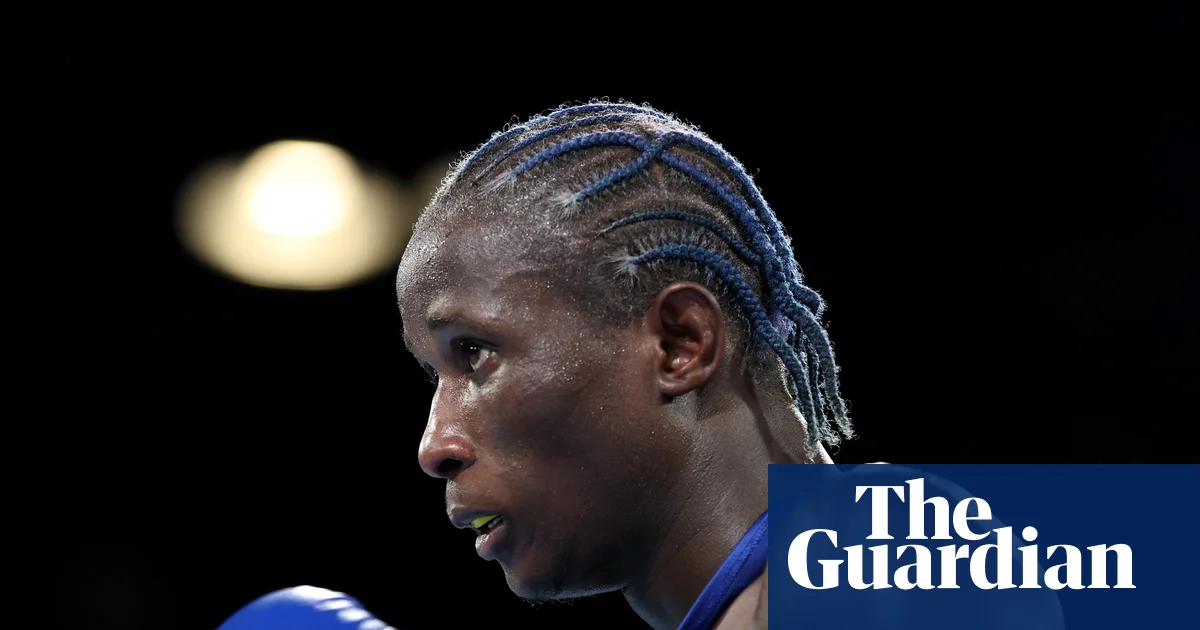
Four Ugandan boxers, including the team captain, have gone missing after the Commonwealth Games in Glasgow. This was reported by Qazaqyia.kz citing The Guardian.
Only two of the six boxers on the Ugandan team returned home. Ibrahim Kemis, Emily Nakalema, Angel Katushabe, and captain Nuhu Batte are missing. One of them reportedly told the Ugandan news site NBS Sport they intended to claim asylum in the UK, where training facilities are better. However, the team manager, Godwin Kayangwe, told the BBC he had "absolutely no idea" what basis they would have for an asylum claim. "It's nothing political, it's nothing to do with gender or something [like that] – I have absolutely no idea why they would be doing that," he said. Their phones were turned off, against team rules, and then they vanished.
The Guardian understands the four were initially taken in by a boxing gym in Glasgow but are no longer in Scotland. The gym owner did not respond to queries. Kayangwe hoped they would make the "right decision" and return to Uganda.
Pakistani boxer Qudratullah also went missing, not joining his teammates on the flight home. The events have sparked gossip in the boxing world, with rumors that the Ugandans paid a Scottish coach to help them disappear. One unnamed man involved in boxing said he believed there was "something very, very suspicious going on."
Police Scotland said it had received reports of athletes not returning home and was working with the Home Office. A Glasgow 2026 spokesperson said organizers were working closely with authorities, including Police Scotland, Border Force, and UK Visas & Immigration, to ensure the safe participation of 3,000 athletes from 74 nations.
This is not the first time athletes have disappeared after tournaments in the UK. The Home Office carries out enhanced checks on participants before big sporting events due to how prevalent it is. An estimated 27 people did not leave after the Manchester Commonwealth Games in 2002, 66 after Glasgow 2014, and 17 after Birmingham in 2022. After the 2012 Olympics in London, several athletes chose to stay. Tribunal decisions show a number of people, including athletes from Cameroon and Sudan, and the Ethiopian Olympic flag bearer, attempted to claim asylum.
The stories go back decades. More than 600 former East German athletes defected before the fall of the Berlin Wall, some exposing compulsory doping.
Boxing commentator and author Pete Carvill said there were many examples of boxers not returning home because of the possibility of a more lucrative career elsewhere. "Most of the guys who do defect don't make the best of the opportunity," he said. "They leave behind the discipline of their amateur programmes and usually end up with lifestyle issues." They often put on weight, start drinking and partying, stop training, and many get taken advantage of, signing contracts they don't understand.
There are examples of athletes who stayed in the UK facing legal trouble. Last year, Philip Pariyo, a Ugandan rugby player who claimed asylum after the 2014 Games, was imprisoned for raping a woman in Cardiff. Pakistani boxer Nazeer Ullah Khan was convicted of harassing a woman he met while working in a kebab shop after failing to return home after the 2022 Games.
However, there are far more success stories. Many athletes have made a life in the UK and had families, and some still compete. Eritrean-born Weynay Ghebresilasie was the fastest Scottish man at the London Marathon this year, having claimed asylum and settled in Glasgow after the 2012 Olympics. Cyrille Tchatchet, a Cameroonian-born weightlifter, won a silver medal for Team GB at the Commonwealth Games last week, 12 years after he refused to go back to his home country. He disappeared after the 2014 Games, sleeping rough and eventually being granted refugee status in 2016. He told the BBC: "I remember talking to [my mum] when I left the Commonwealth village. I told her I didn't have a place to go and she was very concerned."