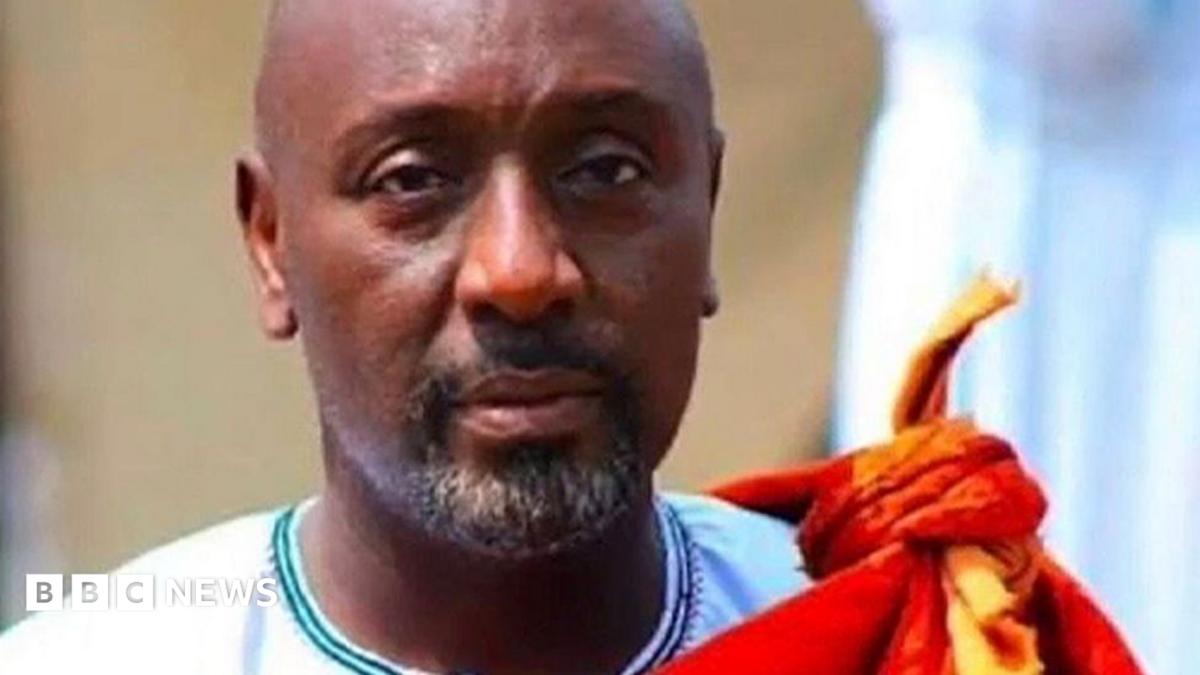
Journalist Edward Rukidi Kijanangoma Nyabongo II is set to be crowned king of Uganda's Tooro kingdom amid a bitter succession dispute. This was reported by Qazaqyia.kz citing BBC News.
Kijanangoma, 56, has long been a familiar face in Uganda, known not as the heir to the throne but as a storyteller and a long-serving anchor and editor at the state broadcaster. Now he has become the subject of media attention himself.
Tooro is one of Uganda's four main officially recognised historical kingdoms. For the last 31 years, it has been headed by King Oyo Nyimba Kabamba Iguru Rukidi IV, who was once known as a "boy king" after ascending to the throne as an infant. Oyo became king in 1995 at the age of just three, following the death of his father. Then the world's youngest monarch, he ruled until he died last month from cancer, aged just 34.
The coronation is a day for celebration, involving traditional practices starting from midnight. The new king then walks about 4km (2.5 miles) to the official Karuziika royal palace where he is crowned. A mock fight follows, to signify that kingship does not come easy, and he is then blessed by members of the royal Babiito clan, the Tooro kingdom's Information Minister Charles Mwanguhya told the BBC Focus on Africa podcast.
But the selection of Kijanangoma as king was far from straightforward. According to tradition, a recognised son of the late king should succeed him. Close members of the royal family said Oyo had left a young son and a will with instructions that the child should be next on the throne. But the son has never been revealed to the public and nor was he recognised by the committee of 21 Babiito clan members who choose the king and eventually selected Kijanangoma.
The late King Oyo was never publicly married, and little is known about his wife or their son. Nonetheless his mother, Queen Best Kemigisa, argued that the late king's will ought to have been respected. However, the royal succession committee ignored her wishes, insisting their selection process was conducted in accordance with Tooro customs and traditions.
The new king has thus found himself at the centre of a succession dispute, with Kemigisa and her close relatives unhappy with the outcome. Kemigisa referred to Kijanangoma's selection as the "announcement of a second king" being "made after the will of King Oyo was read to members of the royal family". "As a mother, that was extraordinarily painful," she said, describing celebrations for the next king taking place "only metres from where my son's body lay".
The queen later said Oyo's son, who was in the US state of Texas, had been due to return home but that could not happen amid a "tense and polarised succession dispute". "No child should be placed in circumstances where returning to his father's homeland could mean being drawn into hostility and conflict," Kemigisa asserted in a post on X.
But according to the Tooro kingdom's information minister, the son being talked about "hasn't been presented anywhere, which means there is a growing acceptance that sad as it may be, King Oyo didn't leave a son behind". While King Oyo inherited the crown from his father, Mwanguhya told the BBC "the crown has moved to a different line within the ruling clan".
A king must come from the Babiito clan, specifically the lineage of King George David Matthew Kamurasi Rukidi III, according to royal palace sources. Kijanangoma and the late King Oyo are cousins. Both are grandsons of Rukidi III, the 11th king, or Omukama, who ruled the Tooro kingdom from 1928 to 1965.
Kijanangoma was among several people who were considered for the role, including Prince George Desmond Kamurasi, who plays football for one of the UK's best-known amateur clubs. According to the succession committee, the South East Dons captain and goalkeeper declined the offer of the throne, citing other responsibilities.
After he was formally announced, Kijanangoma promised that the palace would be open to the people, while vowing to focus on unity and development. "I ask you for one thing - they have given me this title as king but I cannot work alone, I have to work with you," he said.
Uganda's traditional kings have no formal political authority, but they retain cultural influence and command significant loyalty in the communities they lead.