Nationalist parties in power in Wales, Scotland and Northern Ireland have signed a memorandum of understanding calling on Westminster "to prepare, plan and facilitate constitutional change". This was reported by Qazaqyia.kz citing The Guardian.
The Cardiff meeting
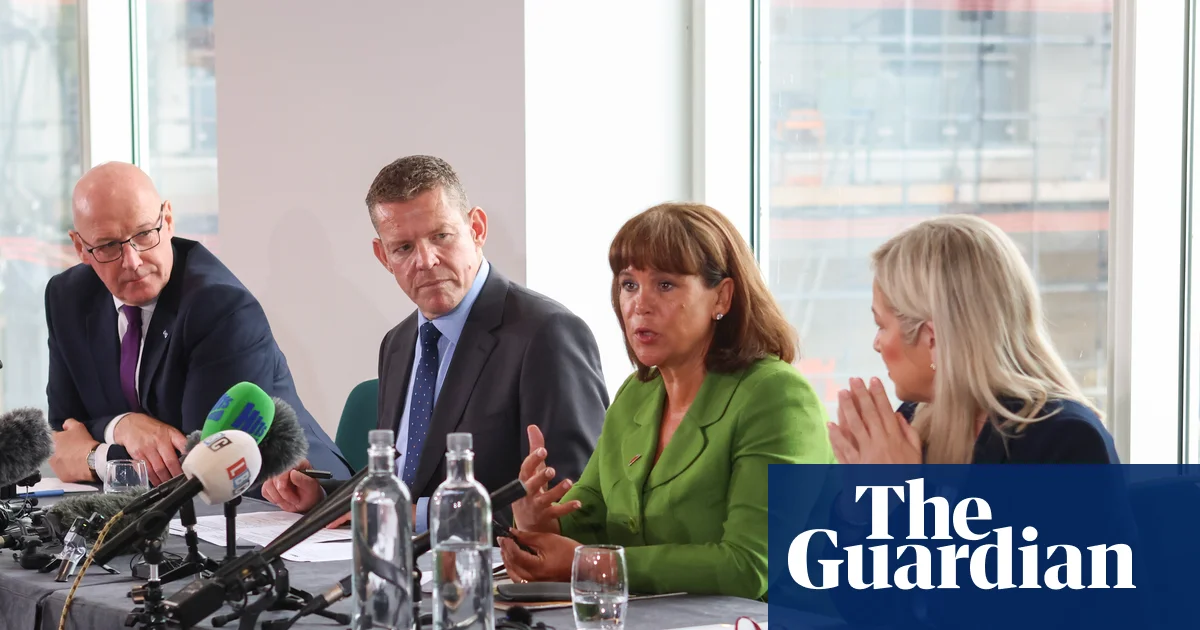
In Cardiff, Plaid Cymru leader Rhun ap Iorwerth, Scottish National party leader John Swinney and Sinn Féin vice-president Michelle O'Neill (who shares power with the Democratic Unionist party) affirmed their countries' right to seek independence from the UK. Along with the leader of the opposition in Ireland, Mary Lou McDonald, they signed a memorandum of understanding that called on Westminster "to prepare, plan and facilitate constitutional change in Wales, Scotland and Northern Ireland". They also posed for a fair number of group photos.
Different referendum timelines
With each of the sister parties having a different timeline towards a referendum and its own domestic pressures, it's tempting to dismiss this as spectacle over substance. However, these first ministers are not shouting into a vacuum. They are part of a cross-national conversation in which devolution is the defining project of the UK's still newish prime minister.
View from Wales
The Guardian's Wales correspondent, Bethan McKernan, in Cardiff, said the agreement is more than a photocall. She noted: "There is this sense that since Plaid Cymru won the Senedd elections in Wales in May, this is a new chapter in the Celtic struggle for independence – or breaking up the UK, depending on which way you look at it."
It was an acknowledgment of this momentum that the meeting was held in Cardiff, where Plaid Cymru recently ended a century of Labour control of the Senedd.
What the memorandum says
The memorandum signed by all four stated that no Westminster government has the right to "block democracy" by refusing a referendum should the public demand it.
At the morning press conference Swinney and O'Neill called for immediate referendums in Scotland and Northern Ireland; ap Iorwerth declined to give a timetable.
Later that afternoon, the Scottish and Welsh first ministers signed the Cardiff Agreement, setting out shared priorities like child poverty and economic growth, and which Swinney described as "an important moment in the history of devolution".
Political backdrop
Events in Cardiff were gifted extra salience by a series of unscripted interventions over the past week. On a visit to Ireland last weekend, Donald Trump told reporters that he would "love" to see a united Ireland and it "may as well happen now", prompting swift rebuttal from unionists on the Stormont executive and the UK government, as well as a solid gold response from SDLP leader Claire Hanna, who said: "It turns out that he isn't as orange as he looks".
Only weeks prior, Andy Burnham incensed Irish nationalists by declaring a reunification referendum was "off the table" – forgetting that it's not his table, because the Good Friday agreement includes a provision for a border poll should it appear that the majority of Northern Irish voters want to leave the UK.
In a constitutional one-two, Burnham said last week at PMQs that a second referendum on Scottish independence could be held if a "clear consensus" emerged in favour - but swiftly self-corrected, telling an eager Swinney that such a vote was "off-limits" while he focuses on growing the economy and tackling the cost of living.
Pressure on Westminster
The agreement comes as pressure grows on Westminster over the UK's future. Back in May, the shape of British politics shifted dramatically: since 7 May, centre-left nationalist parties that ultimately aspire to leave the UK have been in government for the first time simultaneously in Scotland, Wales and Northern Ireland.
This week sees the initial codification of that shift.