Paramount Skydance has finally completed its $110bn (£82.8bn) merger with Warner Bros Discovery. This was reported by Qazaqyia.kz citing BBC News.
The deal welds two legacy Hollywood powerhouses, uniting franchises like Harry Potter and Game of Thrones, into an entertainment behemoth named Skydance. Yet behind this milestone lies strict rules about what the combined business can and cannot do - from how many films it must produce a year to the editorial independence of its newsroom.
Here are four ways this could affect you and the movies, TV and news you watch.
Streaming prices
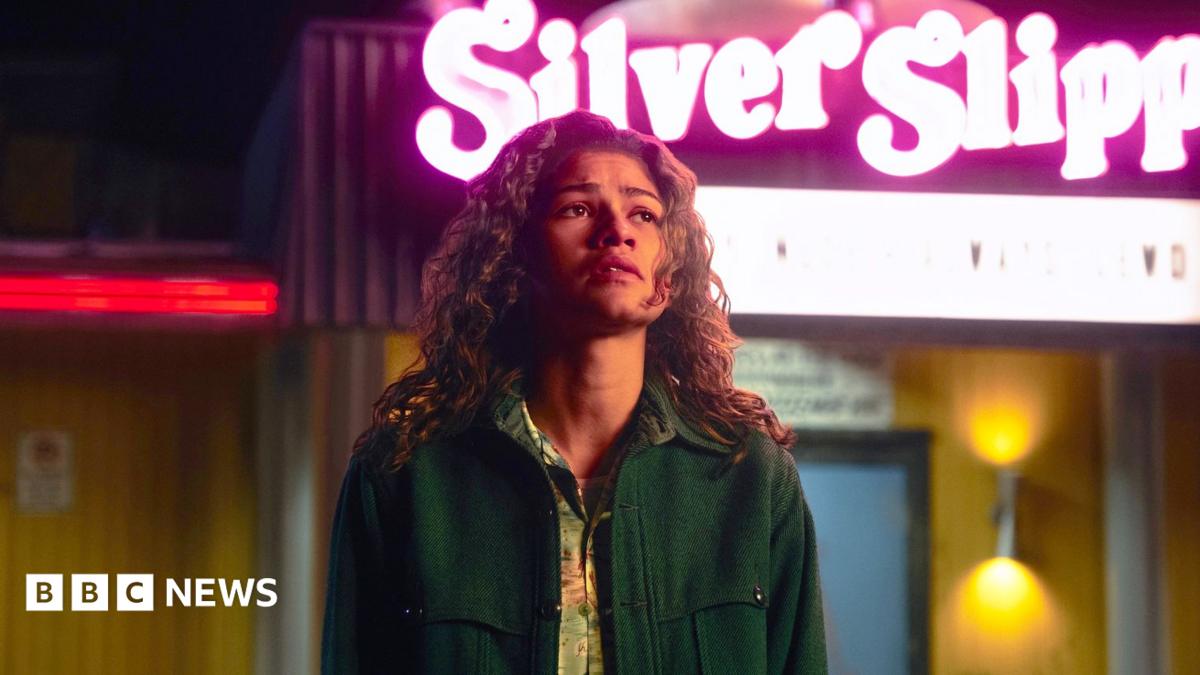
Warner Bros owns HBO Max, home to The Sopranos, House of the Dragon and Euphoria among others. Meanwhile, Paramount Skydance has Paramount+, which streams the likes of Yellowstone, Parks and Recreation and NCIS.
Combining HBO Max and Paramount+ into a single platform or bundle will likely squeeze subscribers' wallets over time. While existing subscribers to both might enjoy short-term savings, analysts expect overall prices to rise as the combined giant seeks profitability.
The merged company, Skydance, carries a massive $80bn in debt from the deal, even as executives target $6bn in annual cost savings. Analysts warn that consumers will ultimately bear the financial burden of the $110bn deal.
Mike Proulx, research director at Forrester, noted that with streaming services constantly raising fees to increase profitability and Skydance saddled with massive debt, price increases are likely to come. While viewers will gain access to a broader catalog, as Skydance shifts toward a Paramount+ and HBO Max bundle rather than a single app, Proulx warns that "it's far-fetched to think it'll prevent downstream price hikes".
Film quotas
As part of a settlement deal with US states who had objected to the merger, Paramount Skydance has agreed to release a set number of films every year for the next five years. For the first two years, that's 30 movies annually, and for the remaining period it has to release 32 films each year. That's 156 movies in total - and the majority have to be "wide releases," meaning they must be shown in cinemas. The merged studio must also release at least four independent films each year.
If Skydance misses its movie quota, it could be forced to sell its 49% stake in Miramax – the studio co-founded by disgraced Hollywood mogul Harvey Weinstein.
Breanne Gilliam, a corporate lawyer at Maddin Hauser, said the film commitment is meaningful, even if it comes with an expiration date. "Once those obligations expire, the company will have far more flexibility," she said. "Temporary rules cannot permanently fix a structural market shift".
Once the five-year deal ends, Skydance could follow rivals like Disney and Netflix by prioritizing streaming over cinema. As Disney's $71bn buyout of 21st Century Fox in 2019 proved, mega-deals can lead to fewer films in cinemas. Before the acquisition, 20th Century Fox routinely released 12 to 17 movies annually in theatres, but under Disney that slate scaled down to just three to six a year.
Industry workers
For those working behind the scenes, the merger of two historic studios has been described as a "disaster" by those on the ground. Actors and writers recently gathered at Paramount Studios in Los Angeles to oppose the deal, accusing regulators of failing to protect industry livelihoods. Criminal Minds star Kirsten Vangsness told the BBC she was "heartbroken".