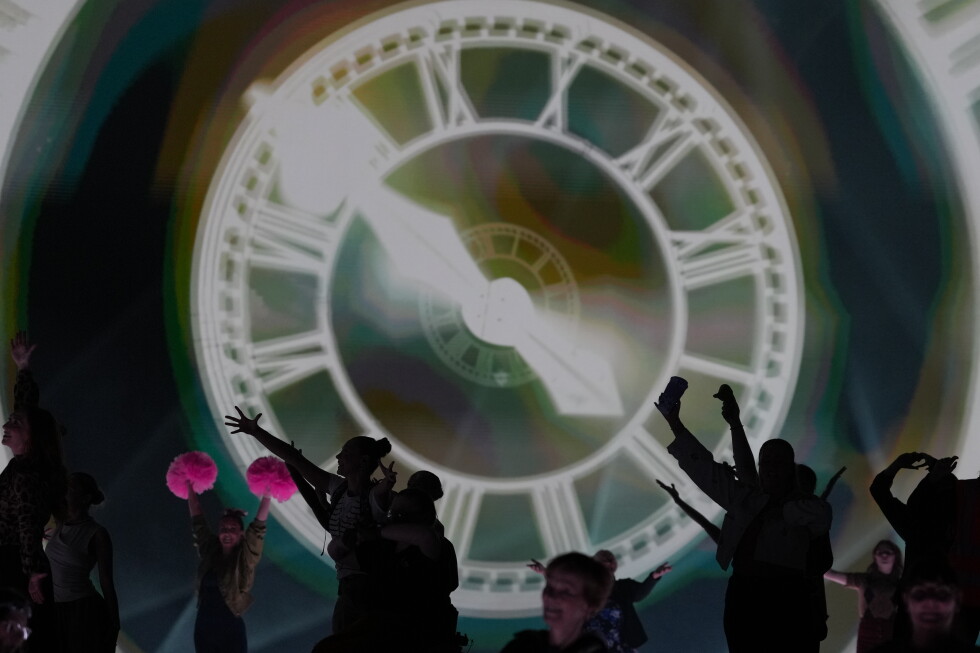
It flies. It heals all wounds. It can be of the essence, and it can be money. We thrill in the best of it, lament the worst. We're warned not to waste it, since we can't turn it back — even as we try to make up for when it's lost. This was reported by Qazaqyia.kz citing Associated Press.
And probably more than anything when it comes to time, most of us try to manage it — in our everyday lives and on a global scale, from the biology of our circadian rhythms to what constitutes a work day. Clocks. Calendars. Pendulums. Hourglasses. Sundials. Time zones.
For something that's been a pretty universal impulse to mark the shift of light and dark, the movement of the stars and the rhythms of the tides, the cycles of summer heat and winter cold, one might assume there's been a universal way of measuring time. That assumption would be wrong.
Take the shifting of the clock twice a year in most of the United States, once forward and then back again, a system that "moves" the time to let people enjoy daylight hours later into the evening.
While people love the light, a lot of them loathe having to make the change. So much so that the House of Representatives last month overwhelmingly passed legislation calling for the shift to become permanent year-round. Its prospects for passage in the Senate aren't high, and when the country tried it in the 1970s it was wildly unpopular and short-lived. But it continues to be brought up, an indication that the way we keep the clock counts.
The methods different peoples and communities have used to track their lives haven't existed in a vacuum. They've been impacted by culture, by religion, by economics and technology, by the governing principles both within nations and among them.
Turns out, like pretty much anything where people are involved, there's a politics to time.
This was reported by Qazaqyia.kz citing Associated Press.