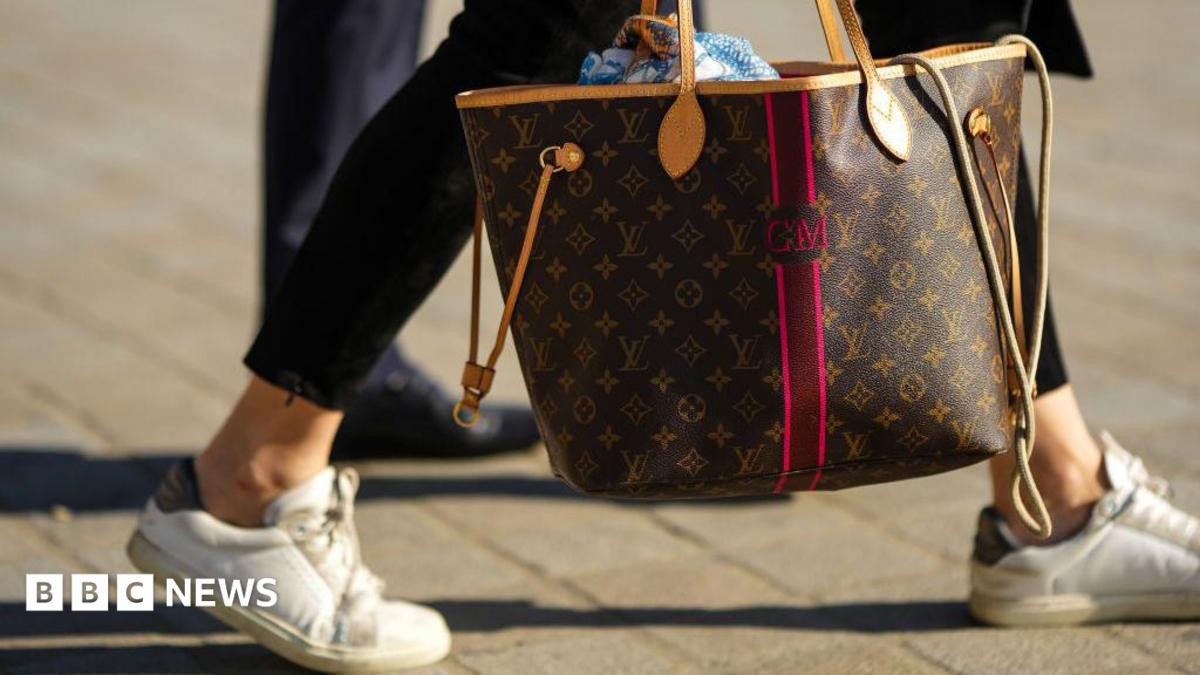
When Vietnam's police raided two nondescript warehouses in outer Ho Chi Minh City earlier this year, they discovered more than 23,000 pairs of slippers bearing the logos of Nike, Adidas, Crocs and Gucci. All were counterfeits. This was reported by Qazaqyia.kz citing BBC News.
The seizure was valued at VND 2bn ($76,053). The raid was part of a crackdown on a black-market industry that has thrived in the public eye for decades.
Just 30km away, at a flea market in Ho Chi Minh's tourist district, the same counterfeit slippers are sold for $57 a pair, while authentic branded versions retail for up to $900 overseas. Displayed alongside are other fakes: "Chanel" handbags, "Prada" t-shirts and "Rolex" watches.
Widely recognized as a global hub for cheap knockoffs of luxury goods, Vietnam is under mounting international pressure to shed that reputation.
On 7 May, the government launched a nationwide crackdown on products and practices violating intellectual property rights, including counterfeit goods, online piracy and trademark infringements. This is not new, but has intensified in recent weeks.
Thanh Truc, a clothes vendor at Saigon Square market in Ho Chi Minh City who spoke on condition of anonymity, says: "Every now and then authorities launch anti-counterfeit raids, but they usually focus on higher-value items such as luxury handbags or suitcases. Inspectors come with camera crews, confiscate goods from some shops, and then things gradually return to normal."
This crackdown is fueled by international forces, notably US President Donald Trump's trade war. In April, the Office of the United States Trade Representative designated Vietnam a "priority foreign country" for its "persistent failure to resolve long-standing concerns about IP protection and enforcement" – the first such designation in 13 years. Vietnam was also branded the world's worst offender on IP rights.
Facing the threat of tariffs, Vietnamese authorities pledged to increase IP violation busts by at least 20% in May compared to the same period last year. In mid-May, surprise inspections at Saigon Square and Ben Thanh Market led to confiscation of counterfeit goods and fines totaling over $19,000.
Yet vendors remain unfazed. Thanh Truc explains: "Usually, before inspectors arrive, someone here blows a whistle to warn everyone. Some stores display fewer logo-branded items, but they still have stock in the back."
The supply chain for most of Vietnam's counterfeits traces back to China, where they are manufactured. Vietnamese wholesalers select, buy and import products in bulk that can be easily sold locally, then distribute to smaller businesses. Proximity to China has favored Vietnam's booming counterfeits industry.
The Vietnamese government hails recent sting operations as a success. In the last three weeks of May, authorities handled more than 1,400 IP infringement cases. However, the US continues to tighten the screws.