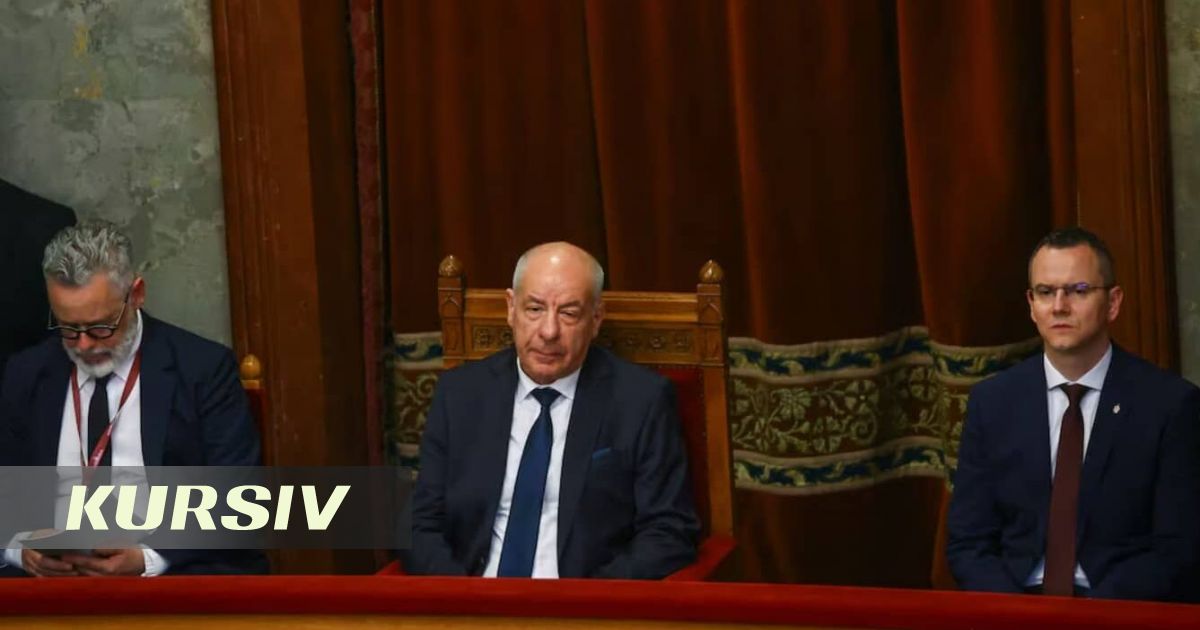
Hungary's parliament adopted a constitutional amendment that allows the removal of President Tamás Sulyok. Prime Minister Péter Magyar's initiative was supported by 139 out of 199 deputies, with six voting against. Representatives of former Prime Minister Viktor Orbán's Fidesz party boycotted the vote. This was reported by Qazaqyia.kz citing DW.
After the amendment was adopted, Magyar stated that he had completed the "constitutional reform of the Orbán regime." According to him, the president has five days to either resign voluntarily or sign the constitutional changes.
To remove the president of Hungary, a simple parliamentary vote is insufficient, so the government amended the Basic Law. The ruling Tisza party, which holds a constitutional majority, secured the necessary number of votes.
At the same time, the decision drew criticism from human rights organizations. Amnesty International stated that Tamás Sulyok has the right to due legal process, while Human Rights Watch warned that such actions could create a dangerous precedent.
Péter Magyar, on the contrary, believes that the president's removal reflects the will of society. He stated that Sulyok has lost the trust of citizens. According to a May poll by the 21 Research Center, 67% of Hungarian voters support his resignation.
Earlier, the head of state refused to comply with the prime minister's demand to voluntarily leave office. After that, Magyar promised to initiate his removal procedure and also stated his intention to seek the dismissal of other representatives of the former government.
Tamás Sulyok, who became president of Hungary in 2024, previously stated that he intends to serve until the end of his term in 2029. His position was supported by the Fidesz party, which called Prime Minister Péter Magyar's demands for voluntary resignation an illegal ultimatum.
After the Tisza party's victory in the parliamentary elections and Magyar's rise to power on May 9 — for the first time in 16 years after the long rule of Viktor Orbán and Fidesz — the new leadership has taken a course to replace officials it considers linked to the previous government.
Earlier, Hungarian state media issued a public statement apologizing to viewers for years of propaganda and announcing a temporary suspension of news broadcasts. Instead of the usual programming, a black screen appeared with a message stating that public media should provide citizens with reliable information, but this principle had been violated for many years. The message also noted that state media are undergoing a major reform aimed at ensuring their independence and restoring audience trust. Until these changes are completed, news broadcasts have been temporarily suspended.