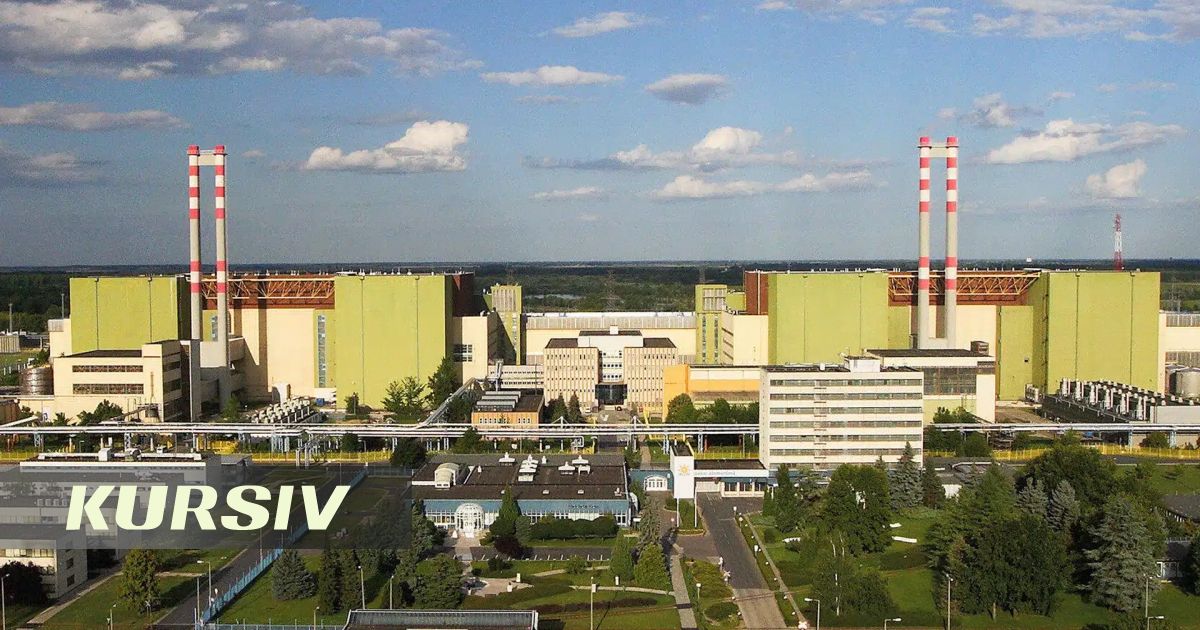
Hungary will temporarily halt operations at its only nuclear power plant, Paks, for the first time in 44 years. The reason is a record drop in the water level of the Danube, which the plant uses to cool its reactors. This was reported by Qazaqyia.kz citing Deutsche Welle.
The Paks NPP provides almost half of the country's electricity generation. Amid the risk of electricity shortages, authorities have called on residents and businesses to save electricity.
Hungarian Prime Minister Peter Magyar earlier said the government had prepared an anti-crisis plan. It provides for a phased restriction of electricity consumption at industrial enterprises. According to him, other power plants in the country will temporarily increase output to compensate for the reduction in NPP capacity.
In 2026, Central Europe faced severe heat and drought. As a result, the Danube has significantly shallowed, and in several regions water levels have dropped to historical lows. This has already led to disruptions in shipping and problems in the energy sector.
Difficulties arose not only in Hungary. At the end of July, Romania stopped and disconnected the first power unit of the Cernavodă NPP from the national power grid. In Serbia, hydrometeorologists also warn of a possible centennial anti-record in the Danube water level. Because of this, the country's authorities have already stopped the operation of a pumping station that supplies water to the northern part of the autonomous province of Vojvodina.
Earlier, Kursiv wrote about why the first NPP in Kazakhstan could be more expensive than in neighboring countries.