Hungary has asked 10 Russian diplomats who "engaged in activities ... that are unacceptable for diplomats under the Vienna Convention" to leave the country. This was reported by Qazaqyia.kz citing The Guardian.
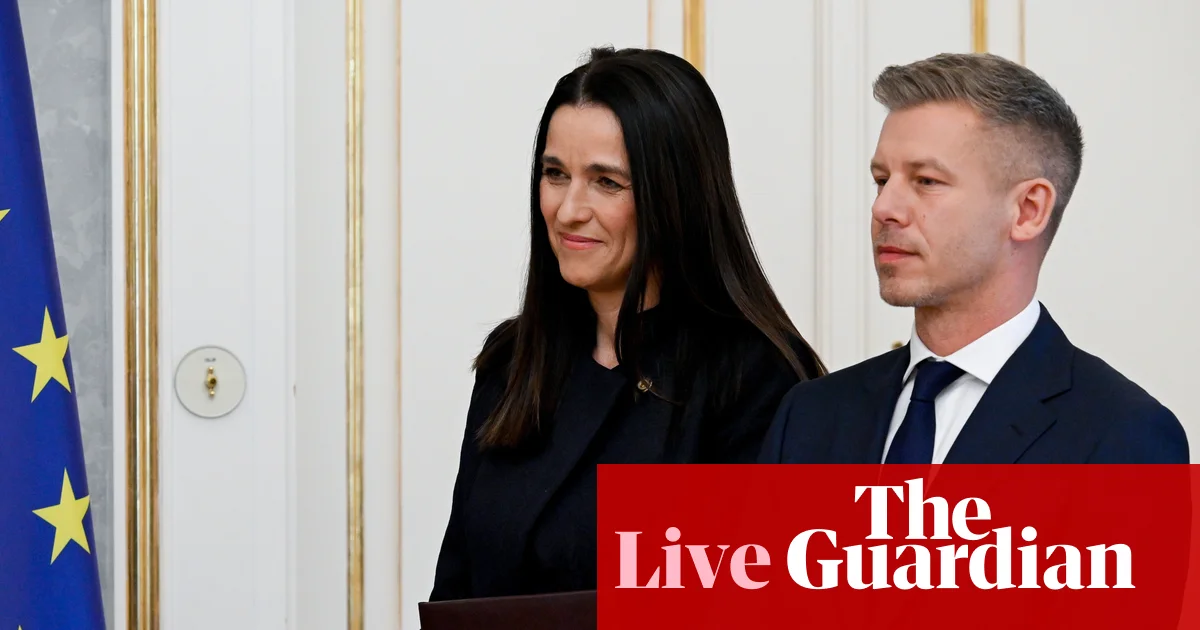
Foreign Minister Anita Orbán said in a statement on Facebook that the decision protects the security and sovereignty of Hungary. She added that this does not mean the severance of diplomatic relations with Russia, and Hungary intends to continue the necessary dialogue based on mutual respect and compliance with the rules.
Moscow said it would respond to the move. Foreign Ministry spokesperson Maria Zakharova told TASS: "The response to the Russophobic lobby in Budapest will be harsh and painful." The Russian Foreign Ministry also told RIA Novosti that it would respond to Hungary's decision.
This comes as Kremlin spokesperson Dmitry Peskov said Russia was confident that victory in its war against Ukraine is "very near." Peskov told Reuters: "Yes, we are confident, and we are sure that victory is very near."
Ukrainian President Volodymyr Zelenskyy told reporters that US peace negotiators had presented several "decent ideas" to be discussed during talks on how to end the war. He also suggested the next trilateral meeting could be hosted by Turkey, the United Arab Emirates, Switzerland, or other countries. Zelenskyy said such a meeting could take place as soon as this month: "If all sides agree, we also want to hold it in autumn. If September works out, then it would be great. The earlier, the better."
Zelenskyy also said he hoped to meet US President Donald Trump this month to discuss missile defence ahead of what is expected to be another difficult winter for Ukraine. This comes as Kyiv finds itself once again under renewed attacks from Russia, with Ukrainian authorities repeatedly warning of a shortage of air defence supplies.
The UK has committed £100m to boost Ukraine's air defence capabilities this winter, including air defence interceptors, large-calibre artillery rounds, and drones.
Additionally, Ukraine's prosecutor general Ruslan Kravchenko has resigned, as Russia resumes attacks.
Twelve people were injured in overnight Russian attacks on Kyiv. These attacks caused significant damage to the city's infrastructure.
Four artworks were stolen from the Renoir museum in southern France. This incident has raised concerns about museum security.
EU chief Ursula von der Leyen condemned the "shocking" funeral of Mladić in Serbia. This event could further exacerbate tensions in the region.
Iceland summoned the US ambassador over Trump's AI-generated map. This map has sparked controversy over territorial claims in the region.
These events occur during a complex period of geopolitical tension in Europe. Hungary's decision to expel Russian diplomats reflects changes in European countries' stance towards Russia. Moscow's promise of a harsh response could lead to further deterioration of relations between the two countries.
The situation in Ukraine remains complex. Despite Kremlin's claims of imminent victory, Ukraine continues to resist, relying on support from Western allies. The UK's additional financial aid is aimed at strengthening Ukraine's defence capabilities.
Zelenskyy's hope to meet Trump reflects Ukraine's desire to maintain strategic relations with the US. The proposal of "decent ideas" in peace negotiations could be an important step in finding ways to end the war.
The expulsion of diplomats in Hungary indicates a shift in the country's policy towards Russia. Anita Orbán's statement emphasizes that Hungary intends to continue diplomatic relations but prioritizes its own security.
Russia's promise of a harsh response could increase tensions in international relations. This situation is likely to affect the security architecture in Europe.
The humanitarian situation in Ukraine also requires attention. The injury of 12 people in overnight attacks shows the threat to civilian infrastructure. The international community continues to provide aid to Ukraine.
These events reflect the complexity of the international situation in September 2026. Each country is trying to protect its interests, and geopolitical confrontation continues.