Each morning that Venezuelans wake to the aftermath of the dual earthquakes, it is a little darker, a little grimmer. This was reported by Qazaqyia.kz citing BBC News.
It means another night in which prayers for the miraculous recovery of missing loved ones went unanswered, in which the fitful sleep of the survivors is interrupted by nightmares of collapsed buildings and moments of sheer panic.
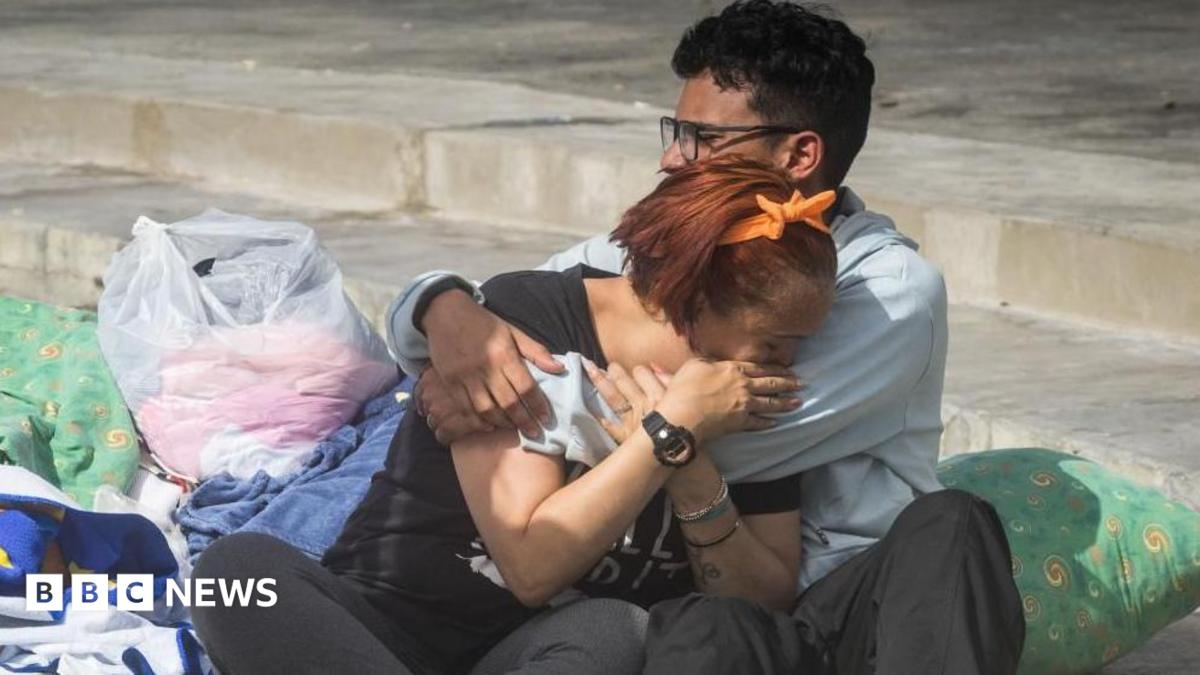
For ex-policeman Jan Carlos Roa Garcia and his family, it was another night sleeping rough. Their building in Caracas wasn't brought down but is too dangerous to return to. Tears rolling down his cheeks, he says he's not sure he even knows how to rebuild his family's life again. "If I was 30 and not 50, then maybe. But I don't know where to begin. And so far, no-one in authority has contacted us."
Musician Zaira Castro had no such reservations. "We're all pretty frustrated because the government is not showing what it should – a serious display of help," she says. "It's actually us, the Venezuelans, who are helping each other. We don't depend on the government – that doesn't exist for us anymore."
In the same part of town, called Chacao, the Interim President, Delcy Rodriguez, took a tour with the mayor and was on the receiving end of residents' ire. "You're campaigning in the middle of a tragedy! The government isn't doing anything for the people," yelled one resident.
On a personal level, I know these streets well. I lived in the affected neighbourhood of Los Palos Grandes in Chacao for several years when I was the BBC's Venezuela Correspondent. My old apartment block was just metres from the collapsed Petunia building, where rescue crews are working around the clock. A friend recently posted on social media that her mother was among the missing. It was a huge relief to see my old building, the Alheli, still intact.
At the scene of the worst-hit areas – particularly the coastal town of La Guaira – the desperation is even greater. The scene around more than 100 flattened buildings is apocalyptic. And as hopes fade, anger grows. "There are still people in there, we need machinery," says affected resident Eileen Lada. "Help us, please," she pleads.
The rescue teams – both Venezuelan and international – have worked through another night showing impressive resilience. Videos are circulating on social media of the workers successfully pulling out survivors.
The hospitals along the northern coastline are at breaking point. A healthcare system that has been underfunded for decades is now trying to cope with a demand that would be tough for countries with much better infrastructure. Doctors and nurses are doing what they can.
And the survivors' stories from inside the wards are chilling. "It was awful – so many people died, so many family members went missing," Maria Vargas recalled to the AFP news agency from her hospital bed. "I lost my house completely, but we're all right, thank God."
After earthquakes, rescue teams say the first 48 hours are crucial. Those have long since passed. This now feels like the hardest moment in Venezuela's modern history.