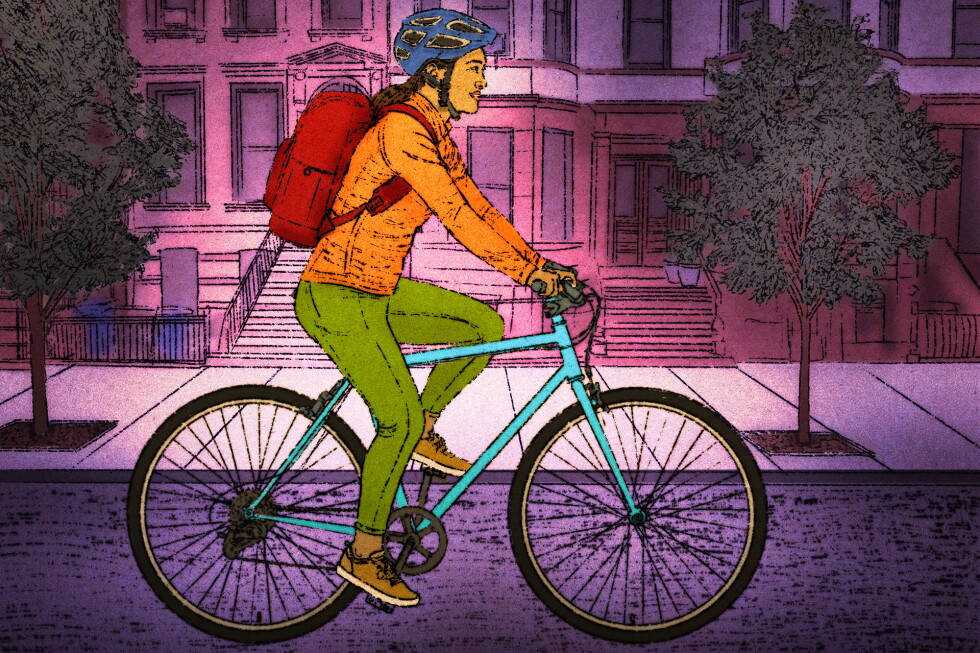
When 72-year-old Michael Roper rides his bicycle to and from the pub he owns in Chicago, he can't imagine a better way to commute. He's getting exercise, drifting through fresh air and catching glimpses of neighborhood life — a recently opened coffee shop or a diving owl at night — that he's convinced he'd miss if he were driving. This was reported by Qazaqyia.kz citing Associated Press.
If you've considered bike commuting but assumed you needed expensive gear and to be in excellent physical shape, or worried about arriving at work disheveled or smelly, there are ways to overcome those hurdles. Cycling can be a healthy, enjoyable and affordable way to a job site, especially at a time of elevated gasoline prices.
"It's such a great, practical invention that I became enamored with as a little kid, and I find it just as valuable as a 72-year-old," Roper, owner of the Hopleaf Bar and restaurant, said.
Below, experienced cyclists and bike safety advocates share tips on how to get started and arrive safely at your destination while still looking reasonably workplace-presentable.
Affordable Start
Some cyclists splash out on pricey gear such as foldable bikes, premium padded shorts and waterproof bags. Specialty cycling equipment can be fun, but you can spend less and still have a great ride. If you don't want to purchase a bicycle, consider a bike-sharing program that rents two-wheelers for short rides.
Natalie Frank, 22, didn't have extra cash when she graduated from college and landed a job as a software engineer in the Boston office of technology company Topsort. She asked her friends if anyone had a bicycle they no longer wanted, and a free road bike was hers a few weeks later.
If the tires need air, she fills them using free pumps located in city parks.
"My commute costs zero dollars. That's crazy," Frank said.
Preparing for Work
Many cyclists reach their workplaces a few minutes early to freshen up and change into work clothes. Some bike commuters leave a spare set at their desks. Like many others, Frank carries clothing in a backpack along with her laptop.
Ellie Dannenberg, 37, a University of Denver math professor, commutes in gym clothes and carries a work outfit in panniers, which are storage bags and baskets that attach to a bicycle. She stashes a pair of work shoes in her office.
"Investing in pannier bags is a really great thing to do, especially for the commute to work when you probably don't want to show up super sweaty," Dannenberg said. "Backpacks are heavy, they're more uncomfortable, and then you end up with a sweaty back when you get there."
On Denver's wetter days, Dannenberg wears rain pants and a waterproof jacket that fits over her helmet.
Some office buildings have showers for washing up, but many don't. Keeping body wipes, rinse-free cleanser or deodorant at work can help you feel polished.
Safety Tips
Cyclists and safety advocates strongly recommend wearing a helmet to protect your head in case of a crash. Wearing bright colors or reflective vests and attaching lights and reflectors to the bicycle improves visibility.
Roper wears a yellow-green helmet and has front and rear lights that flash. "You really can't fail to see me," he said.
To ensure you're seen when traveling on smaller roads without bike lanes, ride in the middle of the lane, and if you're at a stop light, go to the front of the traffic, Dannenberg suggested.
Watch out for black ice in the winter. "If you're running late and there's ice on the road, it's worth it to slow down around the corners," Dannenberg added.
The League of American Bicyclists has videos on its website covering traffic safety and hand signals, which cyclists can use to communicate when they're turning or stopping.
New riders may want to find a biking companion who can point out safe routes.