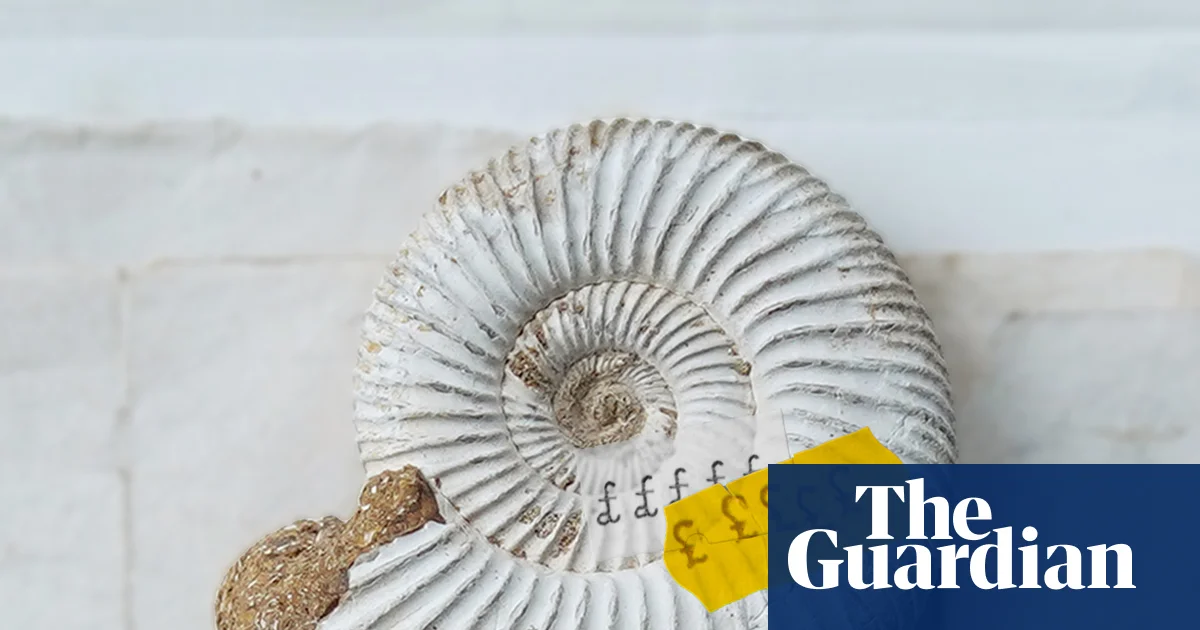
One of the UK's best fossil collections has been sold overseas, in what has been described as a 'loss to the nation'. This was reported by Qazaqyia.kz citing The Guardian.
A lack of funds left British museums unable to pay the eight-figure sum for the collection, which was subsequently sold to an institution in Abu Dhabi.
This incident has once again raised the issue of preserving the country's scientific heritage. Experts say that additional funding for museums is needed to prevent such situations.
Detailed information about the composition and value of the collection has not yet been disclosed. However, it is already clear that this is a significant loss for the UK's scientific heritage.
The sale of the fossil collection abroad highlights the poor financial state of museums in the country. This problem has been discussed for a long time, but no concrete solution has been found yet.
The Abu Dhabi institution plans to use the collection for scientific research, which is expected to strengthen international scientific cooperation.
The UK museum community has expressed concern and called on the government to increase funding for museums. In their view, preserving the country's scientific heritage should be a priority.
It is currently unknown how the new owner will use the collection. However, its importance for scientific research is undeniable.
This incident once again demonstrates the financial difficulties of UK museums. Many museums are forced to sell exhibits due to budget deficits.
Experts emphasize the need for state support to prevent such cases. Otherwise, the country's cultural and scientific heritage may gradually disappear.
According to The Guardian, negotiations on the sale of the collection lasted for several months. In the end, the sum offered by the Abu Dhabi institution exceeded the capabilities of British museums.
This case has caused a great resonance in the UK scientific community. Many scientists and researchers are expressing disagreement with this decision.
The sale of the fossil collection abroad is a loss not only for the UK but for the entire world of science, as such collections are of invaluable importance for scientific research.
Let us hope that this case will serve as a lesson for the authorities and make them take the issue of museum funding seriously. Otherwise, such losses may recur.