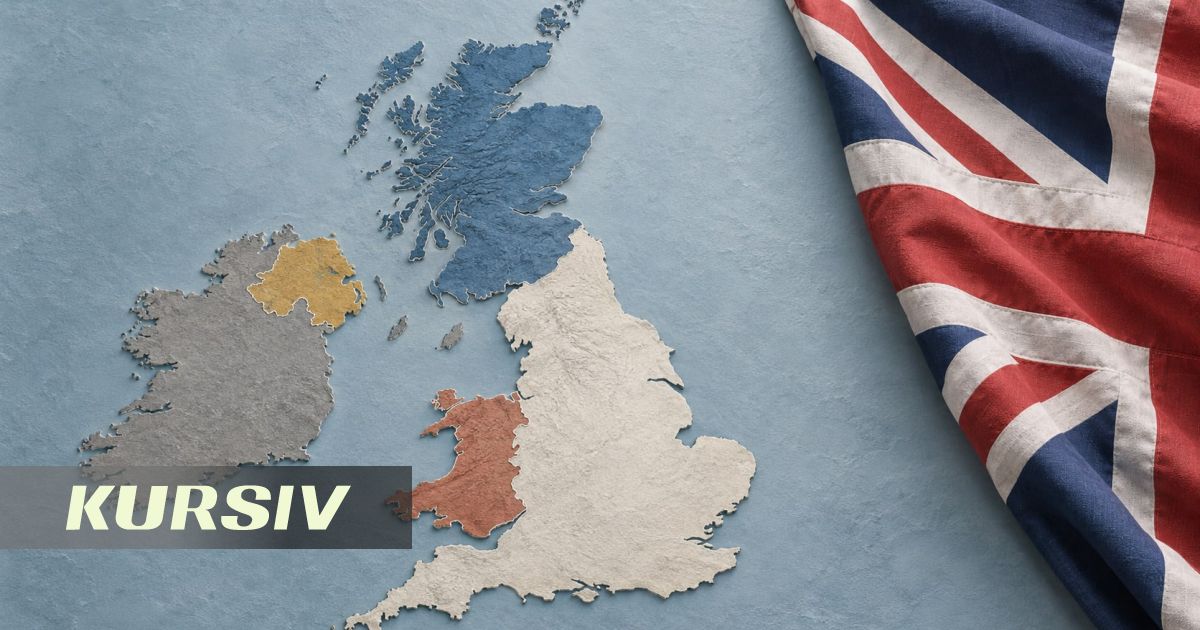
Three parts of the United Kingdom have declared the right to decide their own political future. The leaders of Scotland, Wales and Northern Ireland signed a joint memorandum on self-determination and a possible exit from the United Kingdom. This was reported by Qazaqyia.kz citing Kursiv Media.
The historic meeting took place on 14 September in Cardiff. The document was signed by Scotland's First Minister John Swinney, Welsh First Minister Rhun ap Iorwerth and Northern Ireland's First Minister Michelle O'Neill. The leader of the Irish party Sinn Fein, Mary Lou McDonald, also took part in the talks.
The memorandum states that the residents of the three territories must determine their own future. The parties also intend to cooperate on developing renewable energy, strengthening the economy and restoring ties with the European Union.
"Westminster's time is coming to an end," the document stresses.
Participants in the meeting called on London to prepare for possible constitutional changes and not to obstruct the holding of referendums.
The United Kingdom consists of four parts: England, Scotland, Wales and Northern Ireland. The latter three have their own parliaments and governments, but independence issues remain the responsibility of the central authorities in London.
For the first time, the governments of three parts of the country are headed by representatives of nationalist parties. Swinney represents the Scottish National Party, Iorwerth represents the Welsh party Plaid Cymru, and O'Neill represents the Irish party Sinn Fein.
All these political forces advocate changing the structure of the United Kingdom, but pursue different goals. Scotland and Wales are considering the possibility of creating independent states. Sinn Fein is seeking Northern Ireland's exit from the United Kingdom and its unification with the Republic of Ireland.
The signed memorandum does not trigger the break-up of the country and has no force of law. It merely consolidates the common political position of the three nationalist governments and increases pressure on London.
Scotland already held an independence referendum in 2014. At that time, 55% of participants voted to keep the country within the United Kingdom. Now John Swinney is demanding a new vote within five years, but this requires the consent of the central government.
The Welsh authorities do not yet plan to hold a referendum before 2030, but want to obtain the right to schedule such a vote independently.
Northern Ireland has a special procedure. Under the Good Friday Agreement and British legislation, London must call a referendum on unification with Ireland if grounds emerge to believe that a majority of residents would support such an option.
Even if Scotland or Wales leaves the United Kingdom, their return to the European Union will not happen automatically. New states will have to submit a separate application and go through the accession procedure.
The UK government has stated that Prime Minister Andy Burnham does not support holding new referendums and firmly advocates preserving the union.
British authorities intend to focus on the economy, jobs and the cost of living. However, the joint statement by the three nationalist governments shows that the question of the UK's future is once again becoming one of the country's main political topics.