The EU and the UK have completed their deal to remove Brexit checks on imports and exports of food and animal products ranging from sausages and cheese to leather goods and flowers. This was reported by Qazaqyia.kz citing The Guardian.
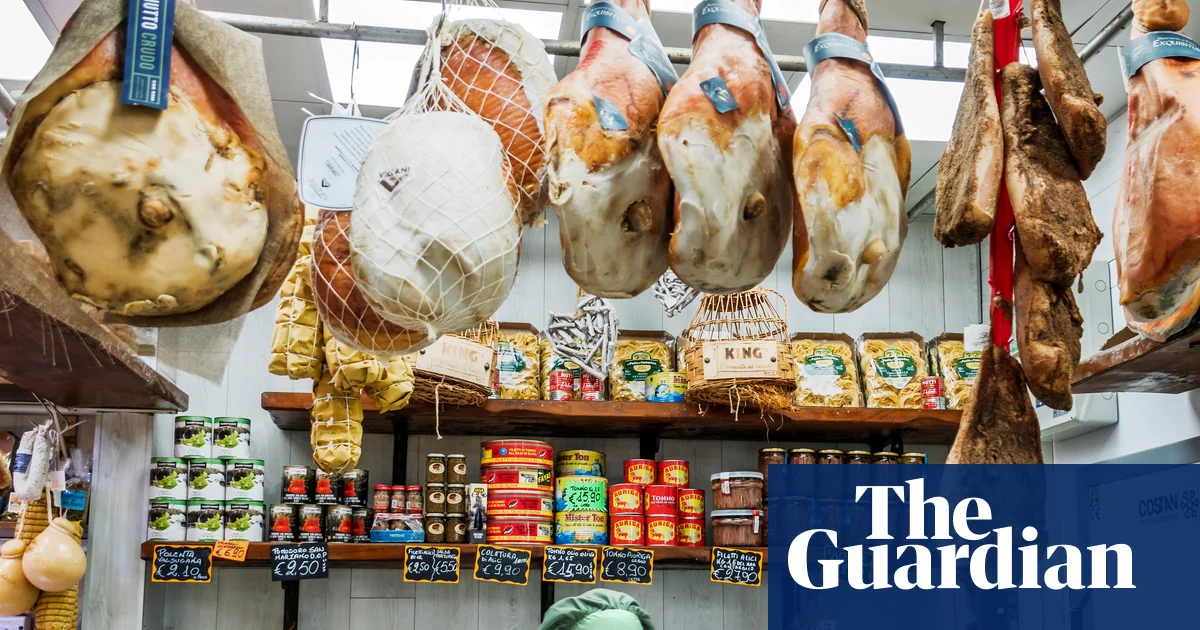
It will prove a boon for British food exporters and will also mean smaller retailers in the UK such as delicatessens can return to buying smaller batches of cheese and wines, something that became impossible because of the cost of Brexit checks introduced in 2022.
But sources say the sanitary and phytosanitary (SPS) deal, largely agreed in May, will not be implemented until the first quarter of 2028 after the change in UK prime minister caused a six-month delay to the second EU-UK summit, now due to be held on 20 November.
Last month the National Farmers’ Union said exports of British food to the EU had collapsed by a third since Brexit, with eggs, chicken and potato products worst hit.
Sources said a 200-page text on post-Brexit food exports had “been settled and there will no further negotiation”.
The deal has divided opinion among unionists in Northern Ireland, with Gavin Robinson, the leader of the Democratic Unionist party, saying it does not go far enough and reflects what he sees as a “lack of ambition” by the government.
The DUP, which is in turmoil after the MP Carla Lockhart’s decision to quit the party on Monday, supported Brexit but not the Windsor framework part of the withdrawal agreement because it cemented SPS checks on goods sold into Northern Ireland from Great Britain.
Steve Aiken, the Windsor framework spokesperson for the rival Ulster Unionist party, gave a cautious welcome to the deal. “If the agreement goes ahead, checks on most agricultural goods coming from the rest of our nation will be significantly, but not completely, reduced,” he said.
The SPS deal will be presented to EU ambassadors at a meeting on Wednesday that will discuss the first iteration of a joint statement to be issued by Andy Burnham and EU leaders on 20 November.
The “zero text” of a joint statement, as it is known, also includes chapters on a widely expected youth experience scheme, but this is still being negotiated, and ambassadors are also due to discuss an 11th-hour proposal from the UK over tuition fees for young Europeans to break a deadlock in talks.
Two weeks ago the European Commission was so concerned that the UK would not budge on its insistence that EU students should pay full international fees that the ambassadors discussed “decoupling” the issue and agreeing instead to negotiate on it separately for another six months.
The SPS deal was largely agreed in May and published by the government to allow food producers time to prepare for the change. At the time, the Department for Environment, Food and Rural Affairs said it expected the deal to be implemented in May next year.
Defra has now briefed industry leaders that it may not be implemented until 2028, with a further six-month transition period for a handful of key products such as grains grown this year with fungicides not yet approved in the EU.
The delay is caused by the UK’s need to “dynamically align” British food standards legislation with the EU’s. Although the UK has largely followed EU rules, it has diversified in some areas such as fungicides used to help crops grow in British wet weather.
The legislation is expected to renew controversy over whether the UK is a “rule taker” rather than a “rule maker”, a key issue in Brexit.
Under the proposed framework, retailers in Northern Ireland will no longer have to label products as “not for the EU”, a process criticised in the past by big supermarket chains such as Marks & Spencer.
Talks between British and EU officials began in London earlier this year with the aim of removing much of the Brexit paperwork for both sides. One transport leader told the parliamentary trade select committee that Brexit paperwork had been “pure hell”, with one lorry held up for as long as 27 days in Calais simply because it did not have the right certificates for a frozen beef cargo.