In an elite club in Mumbai, India's financial capital, cockroaches scurry across kitchen floors, spider webs cling to walls, and spoiled vegetables rot in corners. These photos went viral on social media. This was reported by Qazaqyia.kz citing BBC News.
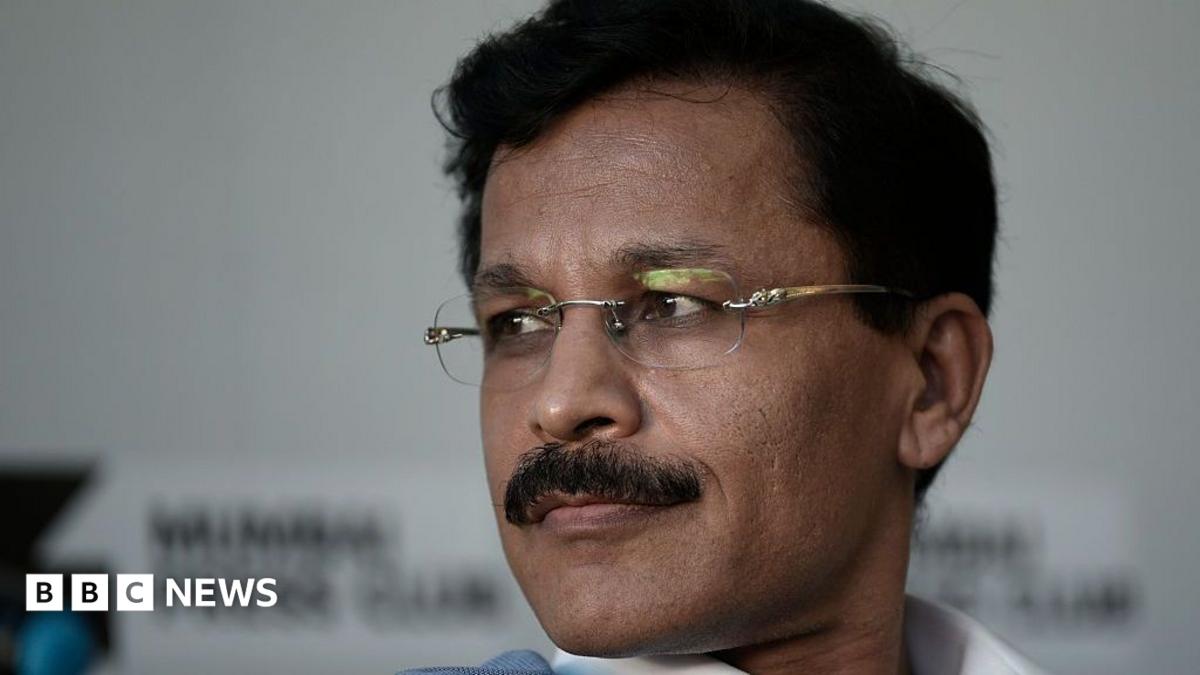
Maharashtra's Food and Drug Administration (FDA) has been conducting inspections at restaurants and food businesses since May. At the center of this crackdown is 51-year-old civil servant Tukaram Mundhe, the state's new food commissioner.
Since taking charge in May, Mundhe has overseen thousands of inspections. He says food safety laws must be enforced regardless of a business's size, influence, or reputation. His department has suspended licenses of several quick-commerce warehouses and sent notices to Bollywood celebrities for advertisements suspected of indirectly promoting restricted products.
"These actions are taken in public health interest. We will continue to take them against violations," Mundhe told the BBC.
The campaign has made Mundhe a recognizable face across India, rare for a civil servant. Videos of his inspections and press briefings circulate widely on social media. He now has more than 3.8 million followers on Instagram.
Mundhe is an officer in the Indian Administrative Service with over two decades of experience. He has been transferred so often that reports say the number exceeds his years in service. "I have stopped counting my transfers," he told the BBC.
Admirers see the transfers as evidence of his uncompromising style. Critics argue that his confrontational approach has put him at odds with colleagues and elected representatives.
In the past decade, Mundhe has won praise for his handling of the Covid pandemic during his time as Nagpur city's municipal commissioner and for his work on water conservation in Maharashtra's drought-prone regions.
"When he was transferred out of Nagpur during the pandemic, thousands showed up outside his home to bid him farewell. It took him an hour just to reach his car," says journalist Shafi Pathan.
But his food-safety crackdown has brought him the most attention yet. The scale of India's food-safety problem is serious. Of 223,808 food samples tested across India in 2025 and 2026, nearly one in five were found to be "non-conforming," according to data presented to parliament in July.
Mundhe has responded with an unusually aggressive enforcement drive. By the end of July, his department had carried out more than 3,100 inspections across the state. Around 300 licenses had been suspended and more than 1,000 improvement notices issued. A new complaints portal had received more than 16,000 complaints in its first three months.
"Hygiene has always been a problem here," Pawan Agarwal, former chief of India's food regulator, told the BBC. "What Mundhe has done differently is make it visible."
Consumers have responded positively to that visibility, Agarwal says. Unlike in India's conventional system, where food safety cases can take years to move through regulators and courts, enforcement actions are now playing out in public.
However, many in the food industry are less enthusiastic. Restaurant associations allege the official has been bypassing a statutory process, while courts have termed some of his actions "high-handed."
Under India's food safety laws, businesses are usually given time to fix violations before regulators suspend or cancel their licenses. Regulators can suspend licenses immediately only in urgent public health situations.
"While compliance is non-negotiable, high-handed approaches - like public naming-and-shaming, instant suspensions over minor procedural or rectifiable issues and treating administrative oversights with harsh penal measures - create panic rather than reform," said Niranjan Laxman Shetty, legal chairman of hospitality association Indian Hotel and Restaurant Association.