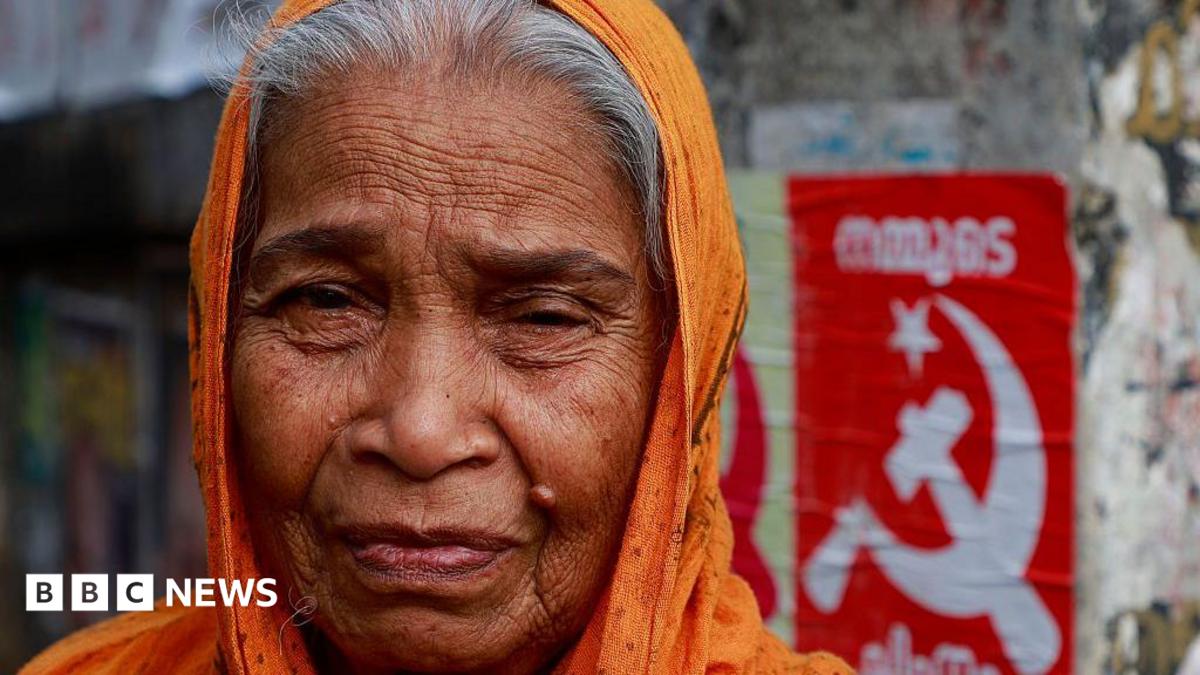
In India's southern state of Kerala, 70-year-old TO Dominic starts most of his days with a phone call to one of his sons. One of them lives in the neighbouring Karnataka, the other in the Middle East. Both left home some years ago in search of better employment opportunities, leaving him and his wife MJ Martha to manage on their own. This was reported by Qazaqyia.kz citing BBC News.
The calls are comforting, revolving around familiar topics such as health and the weather. But when the couple need help at home, it is not their sons who can provide it. Their predicament is becoming increasingly common in Kerala, India's fastest-ageing state, where migration has left growing numbers of elderly people living alone.
Last month, the state government announced a dedicated department for elderly welfare, which officials say is the first of its kind in India, to address the challenges of an ageing population. The department's strategy is centred on "ageing in place" - helping older people remain in their homes and communities rather than moving into institutions. Plans include expanding community and home-based care, introducing "social prescribing" - connecting older people with meaningful social activities, launching a certified caregiver training programme, building a professional care workforce, and creating elderly parks, day-care centres and fitness facilities. A statewide survey of senior citizens will inform a long-term Silver Economy roadmap.
"Ageing is no longer just a welfare issue," says Dr Rathan Kelkar, head of the department. "It cuts across healthcare, housing, transport, local governance, technology, employment, safety, financial services and community life."
Kerala has the highest share of elderly residents among India's major states. By 2036, nearly one in four people in the state - 22.8% - is projected to be over 60, compared with a national average of 14.9%, according to a recent Reserve Bank of India report. The state's ageing population reflects both social progress and migration: better healthcare, longer life expectancy and falling birth rates, while generations have gone to the Middle East, Europe and elsewhere for work, often leaving parents behind.
"Even though I regularly send money home, financial support alone is not enough," says a Sydney-based IT professional whose parents live alone in Kerala. "Being physically present during important moments - especially medical emergencies or simply providing emotional support - is something money cannot replace." When his parents were unwell, he has had to rely on phone and video calls from thousands of kilometres away - "I felt so helpless."
Kelkar says the department is exploring volunteer networks and community programmes to tackle isolation among the elderly. "Our vision is that no elderly person in Kerala should feel invisible or abandoned, regardless of where their children live."