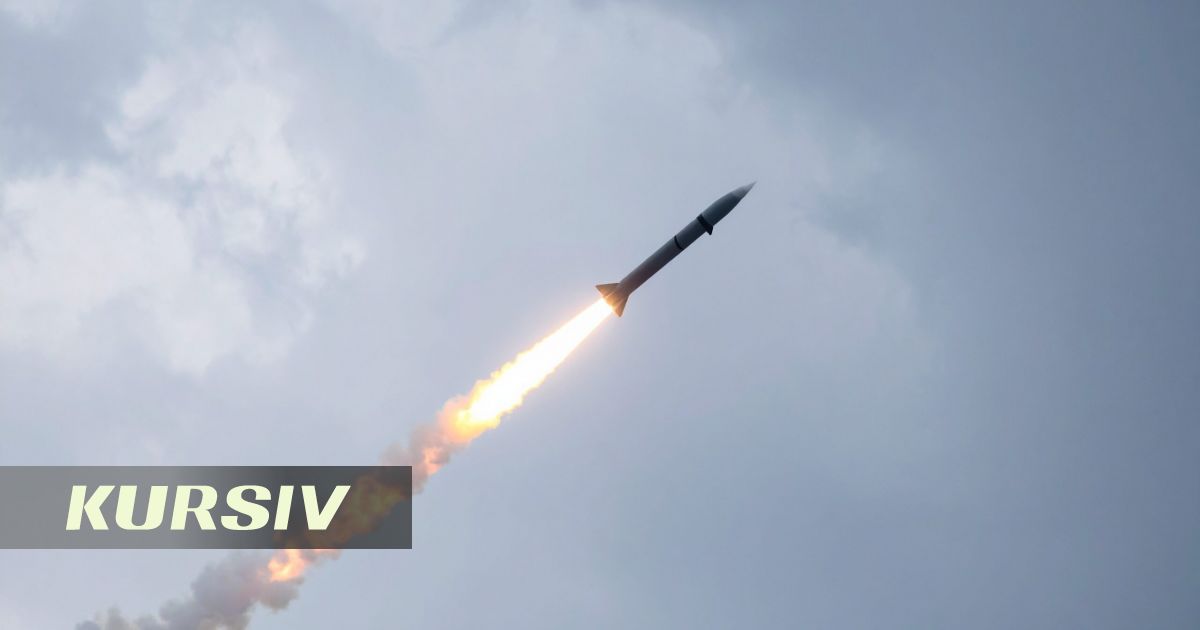
India successfully launched the private orbital rocket Vikram-1 on July 18. This was reported by Qazaqyia.kz citing Kursiv Media.
The light-class rocket, developed by startup Skyroot Aerospace, lifted off from the Satish Dhawan Space Centre on Sriharikota Island. The debut test mission, named Aagaman ("Arrival"), was a complete success. The rocket performed its flight program nominally and delivered a demonstration payload to a low Earth orbit at an altitude of 450 kilometers in 13 minutes.
Vikram-1 is a four-stage launch vehicle about 20–22 meters tall and 1.7 meters in diameter. It can carry up to 350 kg of payload to low Earth orbit (LEO). The body is made entirely of carbon composite materials to reduce weight. The first three stages are solid-fueled, while the fourth (liquid-fueled) stage is equipped with engines created using 3D printing. Over 90% of the rocket's components are manufactured within India.
With this launch, India became the third country in the world (after the United States and China) to deliver a payload to orbit using a private company's fully indigenous development.
During its first flight, Vikram-1 delivered several CubeSat microsatellites and experimental payloads from Indian and international clients. These include: - Robotic manipulators from CosmoServe for space debris removal; - A lab-grown artificial diamond; - A postcard with the handwritten text "Vande Mataram" from Prime Minister Narendra Modi.