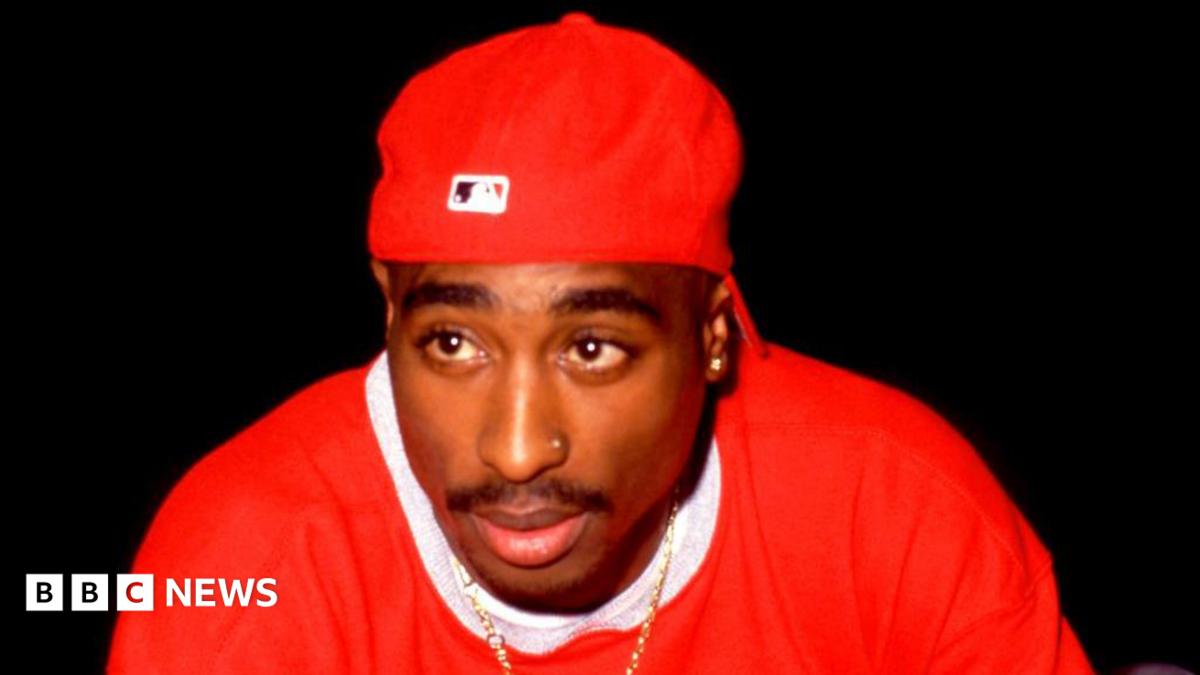
On the second day of the murder trial of rapper Tupac Shakur, a member of his entourage, James "Mob James" McDonald, turned combative, decrying being forced to take the stand and identify those responsible for Shakur's death. This was reported by Qazaqyia.kz citing BBC News.
McDonald said he was threatened with being held in contempt of court if he did not testify on Tuesday. Duane "Keffe D" Davis is charged with murder and accused of orchestrating Shakur's death. He has denied the charges and pleaded not guilty.
McDonald was asked repeatedly whether he could identify who was responsible for Shakur's death. "You're asking me something that wouldn't be good for him," he said, pointing to Davis. "I'm not going to send him to prison, you are."
McDonald asked the court to treat him as a "hostile witness" over his refusal to answer some questions. The trial, which aims to put to rest one of America's most high-profile unresolved murders, comes 30 years after the West Coast rapper's death.
Shakur was just 25 years old when he was gunned down in a drive-by shooting on a Las Vegas street after a Mike Tyson boxing match on 7 September 1996. Prosecutors allege Davis, a former leader of the South Side Compton Crips street gang, planned the shooting after his nephew Orlando Anderson was involved in a fight with Shakur in Las Vegas hours earlier.
At the time, gangs had a hold over the '90s hip-hop scene, street code forbade police cooperation, and distrust of authorities was rampant in the wake of the Rodney King case and the LA riots. Shakur himself, in an ambulance after being shot, refused to talk to police, saying, "we'll take care of it." He died in hospital six days later.
McDonald, a former member of the Mob Piru gang and enforcer at Death Row Records, testified that he was not with Shakur when the shooting took place. Davis's defense attorney Michael Sanft repeatedly questioned him about whether he witnessed the attack and knew who was there.
Under oath, McDonald raised his voice and arms, saying he didn't want to answer many questions because it "wouldn't be good" for the defendant. "I don't want to send him to prison, even though we don't like each other. I don't want to send you to prison," he said, looking at Davis.
McDonald explained that even though he wasn't there, those in Shakur's entourage quickly communicated who was responsible. "It was a gang war. People were getting hurt. People were being sought," he said. "Orlando (Anderson) and certain other people were being sought because people wanted to kill them."
He said people wanted revenge against those responsible. "They were the main subjects of a gang war - they were in the middle," McDonald said of Davis and his nephew.
At the end of his testimony, McDonald addressed Davis: "What you are going through brother is what you going through. I don't want to be a part of it."
Reggie Wright Jr, a member of Shakur's security detail who became general manager of Death Row Records in 1997, also testified on Tuesday. Days before the trial, Davis said the evidence points to Wright, a former Compton police officer.
Wright's defense team asked about his role protecting Suge Knight, who was in the vehicle with Shakur at the time of the shooting, and how his role grew after Knight left Death Row Records.
The high-profile case is expected to continue on Wednesday. Shakur's murder had largely gone cold until Davis made public statements, co-authoring a memoir where he said he was a passenger in the vehicle that fired into Shakur's car and had supplied the gun. Davis has since distanced himself from the memoir, saying parts were fictionalised to sell more copies.