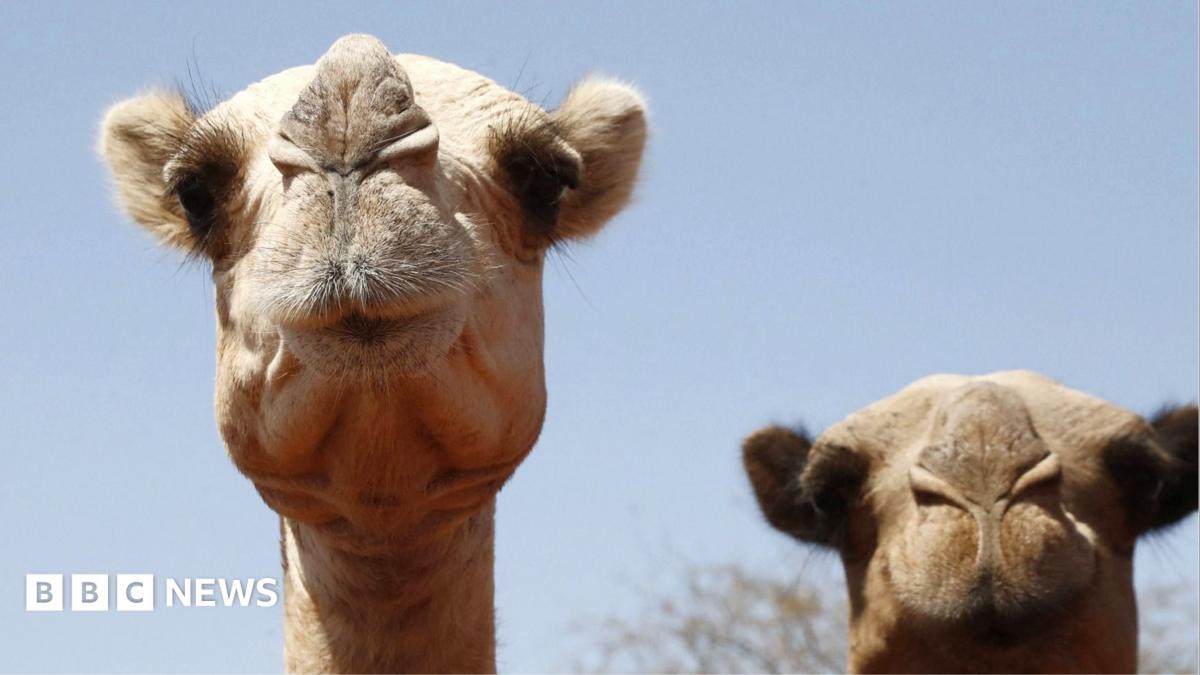
Camels are famously known as the ships of the desert, but even these hardy animals are not being spared from the extremes of rising temperatures in Africa. This was reported by Qazaqyia.kz citing BBC News.
The Afar region of north-eastern Ethiopia is one of the hottest and driest places on Earth, where nomads often lead camel caravans carrying salt through the desert.
"I can see my camels suffering from extreme heat," Ali Umer, a camel herder from Semera in Afar, told the BBC.
"They get blisters on their feet, their eyes become watery and the hot sand burns their skin and eats up their hair when they are sitting," said the 40-year-old who owns around 500 camels.
"Within the past one month I have lost eight camel calves because of the extreme heat, it has become much more intense and difficult. Even the wind, which used to bring cool air, now carries heat," he said, adding he had noticed these drastic changes in the temperature in recent years.
Scientists, animal welfare workers and various studies all mention stress, fatigue, dehydration, disease prevalence as direct impacts of extreme heat. The higher temperatures also indirectly make camels suffer by causing severe loss of water, vegetation, and reduced shaded areas.
North Africa and the Horn of Africa host around 80% of the world's largest population of dromedary camels. Over the years, farmers and cattle herders in these regions have switched to these animals because of their resilience to harsh heat and drought conditions. But a study based on the perception of camel herders in southern Ethiopia, published in 2025, showed that high temperatures and climate variability had had a detrimental impact on camel herd health.
In neighbouring Somalia, the situation appears to be more serious. Research published in June has shown that drought-related camel mortality is a widespread crisis, affecting nearly 46% of camel-owning households. The study included nearly 6,000 pastoral households and showed that the mortality was concentrated in northern regions, with Sool reporting a "staggering mortality rate of nearly 73%".
Extreme heat is the main cause behind the drought in the region although other factors like inadequate veterinary services and animal management make things worse, experts say. An analysis by atmospheric scientists found that high temperatures in the region were behind the 2021-22 drought, as extreme heat makes water from soil and water bodies turn into vapour and plants release water in them into air as vapour.
Veterinarians say they are treating more sick camels and are seeing more deaths due to extreme heat and drought. "We are seeing significant increase in cases of hyperthermia in camels as a result of which they get multiple infections," Hassan Nuya Guyo, a veterinary officer in Marsabit county in north-eastern Kenya bordering Ethiopia, told the BBC. "In the last two years, we have seen a more than 15% increase in camel deaths in our county due to extreme heat."
A similar story is playing out in North Africa. A study in Algeria, published this year, has shown a significant increase in camel deaths during summer heatwaves. "Time series analysis highlights significant seasonal mortality patterns, underscoring the need for targeted interventions during high-risk periods like peak summer months; such as strategic water provisioning, supplemental feeding, and enhanced disease monitoring," it said.
The World Meteorological Organization (WMO) says extreme heat events have become a common phenomenon in several North African countries with heatwaves having increased with a clear upward trend since 1981. It said a number of countries in the region and the Middle East reported temperatures above 50C in 2024. WMO's State of the Climate in Africa 2025 report said North Africa recorded the most rapid warming of the six subregions - 0.43C per decade - between 1991 and 2025.