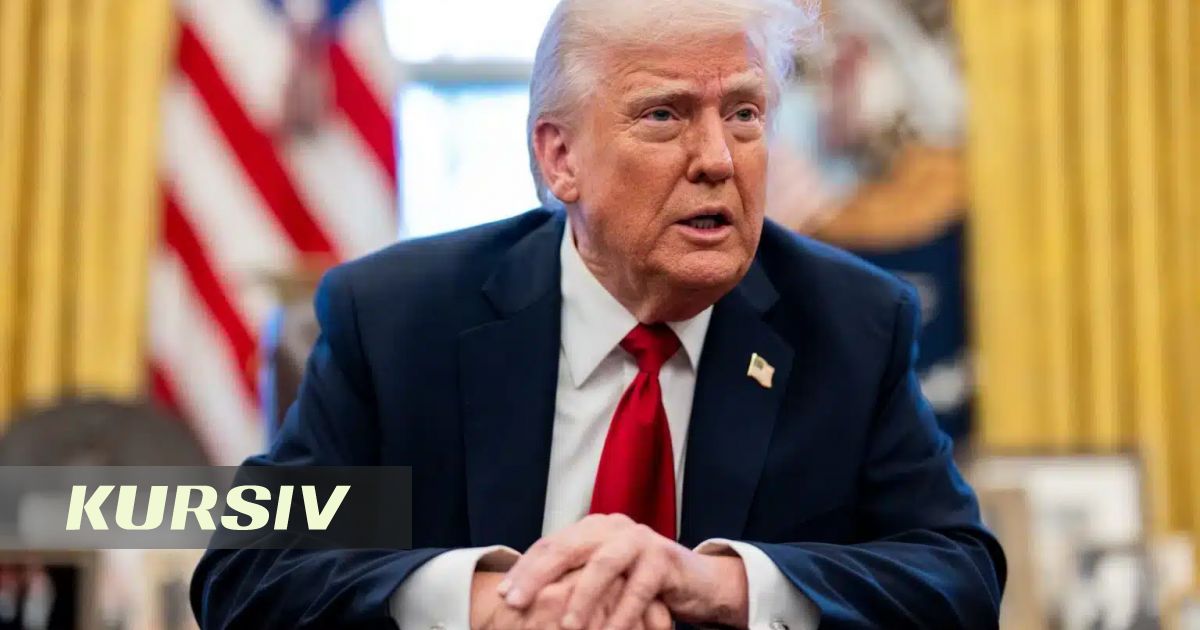
The U.S. Supreme Court rejected President Donald Trump's attempt to limit birthright citizenship for children of migrants. This was reported by Qazaqyia.kz citing Kursiv Media.
By a 6-3 vote, the justices upheld a lower court's ruling that had blocked the executive order.
The order, signed by Trump on his first day back in the White House, would have denied citizenship to children born in the U.S. unless at least one parent was a U.S. citizen or a lawful permanent resident (green card holder).
The initiative was part of a broader campaign to tighten immigration policy and combat both illegal and legal immigration.
Opponents argued the order violated the 14th Amendment to the U.S. Constitution, which guarantees citizenship to all persons born in the country and subject to its jurisdiction.
In its ruling, the Supreme Court relied on the 1898 case "United States v. Wong Kim Ark," which established birthright citizenship for children of foreign nationals born in the U.S.
Chief Justice John Roberts emphasized that U.S. courts have adhered to this position for over a century.
"For 128 years, we have consistently held that the Wong Kim Ark decision guarantees citizenship to all children born in the United States and subject to its jurisdiction. We see no reason to change this approach today," the court's opinion stated.
Roberts also noted that the Trump administration failed to provide sufficient grounds for revisiting the established interpretation of the Constitution.
According to experts, if the order had taken effect, it could have affected up to 250,000 children born annually in the U.S.
Additionally, millions of families would have been required to verify the citizenship status of their newborns.
The case was heard as part of a class-action lawsuit filed in New Hampshire by parents and children whose right to U.S. citizenship was threatened.
The Supreme Court's decision came just days before the U.S. Independence Day celebrations, as the country prepares to mark the 250th anniversary of its founding.
In early 2025, Trump announced the largest deportation in U.S. history ahead of his inauguration, fulfilling a campaign promise. At that time, Kursiv reported that the U.S. president had taken a new approach to the illegal migrant problem, offering them money, help with purchasing a ticket, and the possibility of returning to the country in the future.