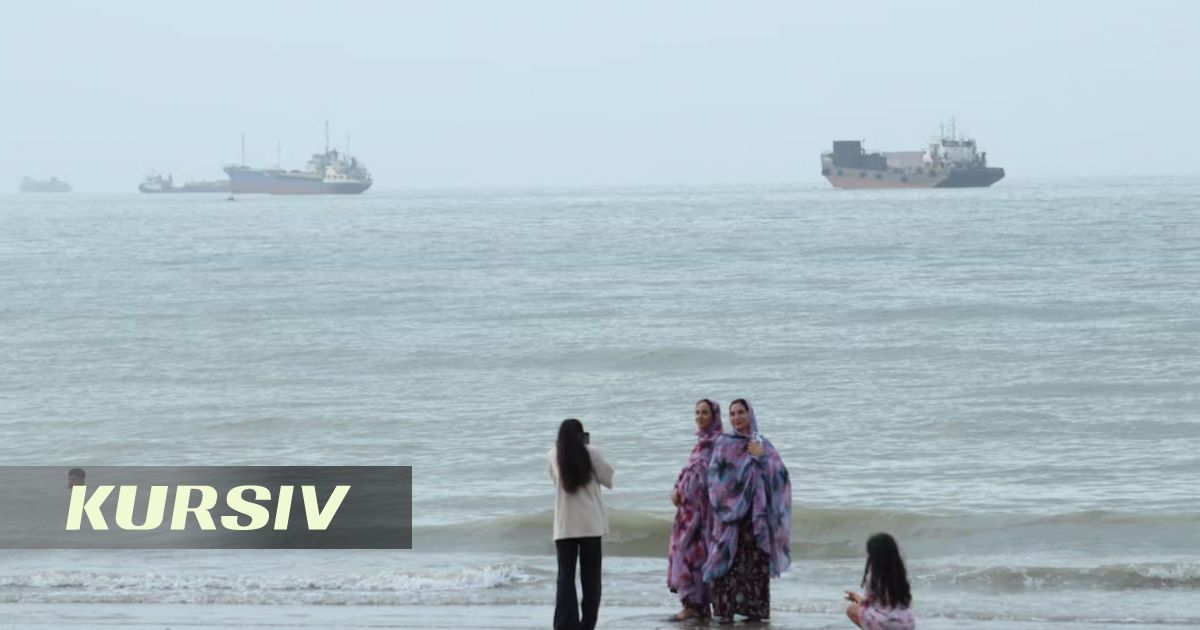
US President Donald Trump said he intends to declare the Strait of Hormuz US territory after the war with Iran ends. He said this on August 14, according to NBC News. This was reported by Qazaqyia.kz citing Kursiv Media.
"After we defeat Iran, I will very soon declare the Strait of Hormuz the territory of the United States," Trump said.
The American president also claims that the US effectively controls ship traffic through the strait thanks to a naval blockade.
"In essence, that's the case. We have established a blockade. No ship passes through the strait unless we want it to," he said.
Trump did not explain how Washington could legally declare an international strait US territory. He has previously claimed "full control" of the United States over the Strait of Hormuz. On August 12, the president called the American blockade a "steel wall" and claimed Iran was unable to stop it.
Tehran disagrees with Washington's statements. Iranian authorities claim they control the strait and can determine the conditions for ships passing through it. Iranian officials have also said they do not intend to fully open the Strait of Hormuz until the US meets a number of demands.
Among Tehran's demands previously mentioned were the lifting of American sanctions, the unfreezing of Iranian assets, and compensation for damage caused during the war. In turn, Trump demanded compensation from Iran for damage that, in his words, Tehran had caused over decades.
Negotiations to end the conflict remain deadlocked. Iranian Foreign Minister Abbas Araghchi said a decision to resume direct talks with the US has not yet been made. Mediators continue to exchange messages between the parties.
The Strait of Hormuz is considered one of the key routes for global energy trade. Before the war, about a fifth of world oil and liquefied natural gas supplies passed through it.
Due to the conflict, ship traffic through the strait has sharply decreased. According to Reuters, in August the number of cargo ships passing through it remains significantly below normal levels. Supply restrictions are already putting pressure on the global energy market and fuel prices.