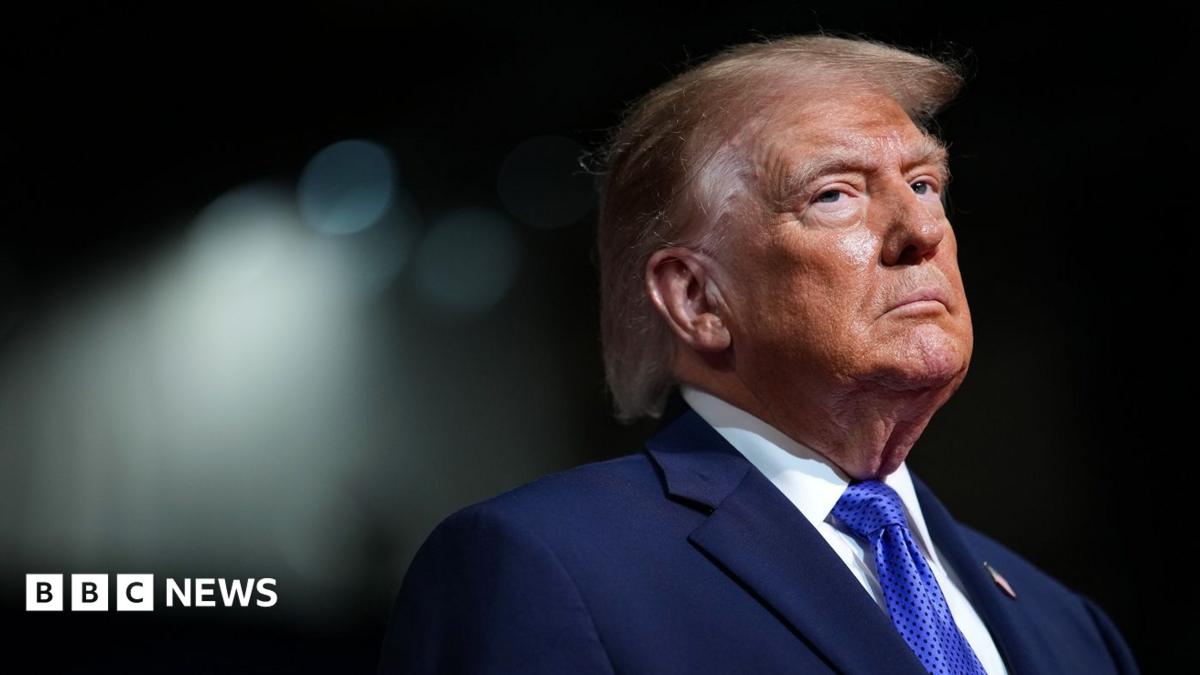
The coalition that powered Donald Trump to three straight presidential nominations imploded in spectacular fashion in the 2026 midterms, leaving Republicans in soul-searching mode about the party's post-Trump future. This was reported by Qazaqyia.kz citing BBC News.
Outgoing Florida Governor Ron DeSantis called the midterms "close to an extinction-level event for Republicans." Vice-President JD Vance blamed public anger over the war with Iran but acknowledged the fallout will be messy. "There will be a lot of infighting and arguing over what happened and why," Vance said.
Republican strategist Rina Shah told the BBC the party must decide whether it will be "centred on one figure, one guy, or on a wider set of ideas like conservatism that can win outside the deepest red places." Never Trumpers are pushing for a return to the party's pre-Trump roots, citing historic losses.
But turning back the clock is extremely difficult. During Trump's decade-long reign, most Republicans shifted right on immigration and rejected the interventionist foreign policy of the George W Bush era. In Congress, the moderate establishment wing has almost entirely disappeared, replaced by conservative Trump backers. This year, old-guard Republicans like John Cornyn in Texas and Maine's Susan Collins were voted out.
Three days after the election, Trump appointed Stephen Miller as White House chief of staff, replacing Susie Wiles. The move signalled Trump has no plans to moderate. Miller, a longtime aide known for hardline immigration policies, had been chief domestic policy adviser.
Maga architect Steve Bannon predicted a "civil war" in the party, blaming the economy and "foreign wars," and called on Trump to double down on mass deportations. Strategist Whit Ayres said that while plenty of Maga voters remain, "a significant portion of the Republican Party that's non-Maga, and that's a majority now."
The party lost the House, Senate, governorships and state legislatures in red states like Texas and Kansas, where Democrats had been shut out for decades and Trump won by double digits. According to a New York Times analysis, Latino support for Democratic candidates increased by 29 percentage points from 2024-26, and support from voters 18-29 increased by 33 points. Polling ahead of the midterms found widespread disapproval with Trump's handling of the economy, immigration and the war with Iran. Democrats also capitalised on perceptions of self-dealing and corruption, and Trump's focus on the White House ballroom and other construction projects contributed to a sense he was more focused on legacy than affordability.