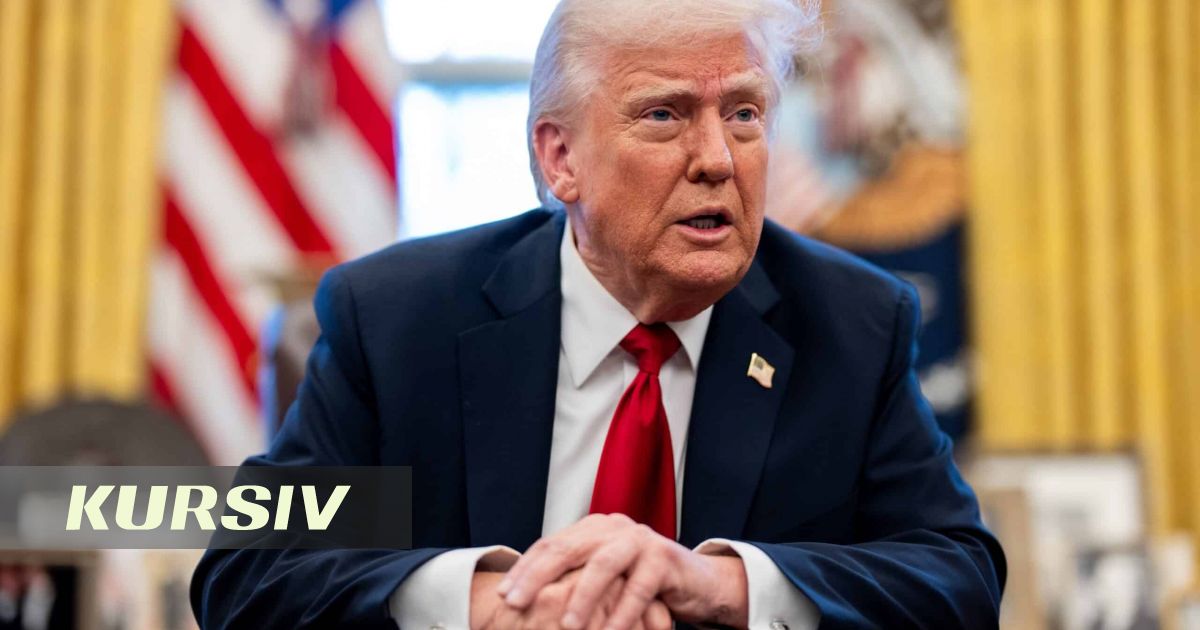
US President Donald Trump threatened Iran with new strikes if Tehran does not take control of pro-Iranian groups in Lebanon. This was reported by Qazaqyia.kz citing Kursiv Media.
"Iran must immediately stop the highly paid forces in Lebanon from creating problems. If they do not, we will again deliver a very strong blow to Iran," Trump wrote on Truth Social.
Earlier, Kursiv reported that Trump said the US would not need to resume hostilities with Iran.
Additionally, it was reported that the US lifted the naval blockade of Iran after signing a memorandum of understanding between the two countries. This was announced by the US Central Command (CENTCOM) on social media platform X.
According to the statement, US forces no longer impede the movement of vessels traveling to and from Iranian ports through the Persian Gulf and the Gulf of Oman.
This event occurs amid complex US-Iran relations. Trump's ultimatum is likely aimed at reducing tensions in Lebanon, but Tehran's reaction remains unknown. In recent months, the US has intensified sanctions and military pressure on Iran, but the signing of the memorandum indicated the possibility of bilateral dialogue.
Pro-Iranian groups in Lebanon, particularly Hezbollah, have often been criticized by the US and Israel. Trump's latest statement reflects a tough stance aimed at limiting the actions of these groups. The US administration has previously taken various measures to reduce Iran's influence in the region.
CENTCOM's decision to lift the blockade may be seen as an economic concession to Iran, but combined with Trump's ultimatum, it demonstrates the duality of US policy. On one hand, Washington signals readiness for dialogue; on the other, it maintains the threat of military force.
How Iran will respond to this ultimatum is the focus of global experts. Tehran has previously withstood US pressure and tried to defend its interests. If Iran does not comply, new US military actions could further destabilize the region.
Currently, the situation in Lebanon remains complex. Actions by pro-Iranian groups increase tensions along the border with Israel and threaten regional security. Trump's ultimatum may be aimed at addressing this issue, but its effectiveness is still questionable.
US-Iran relations have historically been tense. After the killing of Iranian General Qasem Soleimani in 2020 on Trump's orders, the risk of conflict between the two countries increased. Despite the recent memorandum, Trump's new ultimatum shows that bilateral relations remain difficult.
According to experts, changes in US policy toward Iran could affect the regional balance. Actions by pro-Iranian groups in Lebanon are aimed at maintaining Iran's influence in the region, while the US seeks to limit that influence.
Thus, the contradiction between Trump's ultimatum and CENTCOM's lifting of the blockade reflects the complexity of US policy. Further developments in this situation will be closely watched by the international community.