Kazakh President Kassym-Jomart Tokayev has announced the need for a radical increase in electricity production in the country. The head of state set a strategic task to achieve a sustainable energy surplus by 2029 in order to meet the needs of industry, the digital economy and new technologies. This was reported by Qazaqyia.kz citing Kursiv Media.
As the president noted, Kazakhstan currently produces 123 billion kilowatt-hours of electricity. However, this volume is insufficient for a state that plans to actively develop industry, construction, agriculture and introduce artificial intelligence.
«For a country with a developing industry, construction, agro-industrial complex and, most importantly, with a plan for total digitalization of the economy and the introduction of artificial intelligence in all spheres of public life and, consequently, the construction of data centers – this volume of electricity produced is catastrophically insufficient,» the president said.
The head of state outlined a specific deadline for solving the energy problem. Kazakhstan must not only increase electricity generation but also create a sustainable reserve of generating capacity to ensure future economic growth.
«Therefore, we face a strategic task: to achieve a sustainable energy surplus by 2029,» Tokayev emphasized.
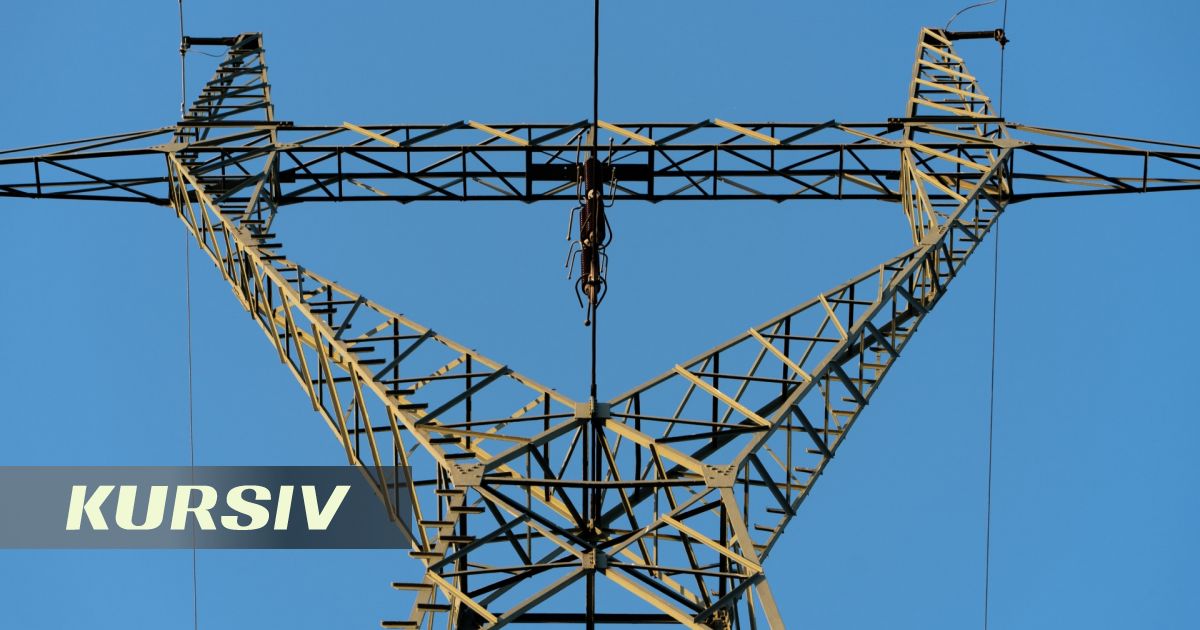
To achieve this goal, the president proposed simultaneously developing several areas of energy. In particular, this involves the construction of new power plants, modernization of existing facilities and renewal of power transmission lines.
A separate priority will be the development of so-called clean coal generation. In parallel, Kazakhstan intends to pay attention to renewable energy sources, primarily solar power plants.
In addition, Tokayev set a task for the government on long-term planning for the development of the industry. The Cabinet of Ministers must update Kazakhstan's unified energy balance until 2035, taking into account future consumption growth and the development of new production facilities.
Abenov and Khudaibergenov fear an AI catastrophe in Kazakhstan: read here.