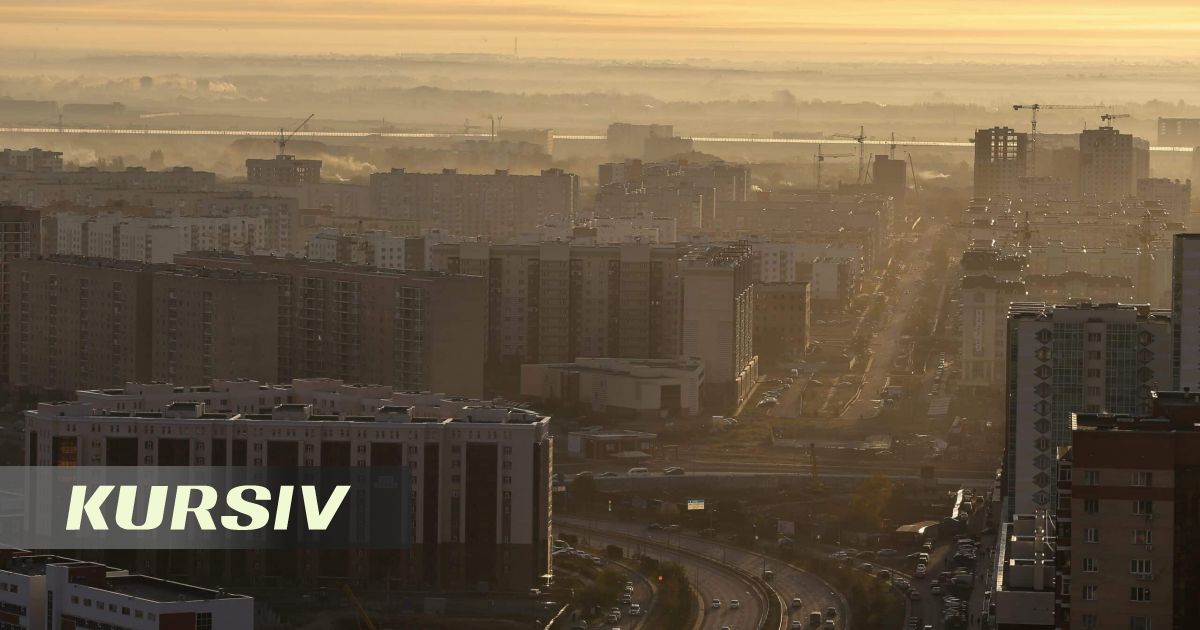
Adverse meteorological conditions (AMC) are expected in four cities of Kazakhstan: Uralsk, Aktobe, Atyrau and Astana. This was reported by Qazaqyia.kz citing Kursiv Media.
Adverse meteorological conditions are a combination of short-term meteorological factors (calm, weak wind, fog, inversion) that contribute to the accumulation of harmful (polluting) substances in the surface layer of atmospheric air.
When AMC occur, the quality of atmospheric air in populated areas may deteriorate, which affects human health.
One of the most important factors determining the formation of the pollution level is the forecast of the synoptic situation (wind, precipitation, humidity, air temperature).
Earlier, Kursiv wrote that wet snow and frosts down to -3°C are expected in Kazakhstan on September 2.
What are adverse meteorological conditions?
Adverse meteorological conditions (AMC) are a combination of short-term meteorological factors, such as calm, weak wind, fog, or inversion, that prevent the dispersion of harmful substances in the atmosphere and contribute to their accumulation in the surface air layer. This leads to a deterioration of air quality, which is especially dangerous for human health.
How do AMC affect health?
During AMC, the concentration of pollutants in the air can significantly increase, which may cause breathing problems, exacerbation of chronic diseases, allergic reactions, and other negative health effects. Children, the elderly, and those with respiratory diseases are particularly vulnerable.
Factors influencing pollution levels
The level of air pollution depends on many factors, including the synoptic situation: wind direction and speed, precipitation, humidity, and air temperature. For example, strong wind promotes the dispersion of pollutants, while calm conditions lead to their accumulation.
Air quality monitoring in Kazakhstan
Kazhydromet regularly monitors air quality in cities and warns in advance about possible adverse conditions. This allows residents to take precautions, such as closing windows, limiting time outdoors, and using protective masks.
Previous forecasts
Earlier, Kursiv reported that wet snow and frosts down to -3°C are expected in Kazakhstan on September 2. Such weather conditions may contribute to the formation of AMC, as inversion and weak wind often accompany cold fronts.
Conclusion
Residents of Uralsk, Aktobe, Atyrau and Astana are advised to follow Kazhydromet forecasts and take precautions in the coming days.