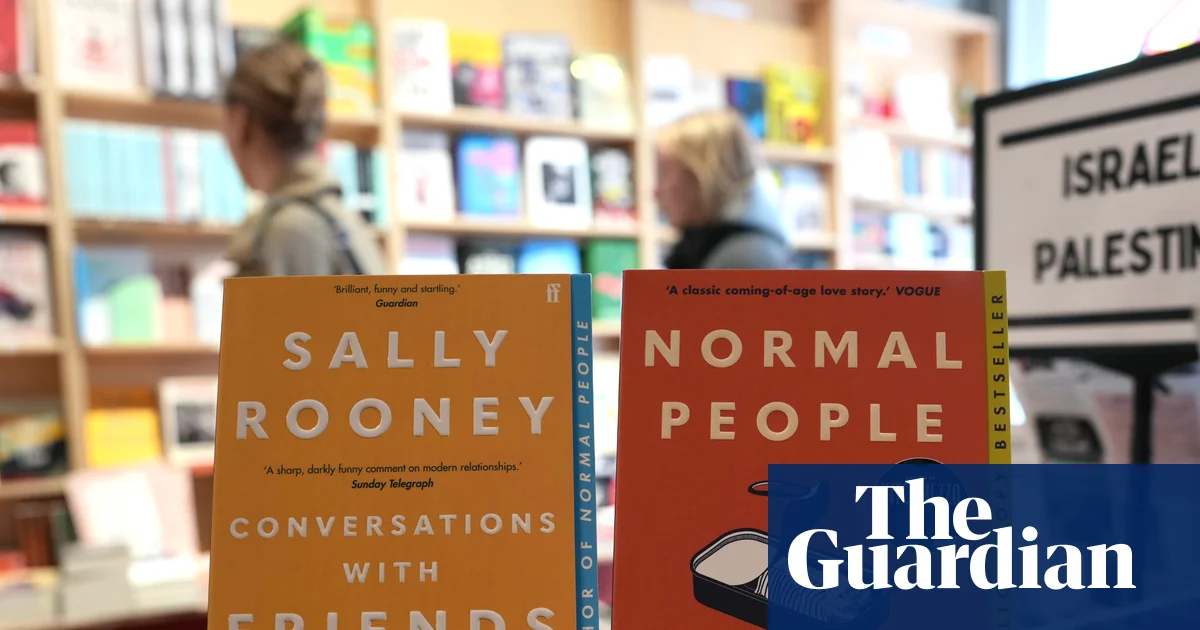
Sally Rooney, one of the most successful novelists of her generation, will no longer supply her books to bookshops in the UK. This was reported by Qazaqyia.kz citing The Guardian.
For now there might be a copy or two of Intermezzo left kicking around in your local bookshop – snap it up if you haven’t already, because soon that will be it.
Last year, Sally Rooney said she would be using her royalties to support Palestine Action, a group that is proscribed as a terrorist organisation under UK law. Since then, thousands of people have been arrested for supporting the group. Now, faced with the risk of prosecution under terrorism legislation, Rooney and her publishers have decided to stop supplying her books to retailers in the UK.
Over the weekend, hundreds of authors signed an open letter supporting her. The rightwing press, meanwhile, have called Rooney a “tedious and malicious” “posturing ingrate”.
Zoe Williams explains the furore surrounding one of the most successful novelists of her generation, while Haroon Siddique tells Nosheen Iqbal how Rooney’s stance could affect the supreme court’s ruling on Palestine Action.
The case has sparked a wider debate about the balance between freedom of expression and anti-terrorism legislation in the UK. Rooney’s decision is a rare instance of a writer being forced to limit their commercial activity because of their political stance.
The authors who signed the open letter defended Rooney’s right and expressed concern about the impact of terrorism laws on literature and the arts. The rightwing press, in turn, criticised her, calling her “posturing”.
Rooney’s publishers were also forced to stop supplying books due to the risk of prosecution. This decision could significantly affect the UK book market, as Rooney is one of the bestselling authors.
Experts note that this situation could influence the supreme court’s ruling on Palestine Action. Rooney’s stance is likely to intensify the debate about the impact of anti-terrorism laws on human rights.
The story has generated a broader discussion about the balance between free speech and security measures in the UK. Rooney’s decision is a striking example of a writer facing restrictions on their professional activity because of their political position.
Hundreds of authors who signed the open letter supported Rooney and expressed concern about the impact of terrorism laws on literature. The rightwing press called her a “tedious and malicious” “posturing ingrate”.
This situation could significantly affect the UK book market, as Rooney is one of the bestselling authors. The decision to stop supplying her books could have serious consequences for both publishers and retailers.
Experts note that this situation could influence the supreme court’s ruling on Palestine Action. Rooney’s stance is likely to intensify the debate about the impact of anti-terrorism laws on human rights.