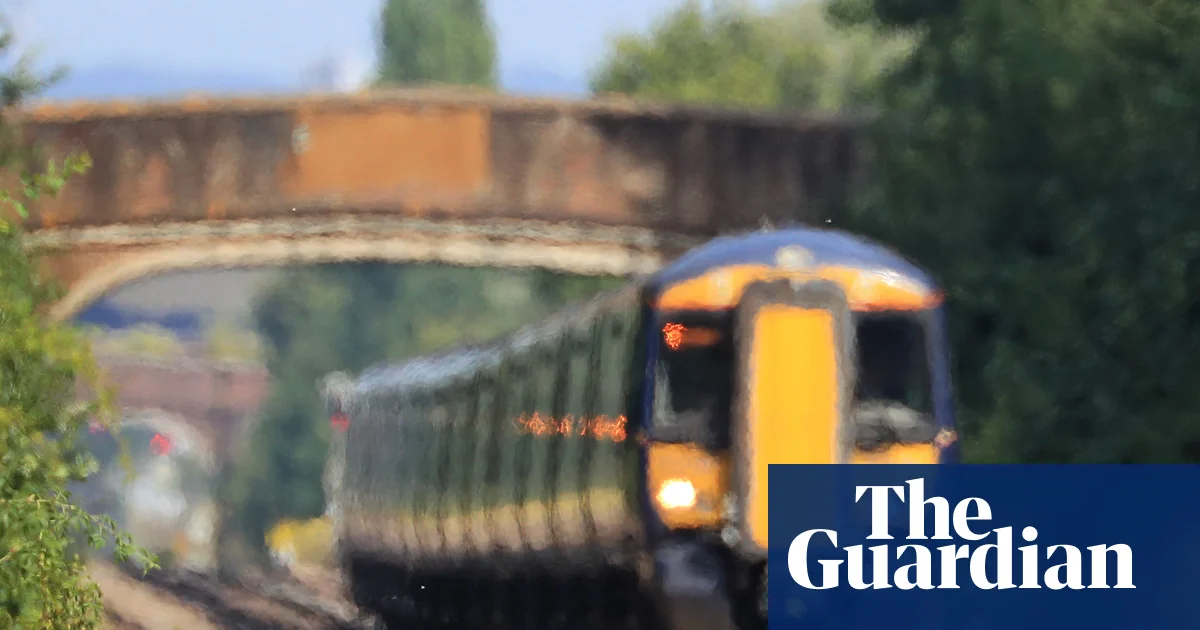
Rail passengers have been told to only attempt to travel if "absolutely essential" and check trains are running, with extreme heat expected to disrupt services around Britain. This was reported by Qazaqyia.kz citing The Guardian.
Temperatures are forecast to rise to 37C across most of southern England and Wales over the next three days, and potentially to 40C in the most affected areas. Intercity trains from London Euston to Birmingham, Manchester and beyond are expected to be among the worst affected.
One commuter network, Chiltern Railways, which runs between London and Birmingham, has already cancelled more than half of its normal timetable in anticipation of widespread disruption. Network Rail said speed restrictions would be imposed, as they were across the country in 2022 when record temperatures were recorded, eventually closing two lines. Slowing down trains would mean most services are significantly delayed or cancelled. There will be no rail replacement bus services during this period.
A red extreme heat warning has been issued by the Met Office for Wednesday and Thursday. Network Rail's advice against non-essential travel will cover lines in the red zone, which is likely to include services on most mainlines from London – affecting long-distance trains across Great Britain.
Jake Kelly, the deputy chief executive of Network Rail, said: "Extreme heat can have a significant impact on the railway, so safety must come first. We're asking passengers to check before travelling on Tuesday, and only travel if absolutely essential on Wednesday and Thursday if they are going to, from or within the red warning zone as temperatures are expected to peak."
"If you do need to travel in this area or outside of it where it will still be hot, please plan ahead, allow extra time and take necessary precautions, such as carrying water, to stay safe. We thank passengers for their patience and understanding during this period."
Extreme temperatures can cause steel rails to expand and buckle, requiring lower speeds for safety. Intense heat also increases the risk of overhead wires on electrified routes sagging or breaking, and could cause signalling and electrical systems to overheat and fail.
The disruption from the heatwave comes as services on the Midland mainline remain affected after the fatal collision on Friday between two EMR trains at Bedford, which killed a train driver and injured about 100 passengers. Investigations and repair work are expected to continue and limit services for the rest of the week.
It is understood that Chiltern, whose services fall entirely within the red zone, is thinning out services to try to ensure most can run or recover with disruption seen as inevitable. Michael Stewart, the commercial director at Chiltern Railways, said: "We strongly advise you to avoid travelling over the next three days if possible. Trains are running at greatly reduced levels to ensure everyone's safety, which means you may experience significant delays and very busy conditions."
"If you do need to travel, please stay safe, check your journeys on the morning you travel as planners are still being updated and carry a bottle of water with you at all times."
LNER, which runs trains between London and Scotland on the east coast mainline, has also told passengers that it "strongly recommends" they do not travel on Wednesday or Thursday. Both operators have said tickets booked for those days can be used on Friday instead. Other operators are expected to follow suit.