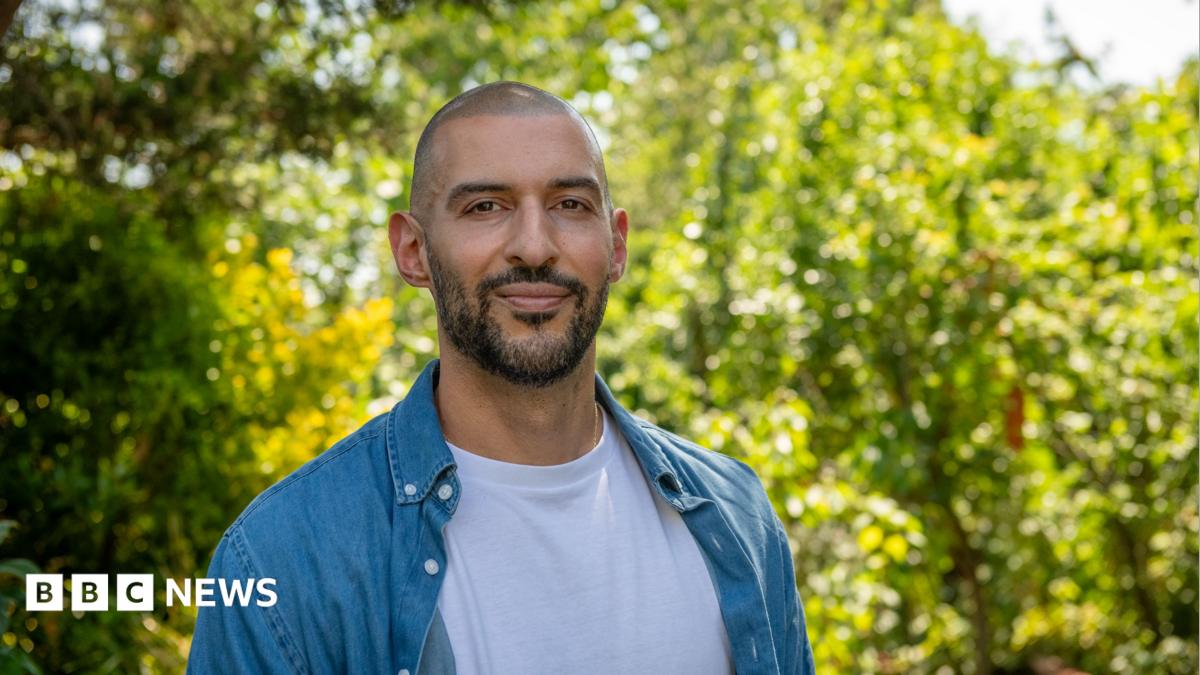
Marios's phone pings and lights up. He has just received a WhatsApp message from me asking for an initial chat about this story. He wants to answer straightaway, but he is in the middle of a therapy session about his phone addiction. He holds his nerve. As soon as the meeting finishes, an hour later we meet on a video call. "I'm so sorry," I say. "The last thing I wanted to do was disturb your session." "Don't worry," Marios sighs. "This is the feeling I've had for many years: this uncontrollable need to be on my phone. It's like carrying around your own drug dealer. My drug is always in my pocket, flashing, beeping me and reminding me to take a dose." This was reported by Qazaqyia.kz citing BBC News.
This was reported by Qazaqyia.kz citing BBC News.
On a bad day, Marios, a personal trainer, can spend more than 14 hours staring at his screen (Instagram, he says, is the killer for him). Now, he is trying a 12-session course of private therapy to curb this compulsion, which he believes is driven by loneliness.
One look at my screen time statistics tells me I checked my phone 116 times yesterday. I also spent over three hours gawping at it.
Phone addiction does not yet exist as an official condition, but in a recent survey of 1,000 adults by Deloitte, 70% of respondents said they spent too much time on their phones. As a growing number of academics warn that smartphones are changing our brain chemistry, experts in addiction have told me they are seeing more clients completely dependent on their devices.
Last year, one in three clients treated for drug dependency by UK Addiction Treatment Centres (UKAT), which supports 3,500 people a year, also had a secondary phone dependency. That's up from just one in 10 in 2019. Some clients even back out of treatment for their primary addiction because they refuse to surrender their device when they enter the clinic, says UKAT.
But when does someone tip over from being an overkeen texter to needing professional help?
As I drive up the tree-lined driveway to Rainford Hall, I'm greeted by huge stained-glass windows dating back to Jacobean times, overlooking manicured gardens. It's an unlikely venue for treating people with a digital addiction. This Steps Together rehab centre in St Helens, Merseyside, also hosts people struggling with other addictions (including drugs, alcohol and gambling) but its therapists are seeing an increasing number of people who cannot switch off from their devices.
"It can affect anyone from any background," lead therapist Kelly Watson explains. "We all have phones, we all have similar brain circuitry, and so many of us can become addicted." Part of our brains work on a reward system, she says. We get a message, a like on social media, or even read some new information on a website and then dopamine is released. Eventually, for some of us, the need for this hit becomes too much. It can take over, causing hours - or even days - of our lives to disappear into the online world, she explains.
James, who is being treated at another Steps Together centre in Leicester, knows how that feels. The 48-year-old initially sought help for alcohol addiction but it soon became clear his digital dependency was also out of control. After James lost his job, his day became consumed with scrolling on social media, checking news websites and obsessing about what was happening in different parts of the world. If he posted anything on social media, he would be awake in the middle of the night checking for likes and comments. He tells me it felt like the digital world was holding him hostage. But any enjoyment of using his phone was gone. "I would be dreading it," James recalls. "It felt like bit of my soul had been sucked out of me, but I couldn't stop."
Seven in 10 respondents to a recent survey said they would prefer to spend less time on their phones.