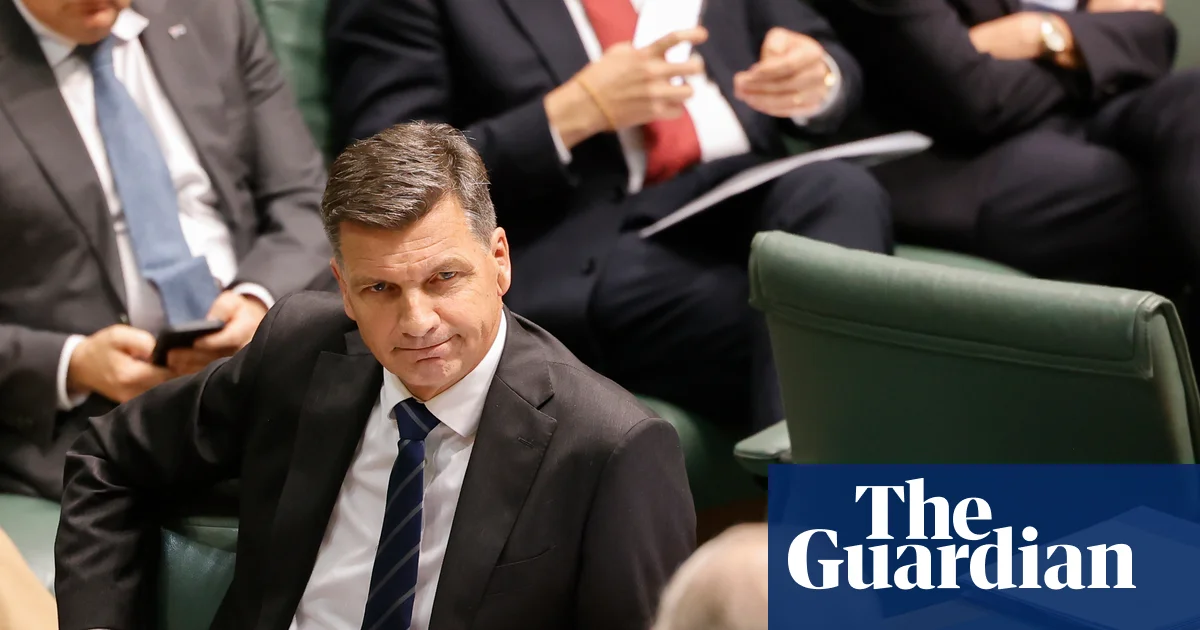
Angus Taylor says the Coalition will only support the Albanese government's proposed overhaul of the NDIS if it first removes the "widow tax" loophole from its changes to taxing investment properties. This was reported by Qazaqyia.kz citing The Guardian.
The warning comes as the Albanese government hopes to land a deal with the opposition this week in order to pass the bill in the Senate after the Greens ruled out supporting changes to the scheme that are expected to boost the federal budget's bottom line by $37.8bn over four years.
In a letter sent to Anthony Albanese on Monday afternoon, and first reported by The Australian, Taylor said delaying the amendments any further was "unconscionable".
"Your government was warned about this problem before the legislation passed. You subsequently promised to fix it. Yet, weeks later, Australians are still waiting for action," the opposition leader told the prime minister.
"We note with concern reports that your government intends to address this issue as part of broader changes to the taxation of trusts, which would impose additional costs and complexity on families and small business owners by forcing them to restructure their affairs.
Delaying the repeal of this cruel tax in an attempt to wedge the Coalition is unconscionable."
As part of the changes to negative gearing, the government grandfathered existing investment properties owned before 12 May. Rental losses on established homes bought after budget night can no longer be used to reduce tax on other income from July 2027.
However, the law would also apply to a person who inherited their partner's share of a property after their death or as part of a divorce settlement, leading to the loophole being dubbed a "widow tax".
The government released an exposure draft of a tranche of tax changes, including closing the loophole, earlier this month, with consultation open until this Friday after the sitting period ends.
Crossbenchers last week slammed the NDIS changes, saying they were going "too far, too fast" and would be "devastating to the lives of disabled people and their families".
The government's proposal will tighten the NDIS eligibility criteria and subject all participants to independent functional assessments from 2028.
It will also give the NDIS minister, Mark Butler, the power to reduce funding categories for individuals by up to 99%. The government intends to apply a 50% reduction in individual participant budgets for social, civic and community participation once the bill passes.
Without the interventions, the government estimates the $52bn-a-year scheme will have more than doubled in cost in a decade's time.
About 241,000 NDIS participants will be shifted off the scheme by June 2031, after the introduction of the functional capacity test. Those unable to access NDIS funding will be directed to new programs run by the states and territories and jointly funded by the commonwealth.