Astronomers have reported that on August 12, 2026, night sky enthusiasts can expect three major events: a parade of six planets, a total solar eclipse during the day, and the peak of the Perseid meteor shower. This was reported by Qazaqyia.kz citing Kursiv Media.
As experts noted, in many locations the day can begin with the parade of planets before sunrise and end with observing several Perseid meteors after sunset.
The solar eclipse will be the main event. It will be the first total solar eclipse in 27 years. The eclipse will occur at the end of the day. The Sun will be low on the horizon, creating a rare "eclipse at sunset" or "golden hour eclipse" effect. For photographers, this could be one of the most interesting opportunities to capture an eclipse in many years.
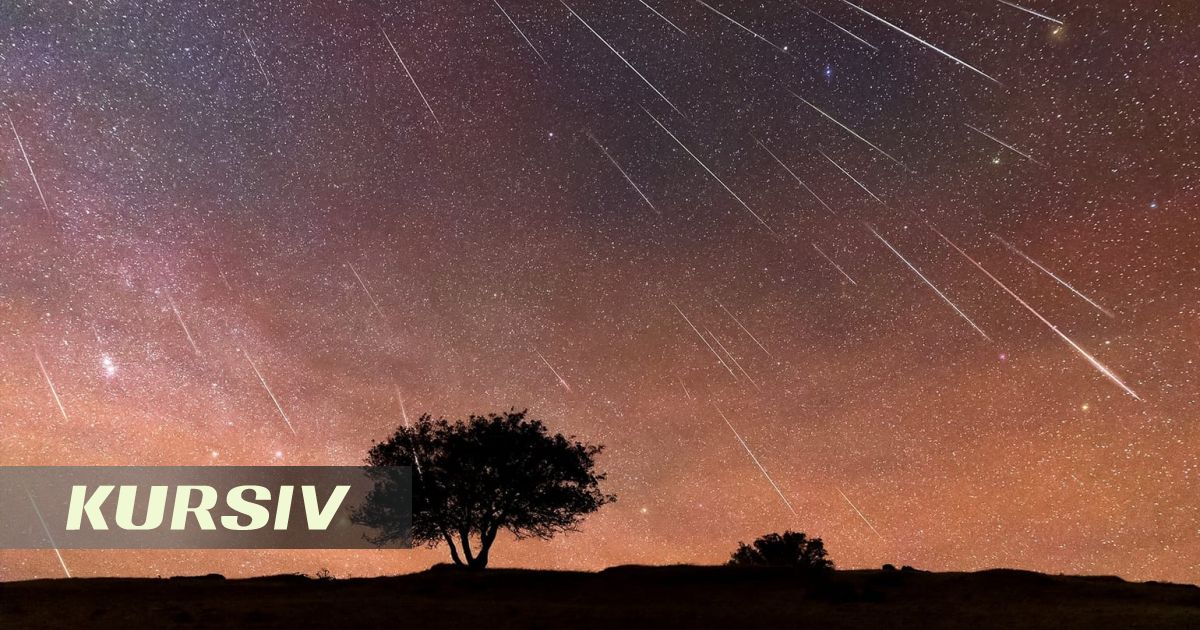
Conditions for observing the Perseids in 2026 will also be unusually favorable. The peak of the shower will fall on the night of the new moon, so the sky will be dark and free of moonlight. This is a huge advantage compared to 2025, when the Moon interfered with many observers. The next time the Perseid peak will fall on a new moon night is only in 2045, making this a rare opportunity to see the meteor shower under perfectly dark skies.
The parade of planets is the "calmest" of the three events, but it's a great way to start the day. Before sunrise, six planets will appear in the morning sky. Some will be clearly visible to the naked eye, while others will require binoculars or a small telescope. Consider this a warm-up before the solar eclipse and meteor shower.
Earlier, Kursiv wrote about a double meteor shower at the end of July. It will occur on the night of July 30-31.