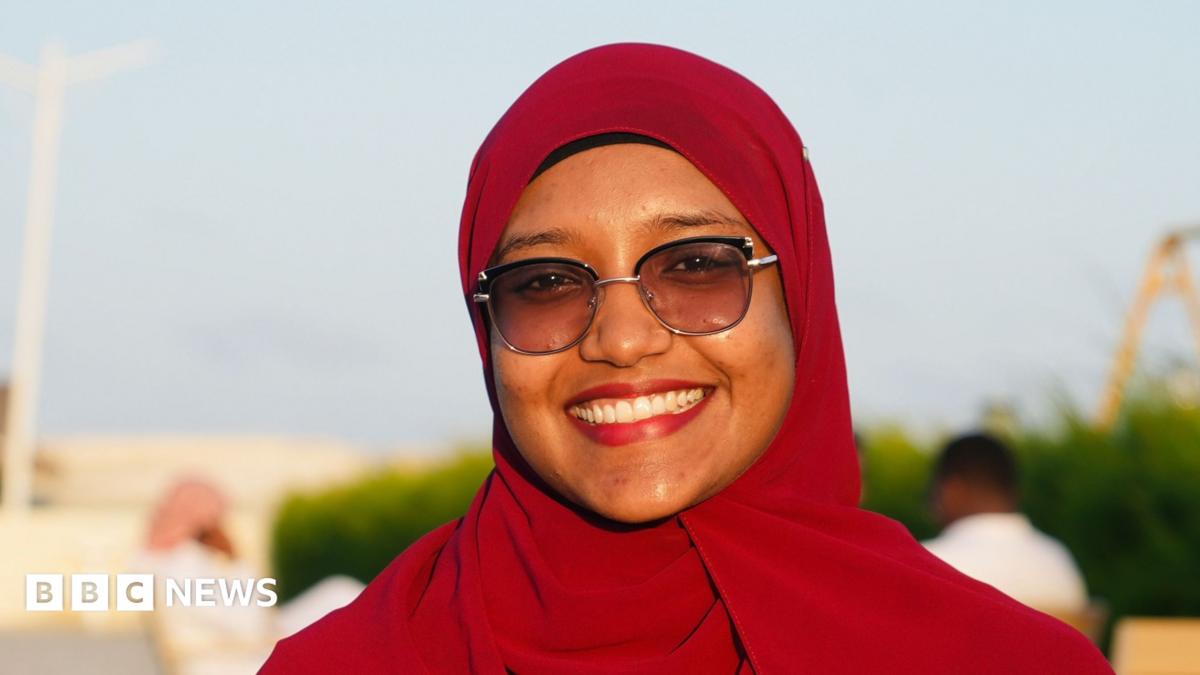
The world's image of Somalia's capital Mogadishu is often associated with suicide attacks and young men wielding AK-47s. But 23-year-old local guide Sucdi Abdul Fattah Abdul Khader is trying to change that by taking visitors beyond the headlines to explore the city's beauty spots, historic sites and culture. This was reported by Qazaqyia.kz citing BBC News.
Her favourite spot is Jazeera beach, where visitors can enjoy the sea before heading to nearby sand dunes. She calls it "one of the tourist attractions where we bring our guests." The dunes, she adds, remind some visitors of the Sahara.
But her tours are about more than scenic views. She also takes visitors to the fish market, where they discover the variety of marine life available along Somalia's extensive coastline, and to parts of the city that reflect its history as a busy Indian Ocean trading centre, with the influences of both its Ottoman and Italian former rulers. Visitors can also sample Somali food, including camel meat, samosas and traditional tea.
Sucdi says many arrive in the city with expectations shaped by years of hearing about the insecurity. "Mostly, they are surprised by how beautiful the country is and how welcoming people are," she says. At the fish market, she says, visitors are particularly impressed by the variety of fish species.
Guiding tours runs in Sucdi's family. Her father worked in the profession for over three decades, taking journalists, photographers and visitors from different countries around Somalia. He introduced her to the business nearly three years ago. "I started this job as a hobby, but it has become something that I like and am passionate about," she says. She now works alongside her father and a team of guides, building on his experience while using social media to reach a wider audience. She shares videos of her tours on TikTok, offering people outside Somalia a glimpse of places they may never have imagined visiting. She is also considering producing content in English to reach audiences who do not speak Somali.
Tourism remains a relatively new field in Somalia, she says, with only a handful working as guides in Mogadishu. The business is seasonal, but Sucdi says this year has been particularly encouraging, although numbers are still fairly low. Having five tourists a week is considered a success but she is confident that numbers will grow. However, she says many visitors are still concerned about security.
Since the collapse of Somalia's central government in 1991, Mogadishu has endured decades of civil war, destruction and displacement. Much of the city centre was reduced to rubble, and basic services and infrastructure largely broke down. But following the withdrawal of the Islamist militant group al-Shabab from most of the city in 2011, and the establishment of the federal government in 2012, Mogadishu has undergone a gradual transformation. Returning members of the Somali diaspora, local entrepreneurs and investors helped fuel a construction boom, with new hotels, restaurants, businesses and residential developments reshaping the capital. Today, Mogadishu is a growing commercial hub, although insecurity and the legacy of conflict remain part of everyday life.
About 10,000 tourists visited Somalia in 2024, a 50% increase on the previous year, according to the country's tourism department. Many visitors ask about their safety before travelling and often encounter security checkpoints around the city. But she says their experience on the ground is generally positive.