The birds are up with the sunrise in North Carolina's Inner Banks — warblers, flycatchers, sparrows and towhees calling across the treetops. Deer browse on tender buds emerging from dense shrubs. Black bears scrounge for roots, insects and other edibles. This was reported by Qazaqyia.kz citing Associated Press.
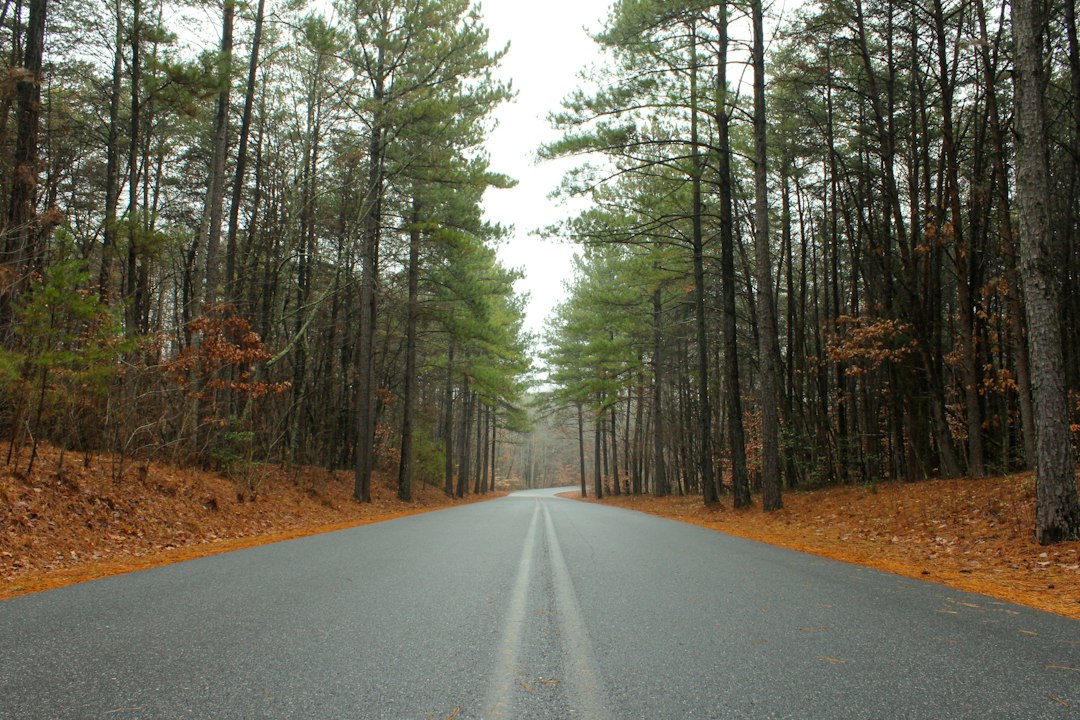
It's an idyllic setting in North Carolina's Inner Banks, where fields of cotton, soybeans and corn stretch for miles, country roads wend through stands of pines and thousands of bird watchers converge to witness the spring migration. But it's what's underground that has drawn scientists and investors to this 23-square-mile (60-square-kilometer) tract: spongy, dense peat up to 15 feet (5 meters) deep.
They're here to save it.
Why peatlands matter
Peatlands are natural carbon stores. If they dry out or are destroyed, the carbon they hold is released into the atmosphere, accelerating climate change. That makes restoring these ecosystems a critical climate task.
In this North Carolina tract, the peat layer reaches up to 15 feet deep, making it one of the region's most important carbon reservoirs. That is what has drawn the attention of scientists and investors.
Restoration work
Neal Flanagan, a research scientist at Duke University, and Curt Richardson, an ecology professor at Duke, used a tool to take a soil sample from a peatland on Wednesday, May 6, 2026, in Belhaven, N.C. The work is aimed at assessing the bog's condition and planning restoration measures.
Black bears, deer and various birds in the area are indicators of a healthy bog ecosystem. But the threat of drying and changes in land use could disrupt that balance.
Why it matters
Peatlands play an important role in the fight against climate change. They can store carbon for a long time, but when they dry out, they have the opposite effect. That is why the combined efforts of scientists and investors are focused on preserving these ecosystems.
This project in North Carolina is an important step toward protecting natural resources and ensuring climate resilience.