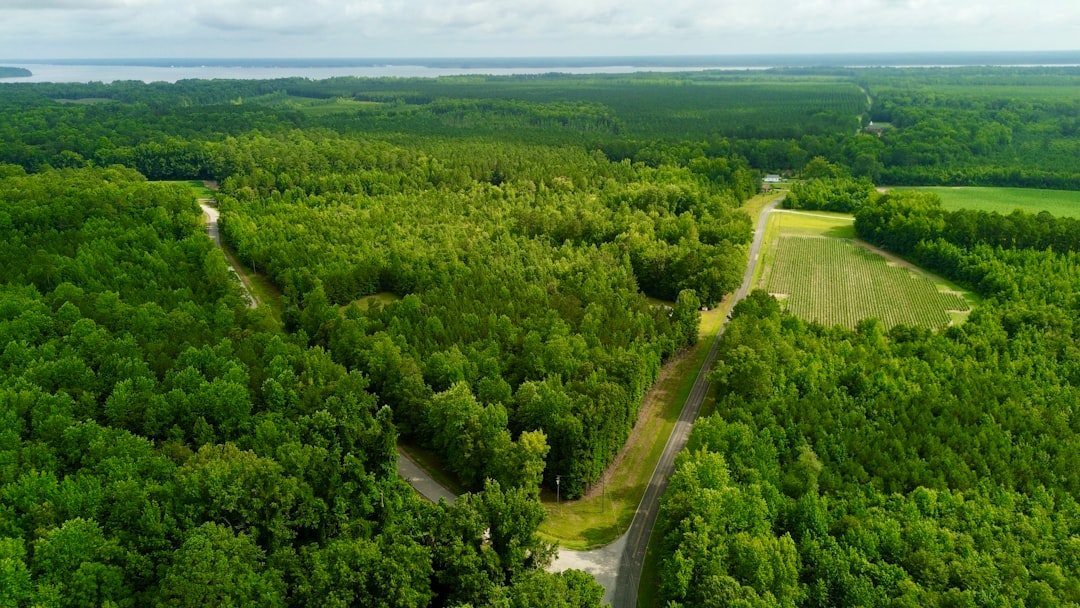
In Belhaven, North Carolina, scientists and investors have begun efforts to save a 23-square-mile (60-square-kilometer) tract of peatland. This was reported by Qazaqyia.kz citing Associated Press.
In this area, birds are up with the sunrise — warblers, flycatchers, sparrows and towhees calling across the treetops. Deer browse on tender buds emerging from dense shrubs. Black bears scrounge for roots, insects and other edibles.
But it's what's underground that has drawn scientists and investors to this tract: spongy, dense peat up to 15 feet (5 meters) deep. They're here to save it.
Peat is a critical carbon reservoir in the fight against climate change. If it dries out or is destroyed, the stored carbon would be released into the atmosphere, exacerbating global warming. As reported by Associated Press, restoring this bog is a race against time.
Duke University ecologist Curt Richardson and his colleagues are working to restore soil moisture. They are trying to stop further decomposition of the peat by raising water levels on lands previously used for agriculture.
This project has both ecological and economic significance. Peatlands are becoming a valuable asset in the carbon market due to their ability to store carbon. Investors hope to buy this land and earn carbon credits for its restoration.
However, the process is complex. When peat dries out, it reacts with oxygen and releases carbon dioxide. Therefore, rewetting the land is a key step. But negotiations with landowners in the area are necessary.
According to Associated Press, project participants aim to contribute to the fight against climate change by saving this bog. They say that if the peat dries out completely, it could catch fire and release a huge amount of carbon.
Currently, researchers are taking soil samples and monitoring moisture levels. Their goal is to preserve this ecosystem and restore its natural state. This is an important issue not only for North Carolina but for the entire world.