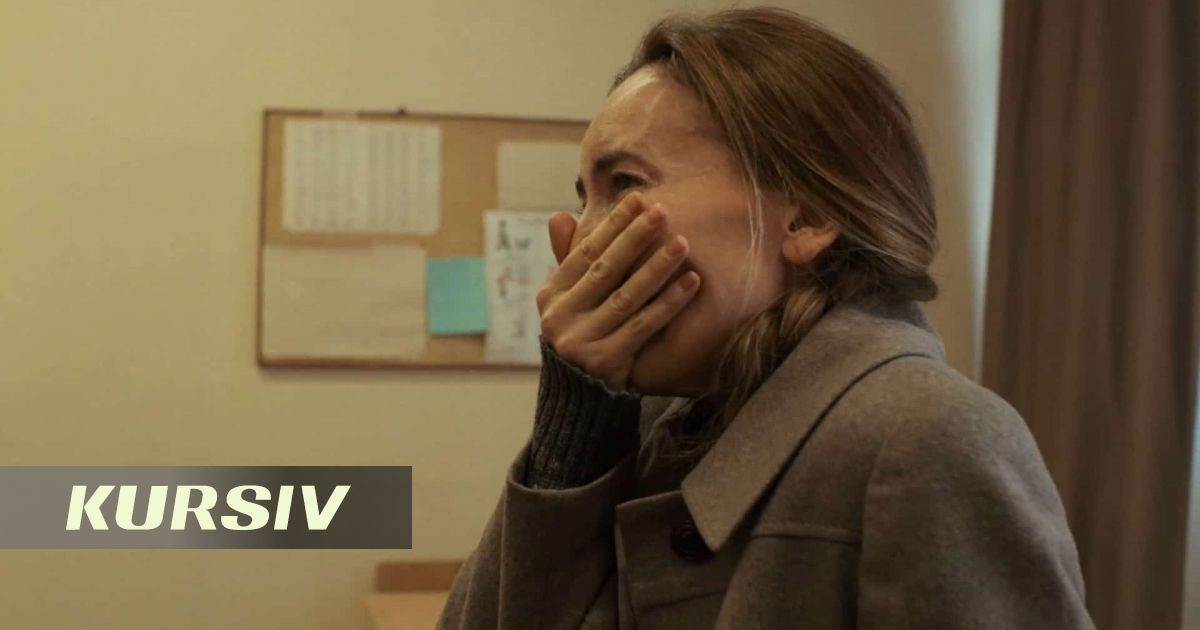
The crime series 'The Word of a Boy' has gained a new wave of popularity three years after its release. Kursiv LifeStyle explains how the mother of the main character became a new symbol of despair, longing and chronic fatigue. This was reported by Qazaqyia.kz citing Kursiv Media.
On TikTok and Instagram, users have begun comparing themselves to the character Svetlana Mikhailovna, played by actress Yulia Alexandrova. A particularly viral clip shows the mother of the main character, nicknamed 'Palto', walking down a snowy street with a completely empty gaze.
Many said she reminded them of themselves, especially during the winter period. Others are transferring the plot from the clip onto their own everyday stories. For example, when one has to go to work or school without any strength, return home after a hard day, or simply go out somewhere without the slightest desire.
Another popular clip shows the character's nervous breakdown at a police station.
It is not known exactly why a clip from a series that came out three years ago became popular. Perhaps it is due to the first cold spells and the approaching winter, when many find the character's state especially familiar. However, behind the clip lies a rather sad storyline.
Next — a spoiler for those who have not yet watched the series 'The Word of a Boy: Blood on the Asphalt'.
Throughout the series, Svetlana tries to protect her son Andrei from the influence of street gangs, but she herself becomes drawn into stories connected to them. After losing money and a hat in a shell game, she receives a stolen headwear from her son's acquaintances, who pass it off as returned.
After learning the truth from a police officer, Svetlana suffers a nervous breakdown and ends up in a psychiatric hospital.
Recall that 'The Word of a Boy' is a 2023 series by director Zhora Kryzhovnikov, based on Robert Garaev's book 'The Word of a Boy. Criminal Tatarstan of the 1970s–2010s'. Earlier, Kursiv LifeStyle published a review of the project, which they even tried to ban because of its harshness.