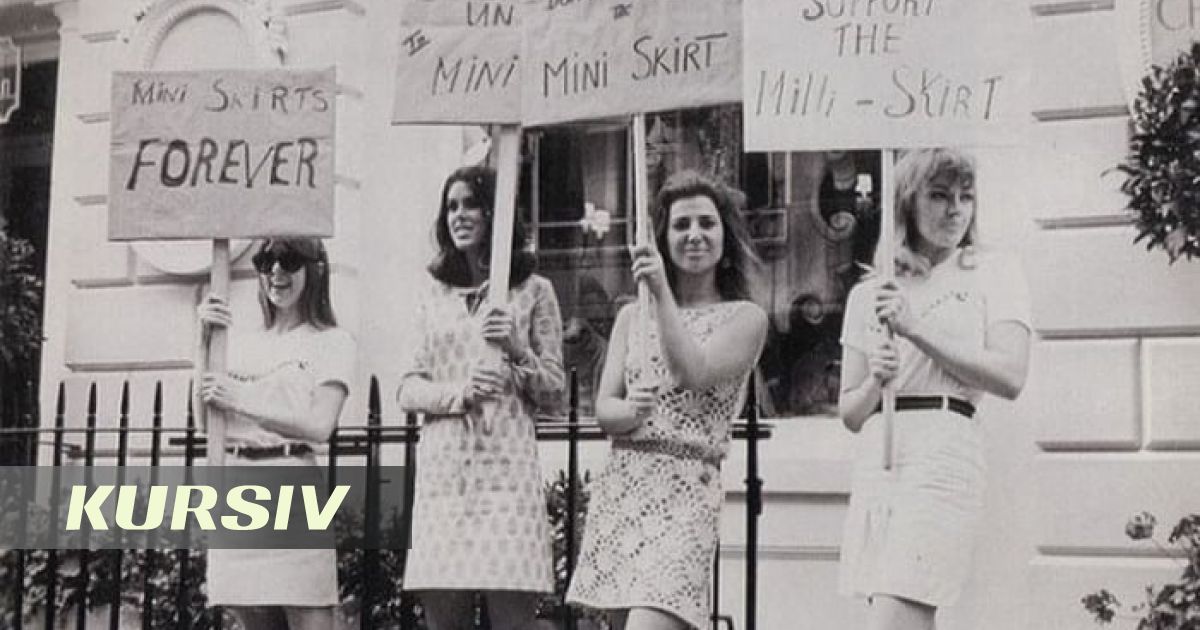
Every time you put on a hoodie, bikini, or miniskirt, you are, without knowing it, wearing a reason for scandal. As fashion history shows, silhouettes and styles sometimes need not only to be invented but also defended: from the church, the police, and public opinion. This was reported by Qazaqyia.kz citing Kursiv Media.
Jersey Fabric (Coco Chanel)
"I made a fortune from old knitwear that I threw over my shoulders when it was cold in Deauville," said Coco Chanel. It was men's knitwear, borrowed from the wardrobe of her lover Arthur "Boy" Capel. In 1913, Chanel's new line appeared: she made women's dresses, skirts, and sweaters from this "indecent" material. "You must be able to bend over, play golf, and put on your own shoes," the designer explained. Critics called it "poor girl's clothing," but wealthy clients soon appreciated the comfort.
Bikini (Louis Réard)
On July 5, 1946, French engineer Louis Réard presented a two-piece swimsuit at Piscine Molitor in Paris, naming it "bikini" after the atoll where the US conducted nuclear tests. Made from 30 cm of fabric, it was so scandalous that no model agreed to wear it; Réard hired dancer Micheline Bernardini from Casino de Paris. The first bikini was made from fabric with a newspaper print, attracting press attention. Bernardini received 50,000 fan letters. It wasn't until Ursula Andress emerged from the water in a white bikini in the 1962 film "Dr. No" that bikinis appeared on beaches worldwide.
Miniskirt (Mary Quant)
In the 1960s, British designer Mary Quant and model Twiggy made the miniskirt a symbol of a generation. Newspapers decried moral decay, the church condemned it, and passersby on King's Road banged umbrellas against the window of the Bazaar shop, shouting "Immoral!" and "Disgusting!" Quant described the mini as a symbol of "freedom and liberation." Her clients included Audrey Hepburn, Brigitte Bardot, and Twiggy.
Le Smoking (Yves Saint Laurent)
When Le Smoking first appeared on the runway in Yves Saint Laurent's 1966 collection, critics were outraged. In 1968, socialite Nan Kempner arrived at La Côte Basque restaurant in New York wearing an YSL tuxedo, but was denied entry because women were not allowed in pants. She removed her trousers and entered wearing only the jacket, like a minidress. The incident made headlines. Later, Catherine Deneuve, Bianca Jagger, and Lauren Bacall wore Le Smoking.
Punk Fashion (Vivienne Westwood)
In the mid-1970s, Vivienne Westwood and Malcolm McLaren opened a shop called SEX on King's Road in London, with the slogan "For soldiers, prostitutes, lesbians, and punks." The inventory included latex and vinyl items, torn T-shirts, and the famous "God Save the Queen" shirt with a portrait of the monarch. This was seen as an insult by "polite society," but it did not stop the "queen of punk."
Conclusion
These six items exemplify fashion's struggle with societal norms. Each was once banned but eventually became part of culture.