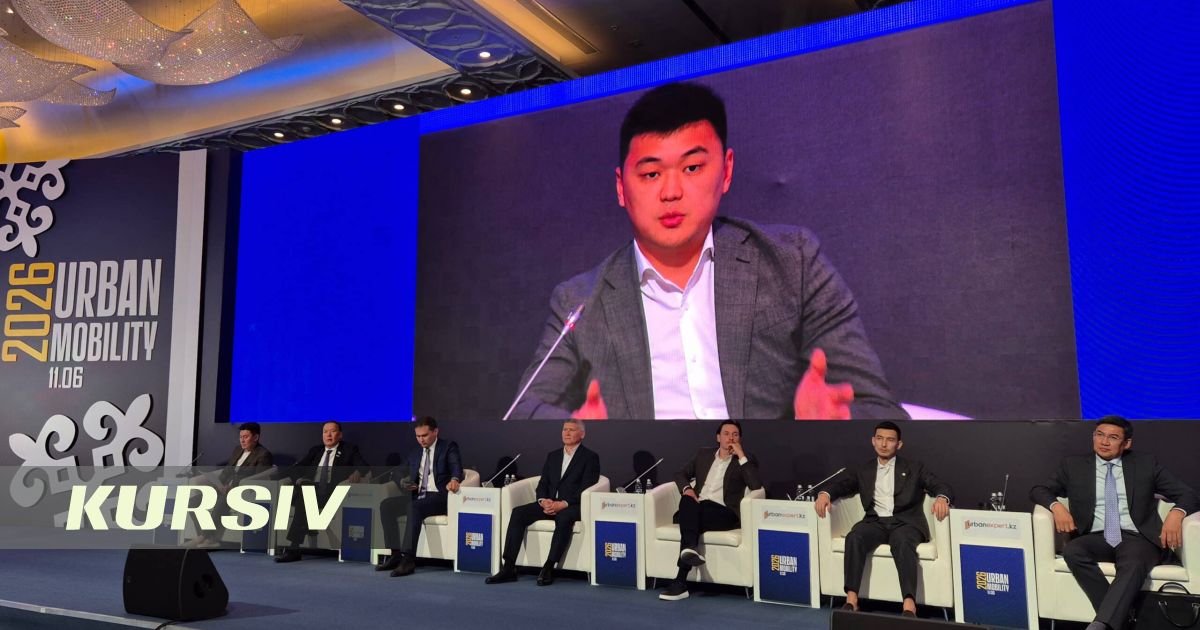
Sergek Group CEO Yevgeniy Kim proposed using artificial intelligence to create a risk rating for taxi drivers. This was reported by Qazaqyia.kz citing Kursiv Media.
Kim made the proposal at the 2nd annual forum "Development of Urban Mobility in Kazakhstan" held in Astana. The event was attended by Majilis deputies, representatives of relevant ministries, and transport market participants.
Speaking at a panel session on taxi regulation, Kim stated that artificial intelligence should become a mandatory element of transport safety — just like seat belts and the ABS system.
According to him, the industry needs to shift from punishing violations and accidents to preventing them. Currently, most safety measures are applied after an incident: fines, investigations, or license revocation. AI, Kim noted, allows for earlier intervention — predicting risk and helping to reduce it before a potential accident.
The system can simultaneously analyze several driver behavior parameters: driving style, sharp accelerations and braking, speeding, signs of fatigue, shift duration, weather conditions, and accident rates on specific road sections. Based on this data, it can determine whether the probability of an accident for a particular driver or vehicle has increased.
Kim specifically addressed the concept of a driver risk rating. Today, passengers see a rating based on reviews, which considers cabin cleanliness, politeness, and ride comfort. However, he noted, passengers know almost nothing about the actual safety level of the driver.
Sergek Group believes that AI can form an objective risk rating based not on opinions but on facts. The calculation may include traffic violation history, aggressive driving, frequency of sharp maneuvers, night work, signs of fatigue, and compliance with work and rest schedules.
As a result, each driver could receive a dynamic risk profile that updates in real time.
According to Kim, this approach could benefit all market participants. Passengers can expect a safer ride, aggregators can reduce accident rates and reputational risks, insurance companies can calculate tariffs more accurately, and the state gains an additional tool for improving traffic safety.
"Previously, technology recorded consequences. Today, AI can predict risk. And tomorrow, the task of a smart city will not be to find those responsible after an accident, but to prevent the accident itself," Kim said.
The company recalled that in May 2026, Sergek Group introduced a platform for preventive detection of road risks based on AI. While that development is primarily aimed at working with authorized bodies, the risk rating is intended for the commercial transport market — aggregators, taxi fleets, and insurance companies.