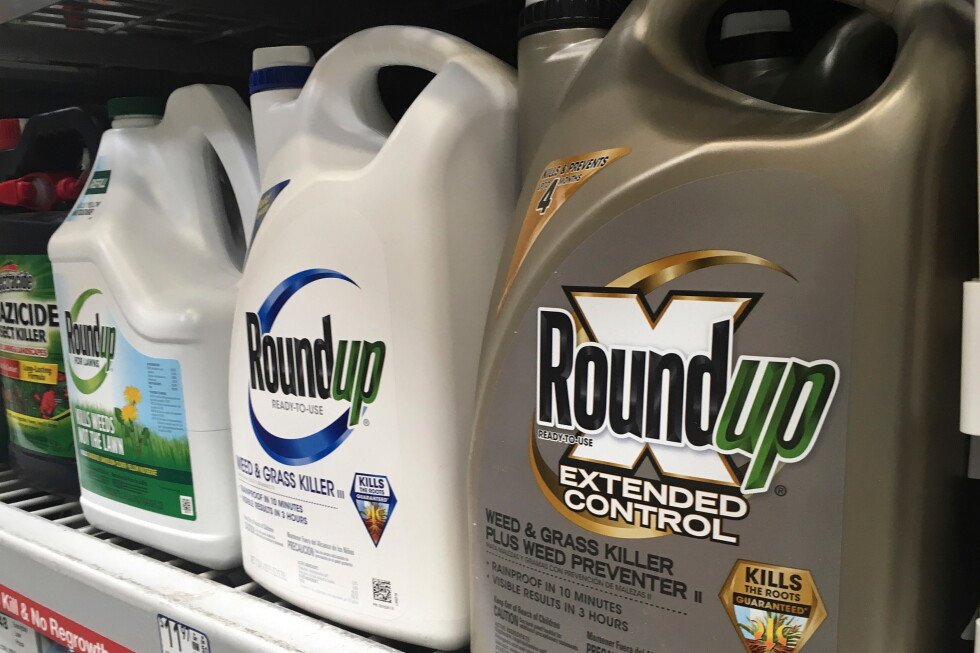
The U.S. Supreme Court sided with the maker of the Roundup weedkiller Thursday in a ruling expected to block thousands of lawsuits alleging it failed to warn people the product could cause cancer. This was reported by Qazaqyia.kz citing Associated Press.
The case came before the justices after a tidal wave of litigation that included some multibillion-dollar verdicts against the global agrochemical manufacturer Bayer, which acquired Roundup when it bought its original manufacturer Monsanto in 2018.
The decision is a victory for the Trump administration, but one that could be tricky politically since allies in the Make America Healthy Again movement want to rein in pesticide use.
The high court, in a 7-2 ruling, found that the company can’t be sued in state courts because federal regulations have found a cancer link unlikely and do not require a warning label.
The decision “is good for science, farmers, and industries that depend on regulatory clarity for innovation,” Bayer said in a statement. “It should help significantly contain the Roundup litigation after nearly a decade of legal battles.”
Though Bayer said the ruling should result in the dismissal of pending lawsuits containing failure-to-warn allegations, the company said it plans to proceed with a proposed $7.25 billion class-action settlement intended to resolve many of the remaining claims.
Lawyers for some residents pursuing Roundup litigation criticized the court’s decision.
“This Supreme Court ruling wrongly slams the courthouse door on Americans sickened by pesticides,” said attorney Christopher Seeger, who is proposed as a claimants’ representative in the settlement. But he said a settlement still would allow some people to receive compensation.
The case before the Supreme Court was filed by Missouri resident John Durnell. He developed a cancer called non-Hodgkin’s lymphoma after more than 20 years of serving as the neighborhood association’s “spray guy,” using Roundup on parks in his historic St. Louis community.
A jury agreed that the company failed to warn him about possible cancer dangers and awarded him $1.25 million. It’s one of thousands of similar cases, including some multibillion-dollar damage awards.
There’s still fierce debate about cancer and Roundup’s key ingredient, glyphosate. The World Health Organization’s International Agency for Research on Cancer classified the chemical as “probably carcinogenic” in 2015. The Environmental Protection Agency has determined that it’s not likely to cause cancer in humans when used as directed.
The agency approved a label without a cancer warning, and Bayer argues that it’s required to follow those federal standards — not the state laws that Durnell and others have sued under. The ruling still could allow other suits alleging problems with the way the product was designed, his attorney Ashley Keller has said.
Bayer disputes the cancer claims but is trying to reach a settlement.