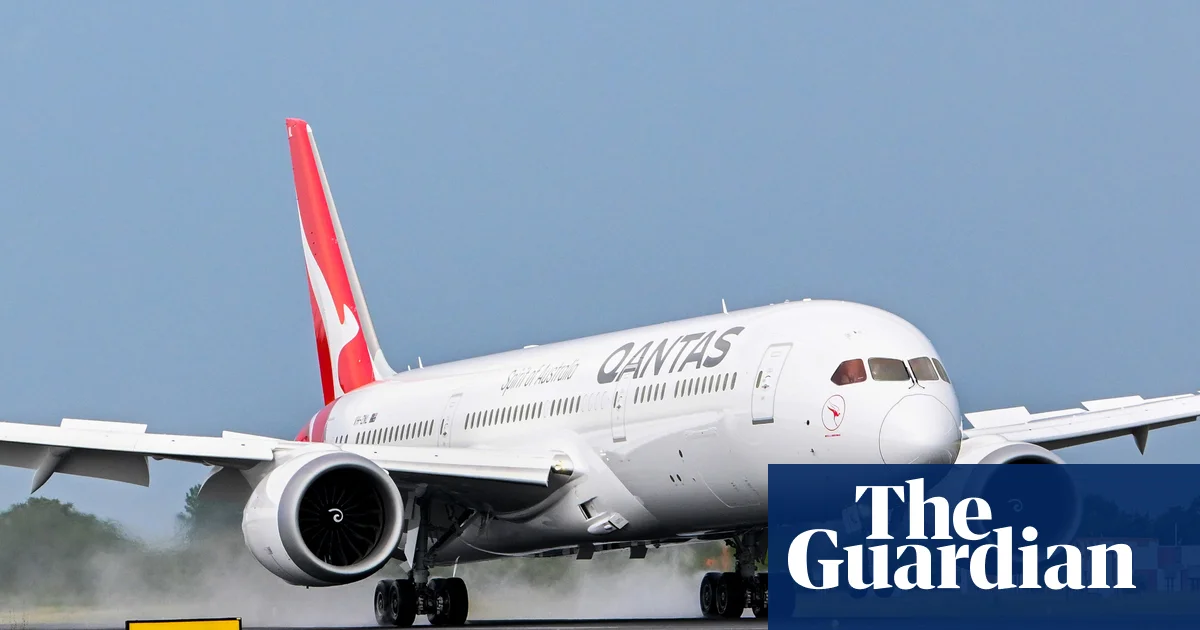
Qantas has been forced to ground a plane in Rome after bedbugs were discovered on the aircraft on its way from Perth. This was reported by Qazaqyia.kz citing The Guardian.
The parasitic insects were found in the front of the economy section of the Boeing 787 Dreamliner as it made its way from Perth to Rome for the QF5 flight on 9 October, a source with knowledge of the incident confirmed on Tuesday.
Bedbugs are small insects that feed on the blood of some mammals, including humans, which can be hard to eradicate.
As first reported by the SMH, the aircraft had to be taken out of service for cleaning after its arrival in the Italian capital, resulting in the cancellation of the Qantas Rome to Perth service on 10 October.
A Qantas spokesperson said the flight was cancelled to allow its engineers and maintenance teams to carry out a deep clean of the aircraft after “an issue identified on a small number of economy seats”.
They said the airline wanted to “sincerely apologise” to customers for the disruption.
Affected passengers were given accommodation and rebooked on alternative flights within 48 hours of their original departure, Qantas said.
The airline said its aircraft cabins were cleaned regularly and to an extremely high standard and treated with disinfectant every 50 days as a standard precautionary cleaning measure.
Prof Michelle Power, a parasitologist at Macquarie University, said the bedbugs had “more than likely” been brought on to the plane in someone’s luggage or on a passenger’s clothes and then escaped into the cabin.
“They’re associated with travel. People may go to a hotel that’s infested and because they like dark spaces and are attracted to the smell of human clothes, they make their way into someone’s luggage.”
“They’re a flightless insect, without planes,” she said.
Power said bedbugs were not dangerous, even though their bites could be itchy and irritating, but they were very difficult to get rid of and could hide in bedsheets and crevices for a long time without needing to feed.
She said there were “two sides to bedbugs”: on the one hand, wealthier people who travelled a lot got them and subsequently moved them around, whereas people already experiencing health inequities may not be able to afford pesticides or potentially heat water to the 55C required to kill them.