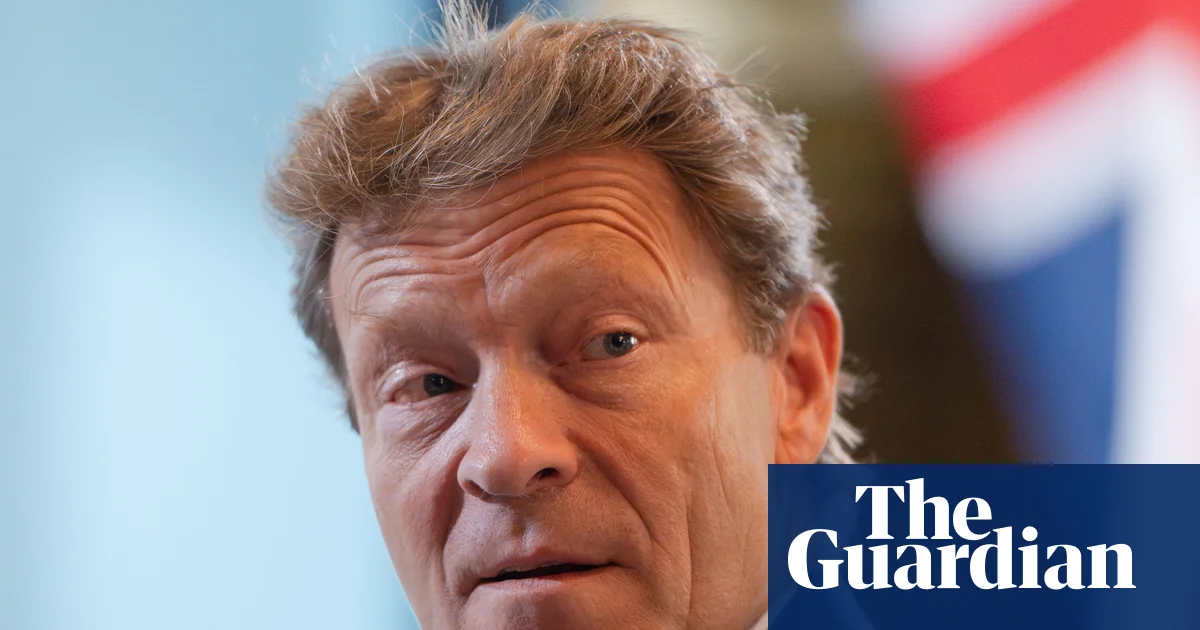
Richard Tice has been accused of using "nasty tactics" in an attempt to intimidate journalists and deflect attention from his own financial affairs after issuing a legal threat to the Guardian. This was reported by Qazaqyia.kz citing The Guardian.
In a letter sent from his lawyers, a Guardian correspondent was singled out for her reporting on a series of Tice's financial transactions that were referred to the National Crime Agency (NCA). Reform's deputy leader is now suing the NCA, claiming that the information could only have come from an officer within the agency.
In a separate letter to the Guardian, Tice's lawyers made clear they would be seeking disclosure of documents that could reveal the details of sources. John Whittingdale, a former Conservative culture secretary, condemned the move.
"The essence of a free press is that journalists can use verified information from sources without being forced to reveal who they are. This betrays a failure to understand how important that principle is to journalism," said Whittingdale.
Margaret Hodge, the peer and former Labour MP and anti-corruption campaigner, said: "It is never acceptable for individuals to seemingly abuse our laws to silence investigative journalism and close down public criticism. That's why we need to urgently reform our laws to stop rich people using their wealth to close down legitimate scrutiny."
Jemimah Steinfeld, the chief executive at the Index on Censorship, added: "This has the appearance of an attempt to force a journalist to break the golden rule: that sources must be protected. This has been vital public interest reporting by the Guardian. The sources of such journalism are sacred. If the facts are incorrect, then they can be challenged, but the sources should not be chased down. This appears to be a tactic designed to not only silence journalists but those who talk to them. It is a nasty tactic and we should all be concerned."
Theo Bamber, the chief executive at the News Media Association, said that "robust protection for journalists' sources is absolutely fundamental to ensuring that reporters can scrutinise authority and hold the powerful to account on behalf of the people impacted by their actions and decisions. The use of legal threats by an individual or organisation trying to force journalists to disclose their confidential sources is an attack on this important principle, and one that must be resisted at every turn."
Tice and Reform's leader, Nigel Farage, have been under intense scrutiny in recent months because of a continuing investigation by the Guardian into their financial affairs. The Guardian revealed in a series of detailed reports that Reform UK received a secret £1m donation via a fundraising vehicle run by Tice and a secret £5m gift made to Farage shortly before he announced he would stand in the 2024 general election.
The Guardian also revealed that these and other transactions were reported by bankers to the National Crime Agency over fears they could involve laundered money. Throughout its reports the Guardian has referred to financial industry sources.
Tice has suggested in a document filed at the high court that the Guardian's award-winning City editor, Anna Isaac, could not have had sources at multiple banks. In legal correspondence sent directly to Isaac, Tice's lawyers suggested he is seeking to unmask sources based on his own assessment of the reporter's work. Farage has also issued proceedings against the NCA.
A GNM spokesperson said: "Richard Tice's legal threat against the Guardian appears to be a calculated attempt to deflect attention away from legitimate questions about his financial affairs and the funding of Reform UK. Instead of providing answers to those questions, he seems intent on intimidating journalists and seeking to expose sources. The Guardian will oppose these attacks on the freedom of the press and will not be deterred from public interest-driven investigations into politicians and the parties they represent."
Farage previously claimed – without providing any evidence – that the details of the £5m gift must have come from Russian spies hacking his phone. The Guardian described Farage's claim as "absurd" and "an attempt to deflect attention from legitimate scrutiny of his financial affairs". The spokesperson added: "Nigel Farage is once again hiding behind a baseless attack on the media rather than facing up to scrutiny from journalists and politicians."