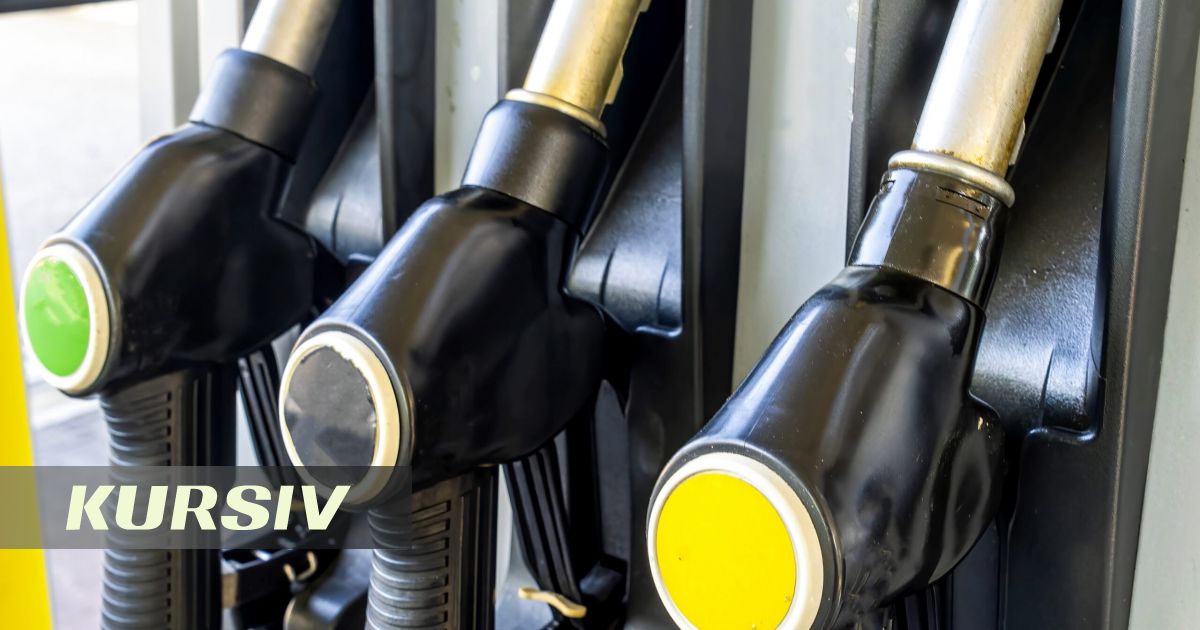
The Russian government has officially allowed the circulation of Euro-3 gasoline and diesel fuel until the end of 2026. This decree was adopted as an emergency preventive measure to combat severe fuel shortages and stabilize the domestic market. This was reported by Qazaqyia.kz citing Kursiv Media.
According to Vecherniy Telegram, the government took extreme measures to prevent fuel from running out completely at gas stations.
The difference between Euro-3 and Euro-6 standards is significant: sulfur content (10 mg/kg in E-6 vs 150 mg/kg in E-3), emissions (Euro-6 nitrogen standards for diesels are 6-8 times stricter than Euro-3) — nitrogen causes smog in cities.
For Euro-5 and Euro-6 class cars, using Euro-3 gasoline is harmful. The high content of sulfur and other impurities will quickly damage the catalytic converter, lambda probes, particulate filters, and fuel system.
Older cars (before 2003) can handle Euro-3 gasoline without problems, as their exhaust cleaning systems were originally designed for such tolerances.
Earlier, Kursiv reported that Russians began traveling to Kazakhstan for gasoline amid shortages and rising prices.
According to Russian media, more than 40 regions have introduced refueling limits, queues have formed at gas stations in dozens of cities, and some stations have completely closed.
Now residents of border regions prefer to drive to Kazakhstan, where fuel is still available without restrictions and is significantly cheaper.
Kazakh experts have also started talking about "fuel tourism." They note that if the flow of Russian motorists continues to grow, it could increase the load on gas stations in border regions.
At the same time, the Ministry of Energy previously stated that there is no shortage of gasoline and diesel fuel in Kazakhstan. According to the ministry, fuel reserves meet standards, and the situation on the domestic market remains stable.