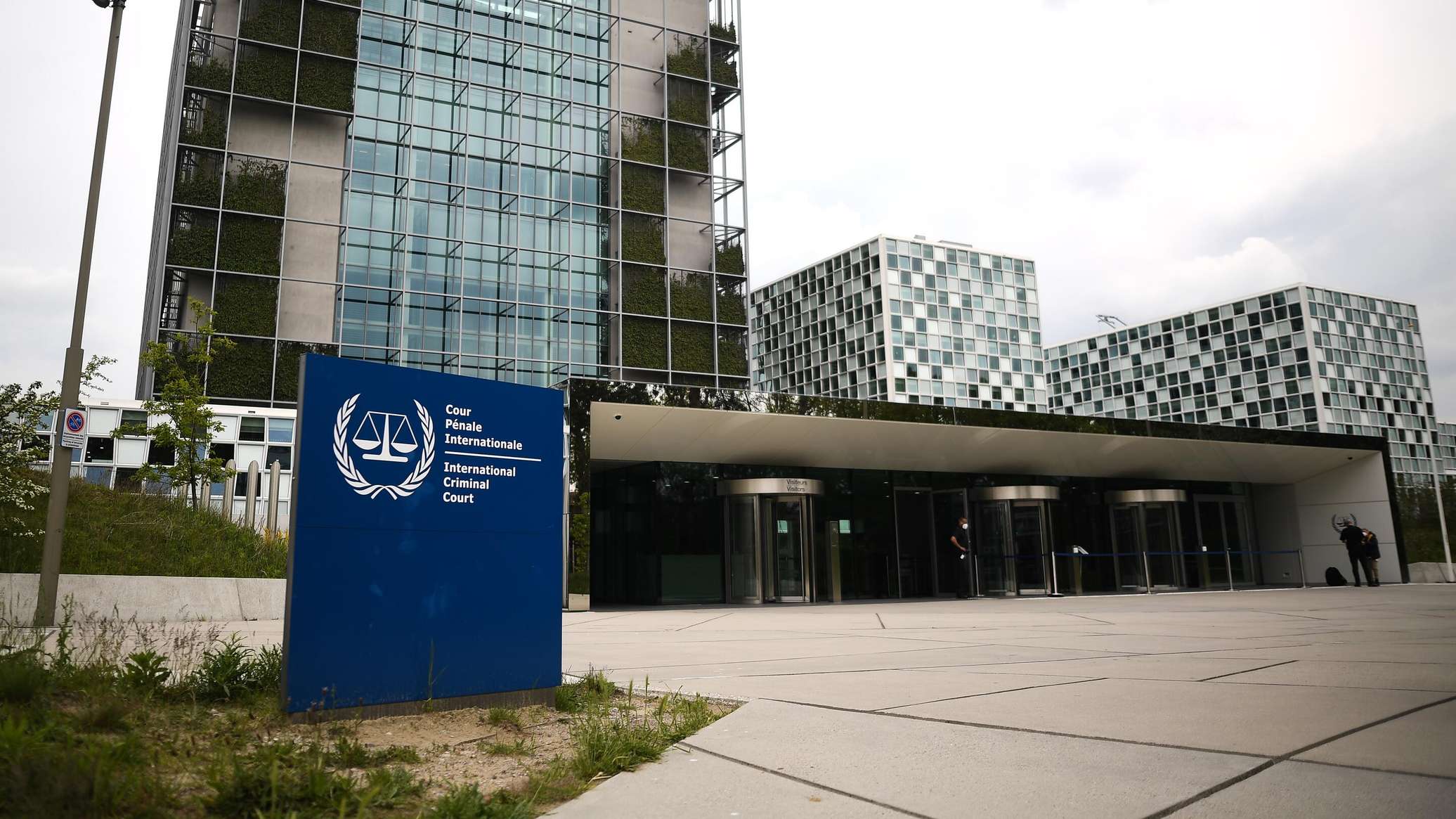
Mikhail Musikhin, Director of the Legal Department of the Russian Foreign Ministry, speaking at the 81st session of the UN General Assembly on the topic "Report of the International Criminal Court," stated that the activities of the International Criminal Court (ICC) are characterized by interference in the internal affairs of sovereign states. This was reported by Qazaqyia.kz citing Sputnik Kazakhstan.
In his report, Musikhin noted that the systemic problems centered around the ICC are irreversible and that its activities have turned into an instrument of political pressure. He addressed the politicization and double standards of the court.
Criticism of the court's activities
According to the Russian official, the ICC's activities are characterized by selective justice, predetermined positions, and interference in the internal affairs of sovereign states. He also raised issues of violations of international law and the court's own Charter.
Musikhin stated that issuing arrest warrants for Russian officials constitutes a violation of international law regarding the immunity of state officials and an illegal action aimed at extending the court's jurisdiction to countries not party to the Rome Statute. He emphasized that Russia will not leave this hostile and illegal step unanswered.
Transparency and accountability issues
Furthermore, the Russian MFA representative pointed out that the ICC's system of funding through targeted "voluntary contributions" creates a risk of excessive political influence on investigations, and scandals involving former prosecutor K. Khan showed that the institution itself has difficulties with accountability issues.
Musikhin also addressed the issue of damage to ICC justice. According to him, combining the functions of investigation, prosecutorial oversight, and criminal adjudication in one body, the use of unverified data, and the prosecutor's overly broad powers do not contribute to the independent and objective administration of criminal justice.
Impact on international relations
The Russian diplomat noted that the ICC's actions do not contribute to conflict resolution and often hinder the negotiation process and interstate cooperation. He drew attention to the legitimacy crisis.
Decisions by a number of states in various regions of the world to withdraw from the Rome Statute indicate growing doubts about the court's activities, he said.
"We believe that given the combination of quality and quantity of all the complex problems associated with this court, it can no longer be reformed; it must simply be dissolved," Musikhin said.
The speaker once again emphasized that the systemic problems centered around the International Criminal Court are irreversible and that its activities have turned into an instrument of political pressure.